
Last updated November 4, 2026
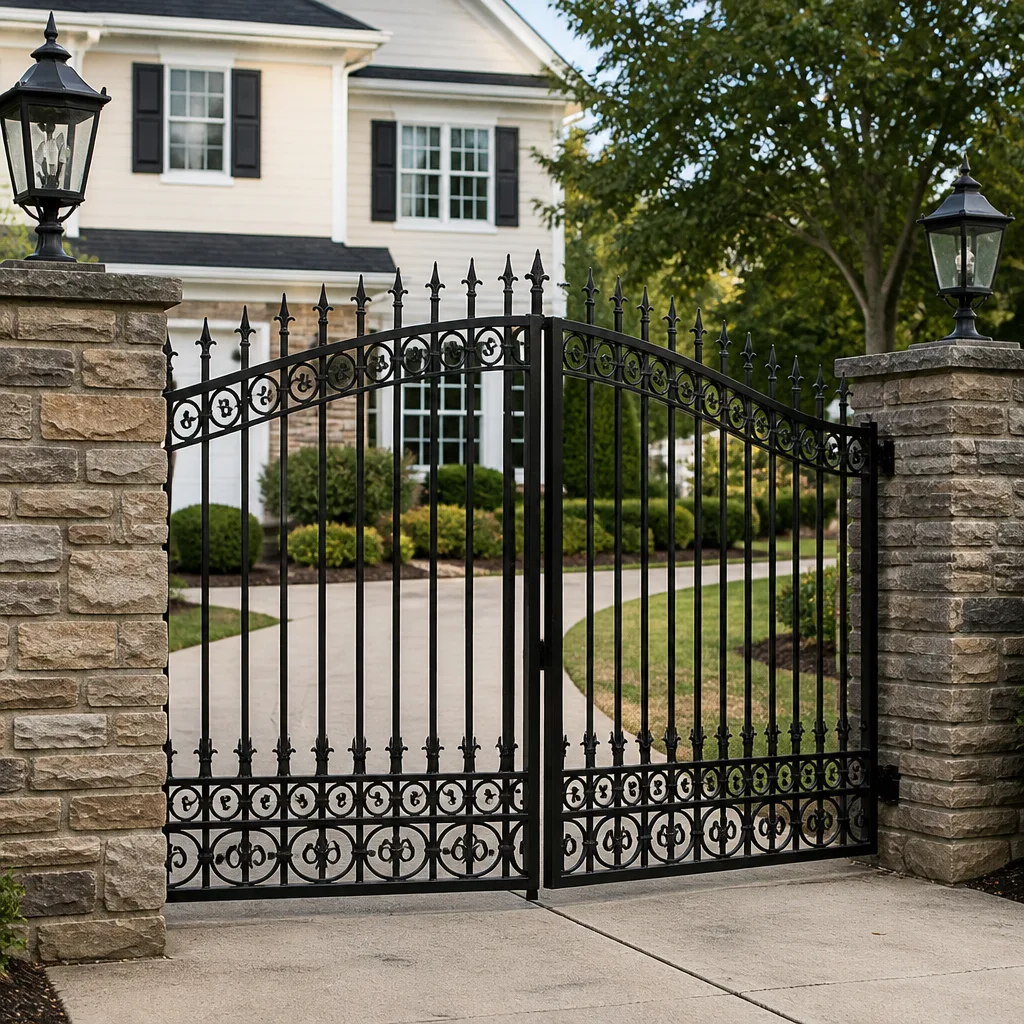 Wrought iron
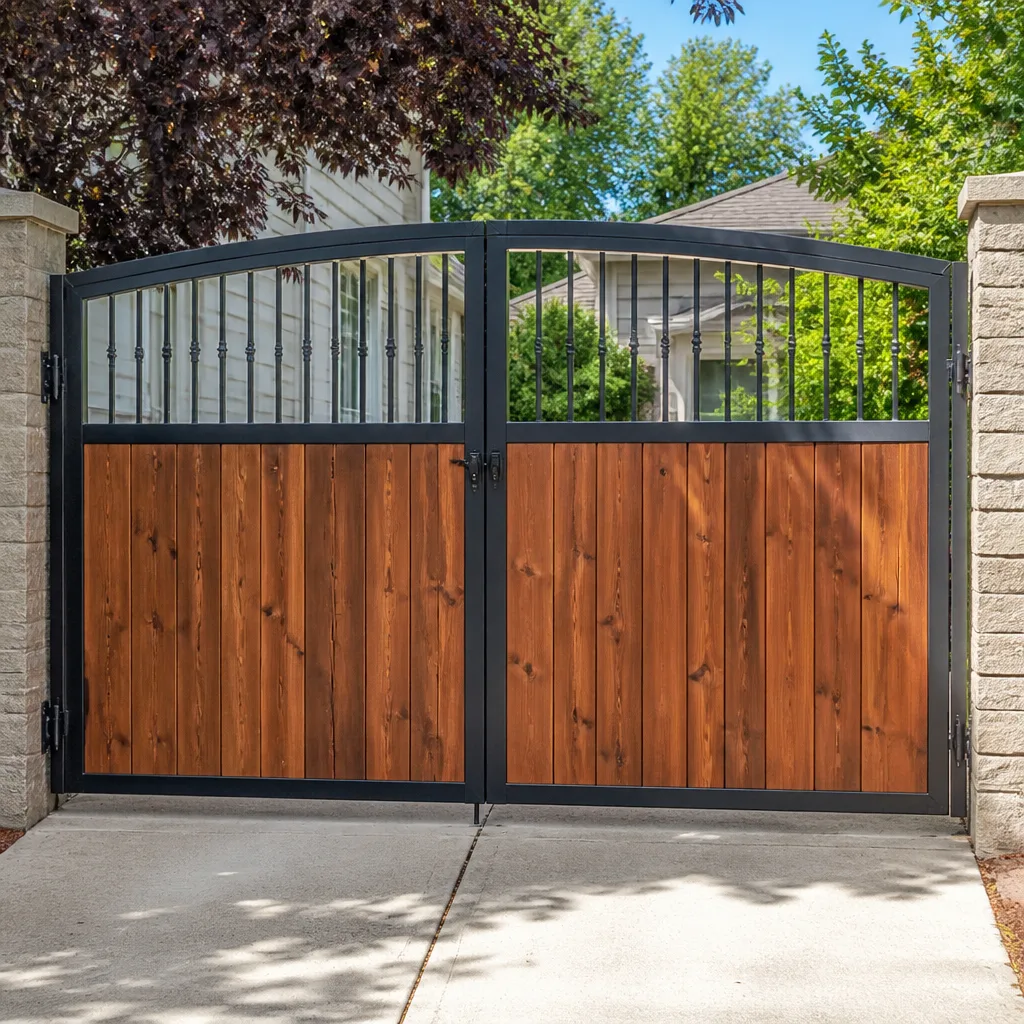 Wood & steel frame
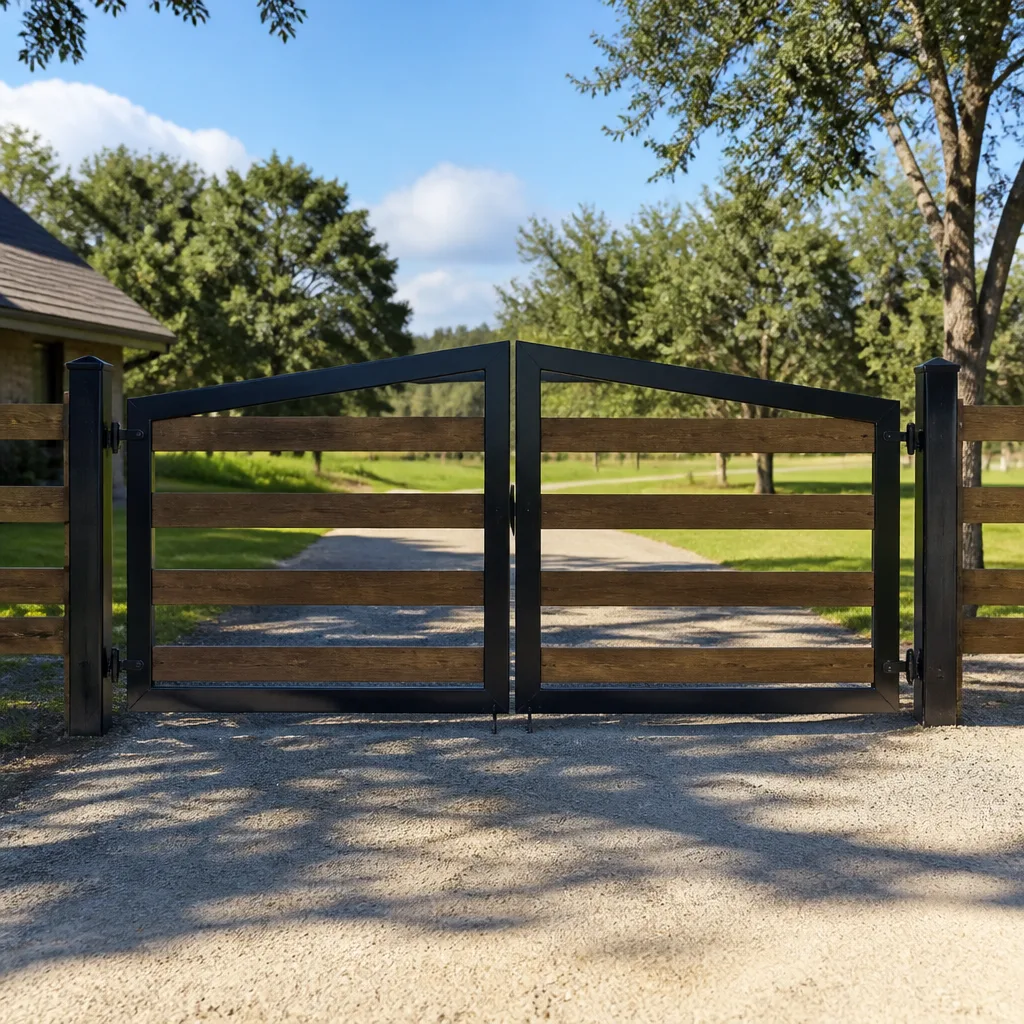 Farm & ranch
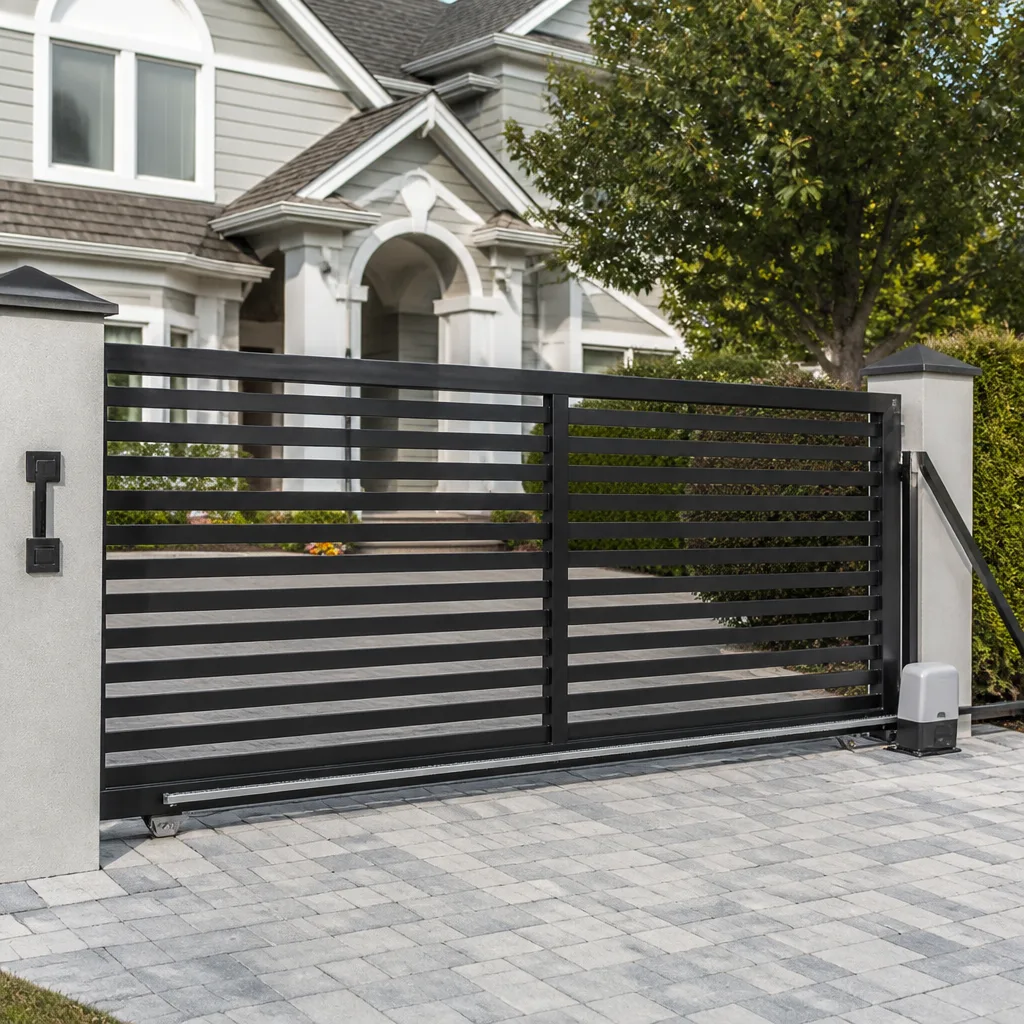 Sliding driveway gates
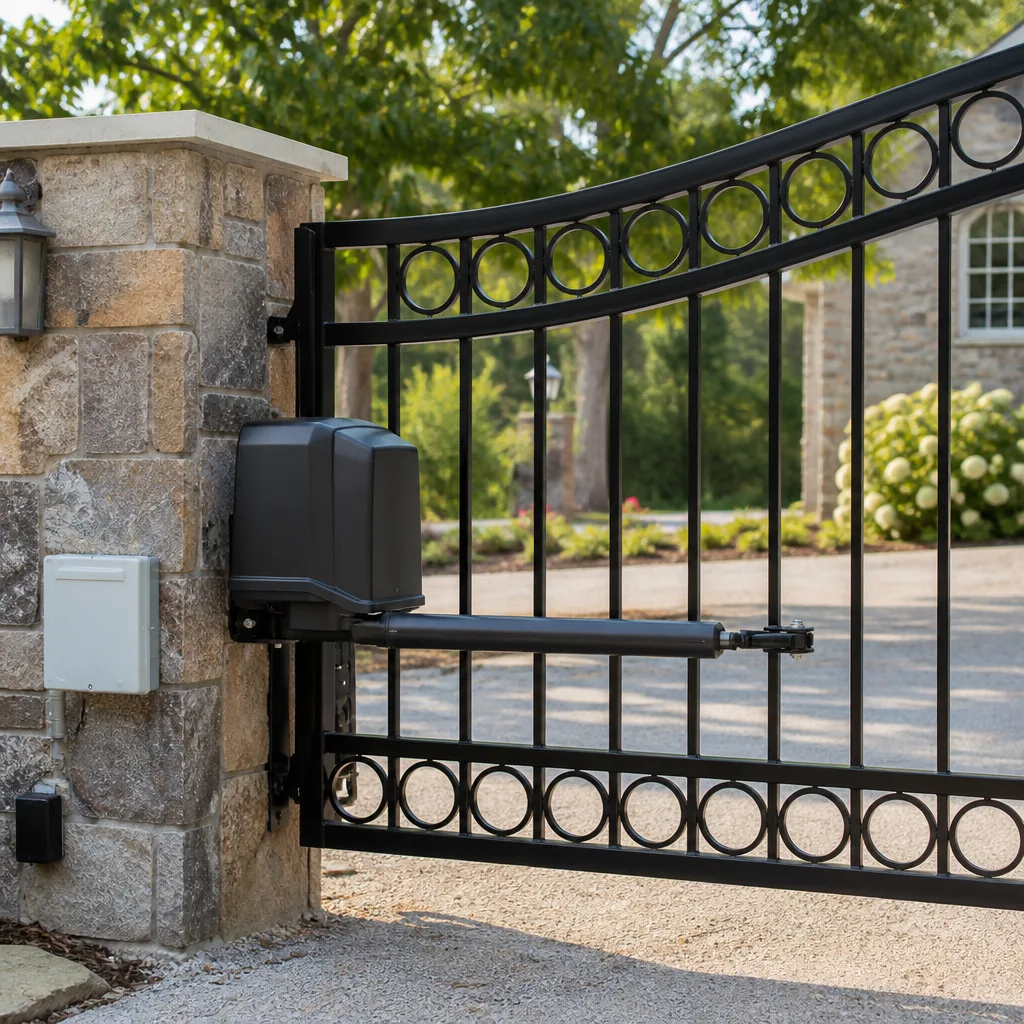 LiftMaster operators
Free on-site gate assessment - hinges, posts, and your LiftMaster or Nice gate operator checked before anything is quoted
The assessment is free and the quote is the invoice.
Get your free estimateGate Repair Maintenance Schedule: What to Do and When
Most gate failures we see in Yorba Linda aren’t caused by a single dramatic event. They’re caused by a slow accumulation of small neglects: a hinge that went dry eight months ago, a V-track that filled with decomposed granite, a battery that cooked through one too many 100-degree afternoons. This guide gives you a concrete maintenance schedule built around your gate type, your operator brand, and the specific conditions of this valley climate. You’ll learn what to inspect monthly, what to lubricate quarterly, what to test before fire season winds arrive, and when a maintenance visit costs less than the repair that’s coming if you skip it.
Styles & brands we work with
- Wrought iron
- Wood & steel frame
- Farm & ranch
- Sliding driveway gates
- LiftMaster operators
Quick Answer
A residential gate maintenance schedule should include a monthly visual inspection of hinges, wheels, and track; lubrication every 3-6 months depending on gate type and exposure; an auto-reverse sensor test every 60-90 days on electric gates; and a thorough seasonal adjustment before and after the Santa Ana wind months. For most Yorba Linda properties, a professional maintenance visit twice a year catches the small issues that become emergency repairs.
Table of Contents
- Why Generic Checklists Fail Gate Owners
- The Monthly Visual Inspection: 10 Minutes That Saves Real Money
- Lubrication: What to Use, What to Avoid, and When
- Seasonal Maintenance in Yorba Linda: Spring, Summer, Fall, Winter
- Electric Gate Systems: Batteries, Boards, and Safety Edges
- Maintenance by Gate Type: Swing, Slide, and Barrier Arm
- The Maintenance Log That Protects Your Warranty and Property Value
- Common Mistakes to Avoid
- When to Call a Professional
- Frequently Asked Questions
- The Bottom Line
Why Generic Checklists Fail Gate Owners
Most maintenance guides online read like they were written by someone who has never actually opened a gate control panel in Southern California. “Check for rust” makes sense in coastal humidity. It matters far less in Yorba Linda, where the real enemies are fine dust, UV exposure on plastic components, and thermal expansion that works bolts loose over time. A swing gate on a flag lot off Fairmont Boulevard accumulates different debris than a sliding gate facing the equestrian trails near the Santa Ana River. The schedule needs to know which one you have.
We work on nine gate brands, including electric gate repair systems from Ghost Controls, DoorKing, Elite, and Mighty Mule. In our experience, the owners who avoid the big repair bills are not the ones with the fanciest equipment. They’re the ones who follow a schedule that matches their actual hardware and location. A chain-drive sliding gate has different lubrication needs than a rack-and-pinion system. A hydraulic operator behaves differently in August than in January. The schedule below accounts for those differences.
The Monthly Visual Inspection: 10 Minutes That Saves Real Money
You don’t need tools for this. You need eyes and hands. Once a month, walk to the gate and spend ten minutes looking at the places where metal meets metal and metal meets ground. The goal is to catch a problem when it’s still a $15 fix, not a $600 replacement.
What You’re Checking
- Hinge hardware: Look for any gap between the hinge leaf and the gate post or frame. A gate that carries its weight unevenly will show wear at the top hinge first on a swing gate. Put a hand on the gate and push laterally. If you feel movement, a bolt is loose.
- Wheels and rollers: On sliding gates, spin each wheel by hand. Roughness or a flat spot means the bearing is failing. You should be able to rock the gate side to side no more than a fraction of an inch.
- Track bed: Slide gates in Yorba Linda tend to collect decomposed granite, leaf debris, and dust from the driest months. A V-track buried in debris forces the gate to ride on its guide rollers instead of its wheels, which wears everything faster.
- Power cable and conduit: Look for sun-cracked conduit, exposed wire, or anything that has been chewed. Rodents like the space inside conduit and they don’t care about your voltage.
- Gate frame fasteners: Bolts on gate frames back out over time due to the constant vibration of opening and closing. A five-dollar tube of thread locker applied at the right time beats a frame that separates at a weld.
Write down anything you find in a simple log. Date, what you saw, what you did. This record matters when you’re making a warranty claim or selling the house, which we’ll cover later in this guide.
Lubrication: What to Use, What to Avoid, and When
Here’s the single most expensive maintenance error we see in Yorba Linda: someone grabs a can of WD-40 and sprays the rack-and-pinion drive on their sliding gate. WD-40 is a water displacer and a light penetrant. It is not a lubricant for loaded metal surfaces. It strips away whatever grease was there and leaves essentially nothing behind. Within weeks, the rack and pinion are running dry on steel teeth under load, and wear accelerates dramatically. This is exactly how a $12 tube of the wrong product becomes a $600 rack replacement.
Correct Lubricants by Component
- Rack and pinion drive: Use a heavy-duty lithium grease formulated for metal gears. Apply a thin, even coat. You want a film, not a gob that collects dirt.
- Chain drive: Use a chain lubricant designed to penetrate and cling. Apply, then wipe off the excess. A wet chain in dry Yorba Linda dust becomes a grinding paste.
- Hinge pins and bearing surfaces: A quality lithium grease or a synthetic PTFE lubricant works well. The goal is to coat the pin so it doesn’t corrode or gall.
- Roller and wheel axles: Same as hinges. A light grease or heavy oil that stays put.
- Actuator arms: Most residential swing gate actuators from Ghost Controls and Mighty Mule are sealed or semi-sealed. Check the manual for your specific model. Never force lubricant into a sealed operator housing.
How Often to Lubricate
For most Yorba Linda properties, lubricate hinge pins, wheel axles, and the drive mechanism every 3 months. If your gate faces a dirt road, a construction site, or an unpaved lot where dust is constant, shift to every 2 months. If your gate is a light-use pedestrian gate with a manual chain drive, every 6 months is enough. The rule is simple: more dust, more often.
Seasonal Maintenance in Yorba Linda: Spring, Summer, Fall, Winter
Yorba Linda doesn’t have freeze-thaw cycles or salt air. What it does have is a predictable rhythm of pollen, heat, wind, and dust. A maintenance schedule that ignores those seasons is fighting the climate instead of working with it.
Spring: Pollen and Debris in the V-Track
By late March and April, everything is blooming and the wind carries a steady load of pollen, flower debris, and dry leaf matter. On sliding gates, this material collects in the V-track and packs into the corners of the guide rollers. Clean the track bed with a stiff brush, remove debris by hand or with a shop vac, and check that the drain holes in the track are clear. In Yorba Linda, many homes sit on slopes where spring runoff channels through the gate area. A track that can’t drain becomes a mud trap.
Summer: Heat and the Battery Backup
Inland temperatures regularly push past 95 degrees, and that heat does measurable things to gate components. Hydraulic fluid in commercial operators changes viscosity as temperatures climb, which can make a gate run slightly faster or slower than its calibrated speed. Battery backups degrade faster in sustained heat. A good summer task is a battery test: disconnect power to the operator and cycle the gate through an open-close. If it labors or fails, the battery is nearing end of life. Also check plastic components like photocell housings and safety edge covers for UV brittleness. Sun exposure in this valley is intense and constant.
Fall: Santa Ana Wind Stress on Swing Hinges
The strongest winds of the year arrive between October and December. A solid-panel swing gate is a large flat surface, and Santa Ana gusts turn it into a sail. The repeated pressure flexes hinge hardware and loosens mounting bolts. Before wind season, check every hinge fastener with a wrench, look for hairline cracks near weld points, and confirm that the gate closes fully without being pushed by wind tension. If your gate has a pedestrian gate leaf, inspect its latch and drop rod as well.
Winter: Cooler Temps and Slower Operation
Winters here are mild compared to almost anywhere else in the country, but mornings can be cool enough to slightly thicken grease and hydraulic fluid. A gate that runs perfectly in August may open a beat slower on a January morning. That’s usually normal. What you should watch for is a gate that doesn’t close fully or reverses without obstruction when temperatures drop. This can indicate a limit switch that’s drifting or a safety sensor that’s picking up condensation on its lens.
Electric Gate Systems: Batteries, Boards, and Safety Edges
Gate repair on electric systems starts with understanding that the operator is the most complex component you own, and the one where small failures go from annoying to dangerous fastest. A gate that reverses when it shouldn’t is a safety problem, not just an inconvenience.
Auto-Reverse Obstruction Sensor Test: Do This
- Stand clear of the gate’s path. Use a solid object like a traffic cone or a 2×4 standing upright, not your body or your hand.
- Place the object in the gate’s path while the gate is open.
- Cycle the gate closed using the normal control. The gate should detect the object and reverse before or immediately upon contact.
- Repeat on both the open and close cycles if your operator supports both. The critical test for most safety-setups is the close cycle.
- If the gate does not reverse cleanly, stop using the automatic function and call a technician. A failing safety circuit under UL 325 is not something to defer.
On commercial and multi-unit properties, UL 325 compliance means the obstruction detection system is a mandatory safety requirement, not an optional feature. Test it every 60 days at minimum. For residential systems, the same test applies and the same logic holds: if it fails, fix it now.
Battery Backup Maintenance
Most modern operators from DoorKing and Elite include a battery backup that keeps the gate functional during a power outage. These are typically sealed lead-acid or lithium batteries with a lifespan that shortens in sustained heat. Test yours twice a year by cutting power at the breaker and cycling the gate. If it fails to open and close fully, the battery is done. Note that a battery backup is a temporary solution: it’s designed to let you operate the gate for a limited number of cycles, not run the system indefinitely.
Control Board Failure Warning Signs
Before a control board dies outright, it usually gives you signals. The gate opens but doesn’t close. The gate closes but the automatic close timer doesn’t engage. The gate responds intermittently to remotes but always responds to the push-button. Any of these is worth a call before the board fails completely and leaves the gate stuck in whatever position it chooses.
Maintenance by Gate Type: Swing, Slide, and Barrier Arm
Different gate types fail in different ways, and the maintenance schedule should reflect that. What works for a wrought iron swing gate on a residential driveway in Yorba Linda is not what a property manager needs for a barrier arm at a condo entry off Bastanchury Road.
Swing Gates
Swing gates concentrate their wear on hinges, actuator mounts, and the latch/post junction. A swing gate that drifts after closing has either a worn hinge or an actuator that’s lost its holding torque. Check all hinge fasteners monthly during wind season. Check actuator mounting brackets for hairline cracks quarterly. Keep hinge pins lubricated on the 3-month schedule.
Sliding Gates
Sliding gates concentrate their wear on the track, wheels, and drive mechanism. The single best thing you can do is keep the track clean and visually inspect the drive every month. On rack-and-pinion systems, look for uneven tooth wear. On chain drives, look for slack in the chain. A chain that slaps on startup is a chain that’s stretching.
Barrier Arms
Barrier arms are mechanically simpler but electronically similar to other operators. The arm itself can crack at stress points after repeated impacts from vehicles, and the counterbalance spring loses tension over time. Check the arm for cracks monthly and test the auto-reverse function on the same 60-90 day schedule as other electric gates.
The Maintenance Log That Protects Your Warranty and Property Value
Here’s what we tell every customer who asks about warranties: a gate company can tell the difference between a component that failed despite proper maintenance and one that failed because of neglect. Your maintenance log is the difference between making that case compellingly and arguing without evidence. The same log matters when a home inspector or a buyer’s agent looks at the gate during a Yorba Linda property sale.
What a Useful Maintenance Log Contains
- Date and time of every maintenance action or inspection.
- What you did: lubricated hinge pins, cleaned V-track, tested auto-reverse, replaced battery.
- What you observed: slight hinge noise, track debris accumulation, battery failed first test.
- Product used: lithium grease, specific chain lubricant, replacement battery model.
- Parts replaced: brand, model, date, and where you bought them.
- Technician name if a professional did the work, along with the company name.
For warranty claims, manufacturers of operators like Ghost Controls and Mighty Mule typically require proof that the product was installed and maintained according to specification. A log that shows consistent 3-month lubrication and 60-day safety tests is that proof. When you’re selling a property, a clean maintenance log tells the buyer’s inspector that the gate is an asset, not a negotiation point.
Common Mistakes to Avoid
- Using WD-40 on the rack and pinion drive. It strips grease and leaves bare metal. Use a lithium grease formulated for gears. This one mistake shortens rack life dramatically.
- Ignoring a gate that’s slightly slower than it used to be. A gradual speed change is almost always a component wearing, not the weather. Find it before it becomes a failure.
- Testing the auto-reverse sensor by hand. The first time that sensor fails, your hand pays for it. Use a cone or a board. The legal requirement for commercial gates under UL 325 is there because people have been hurt.
- Power-washing the operator housing. Control boards and high-pressure water don’t mix. A damp cloth handles surface dust; water getting into the board is a fast way to kill it.
- Lubricating a sealed actuator. Many residential actuators are sealed and don’t need external lubrication. Adding grease just collects dust and can interfere with the arm’s movement.
- Deferring battery replacement because “the power doesn’t go out often.” A dead battery in an operator with a battery backup means the gate fails exactly when you need it, and you won’t know until then.
- Running a slide gate with debris packed in the V-track. This forces the gate to ride on guide rollers instead of wheels, which destroys rollers fast. Clean the track monthly during Santa Ana season.
When to Call a Professional
A lot of maintenance is doable by a homeowner with basic tools. Some things are not. If you hear metal-on-metal grinding that doesn’t improve after lubrication, if the gate reverses without obstruction, if the operator makes a humming sound but doesn’t move, or if you see exposed wiring anywhere near the gate, call a technician. These are the situations where continued operation makes the repair larger and sometimes creates a safety hazard. A gate that slams shut because a hinge let go can hurt someone.
We’re a gate-only shop in Yorba Linda. We work on all three service pillars: repair, electric repair, and new gate installation. We carry parts and knowledge for Ghost Controls, DoorKing, Elite, and Mighty Mule, along with the commercial-grade brands on our full list. If you’re in Yorba Linda or the neighboring area, Gate Repair Yorba Linda offers free estimates. Call (855) 382-4716. We answer 24/7. Fast dispatch from 7am to 7pm, Sunday through Friday.
Frequently Asked Questions
Lubricate hinge pins, wheel axles, and the drive mechanism every 3 months as a baseline. If your gate faces an unpaved lot, a dirt trail, or a busy road in Yorba Linda where dust is constant, shift to every 2 months. Lighter-use pedestrian gates can go 6 months between lubrication. The deciding factor is dust accumulation on the lubricated surfaces.
The monthly visual inspection of hinges, wheels, track, and fasteners is the highest-value task. Catching a loose hinge bolt or a wheel bearing that’s starting to fail while it’s still a small repair is the entire point of a maintenance schedule. Ten minutes a month prevents most of the emergency calls we see.
Place a solid object like a traffic cone in the gate’s path and cycle the gate closed using the normal control. The gate should reverse before or immediately upon contact. Test it every 60 to 90 days and never use your hand. If the gate fails this test, stop using the automatic function and call for service.
Sustained summer heat in Yorba Linda does shorten battery backup lifespan and can age plastic housings on photocells and safety edges. Hydraulic fluid viscosity also changes with temperature, which can cause slight speed changes. Test battery backups twice a year and look for UV brittleness on plastic components during summer inspections.
Before wind season, check every hinge fastener and actuator mounting bolt with a wrench, look for hairline cracks near weld points, and confirm the gate closes fully. A solid-panel swing gate in Yorba Linda acts like a sail in strong wind, and the repeated flexing loosens hardware that needs to stay tight.
Monthly inspections, track cleaning, lubrication, and safety sensor tests are all homeowner-doable with basic tools and this guide. Call a technician for electrical issues, reversing problems, metal-on-metal grinding that persists after lubrication, or any exposed wiring. Gate Repair Yorba Linda offers free estimates in Yorba Linda. Call (855) 382-4716.
The Bottom Line
A gate maintenance schedule built for your gate type and this climate will save you real money over the life of the gate. Inspect monthly, lubricate quarterly using the right grease for the component, test safety sensors every 60 to 90 days, and do a seasonal pass before and after Santa Ana season. Keep a dated log of what you do and what you find. For anything electrical, structural, or safety-related, call a gate specialist who knows your brand. The maintenance you do now is exactly what keeps a Yorba Linda gate running reliably for years instead of failing on the day you need it most.
Written by the team at Gate Repair Yorba Linda, serving Yorba Linda since 2011.
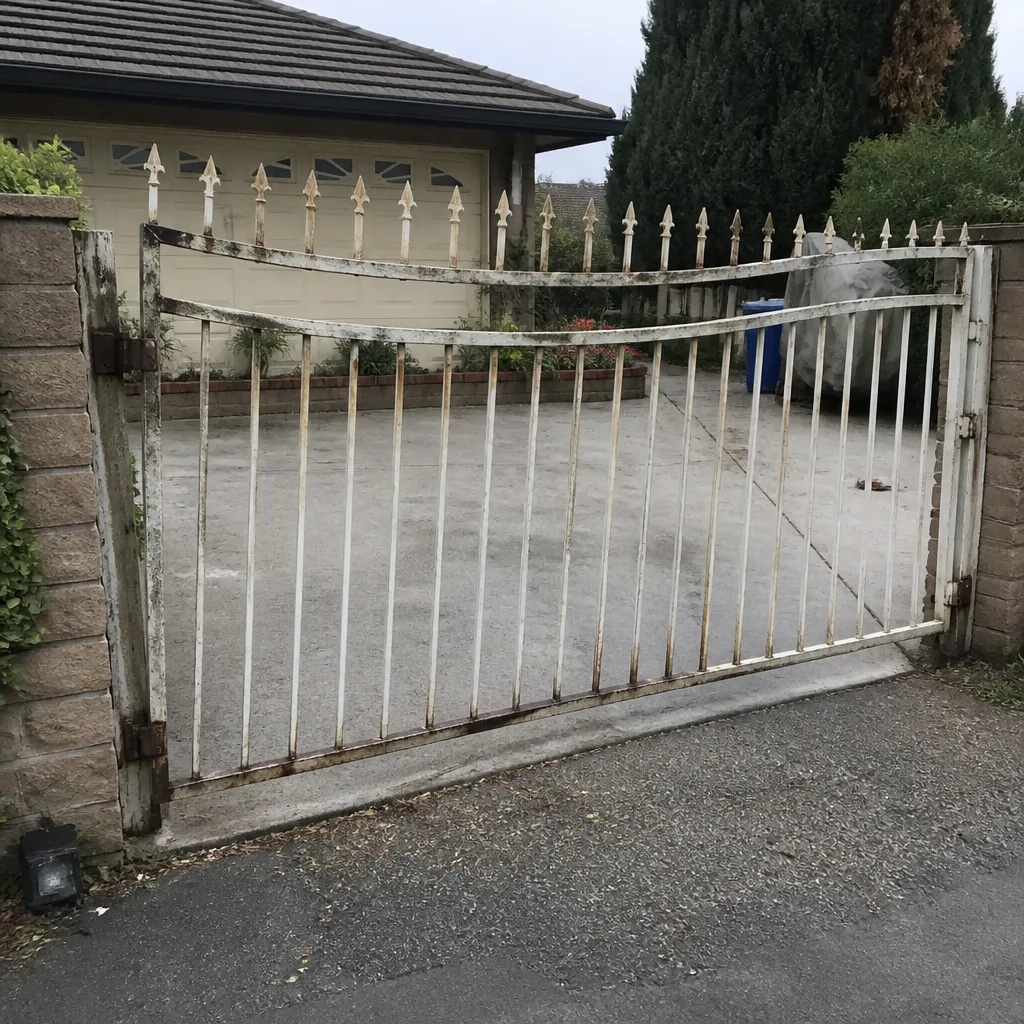
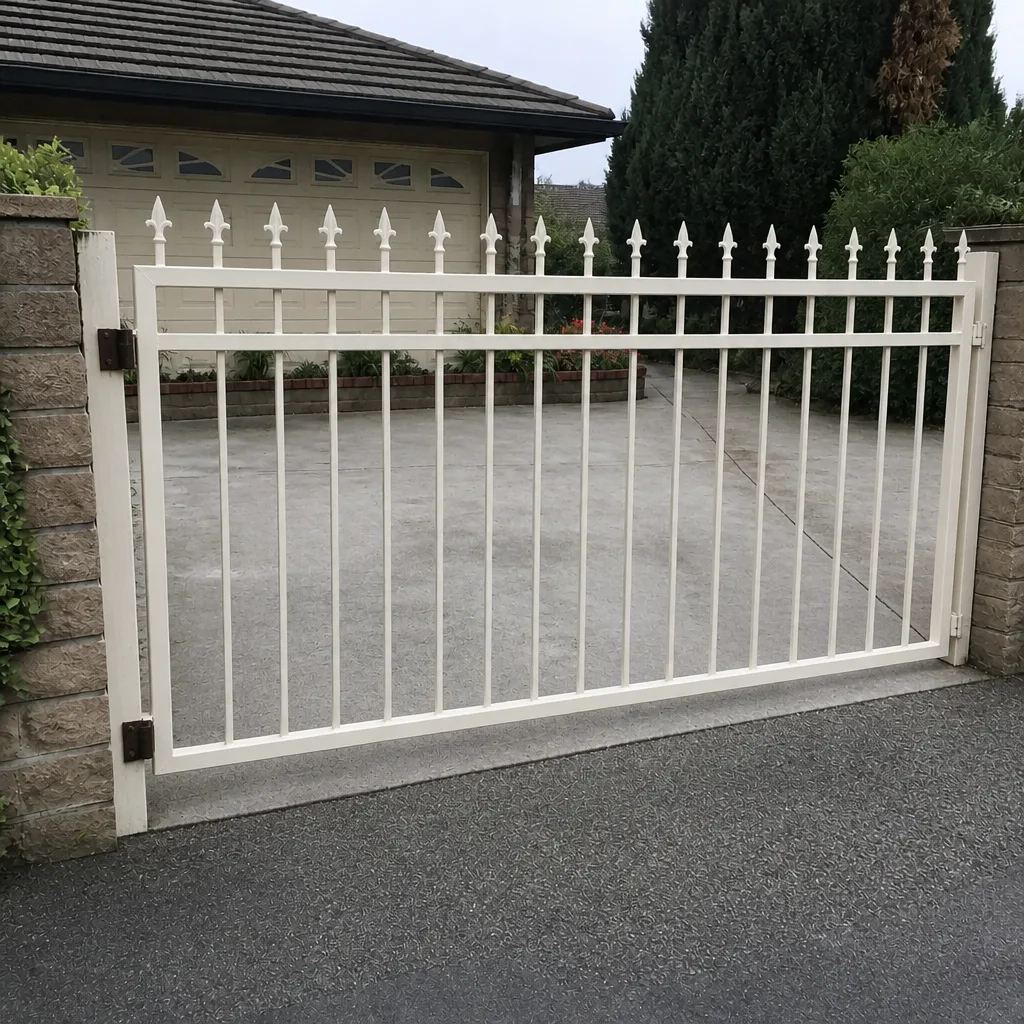
See the difference
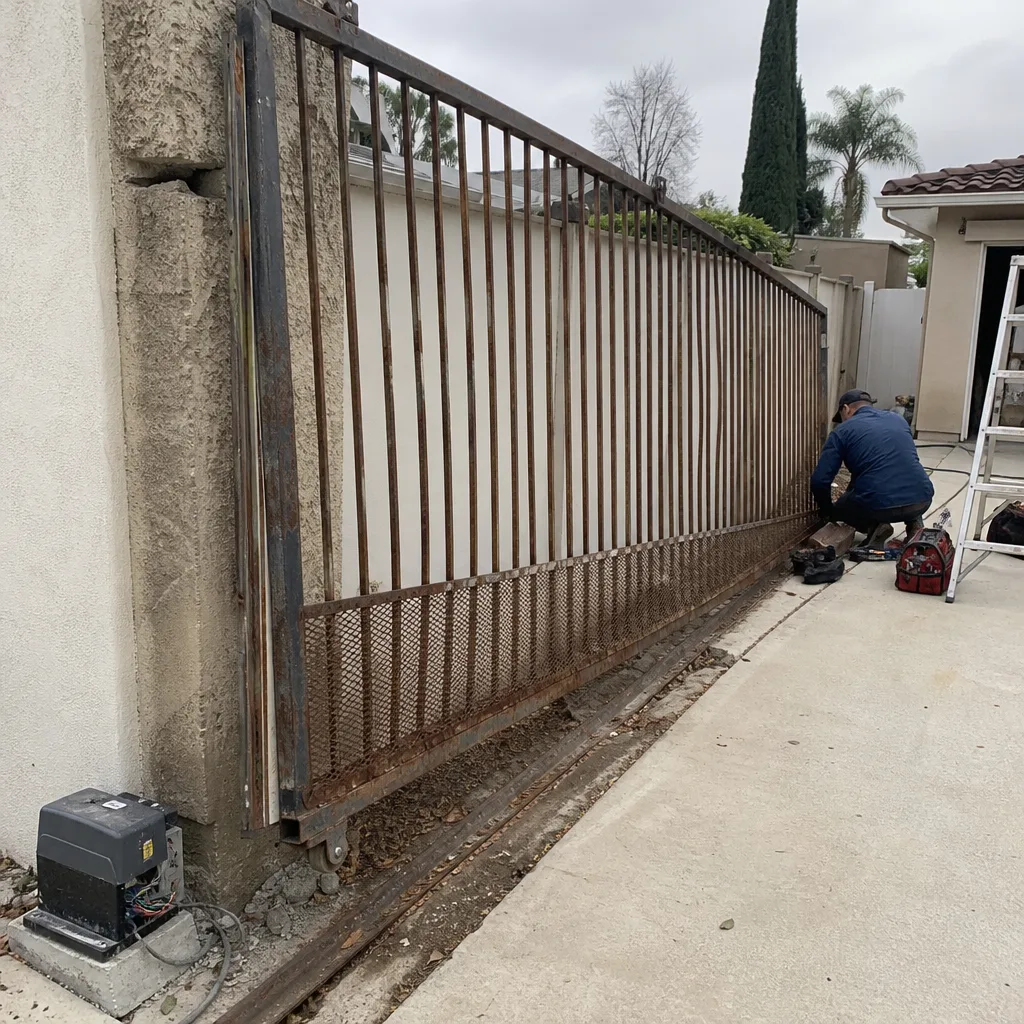 Before
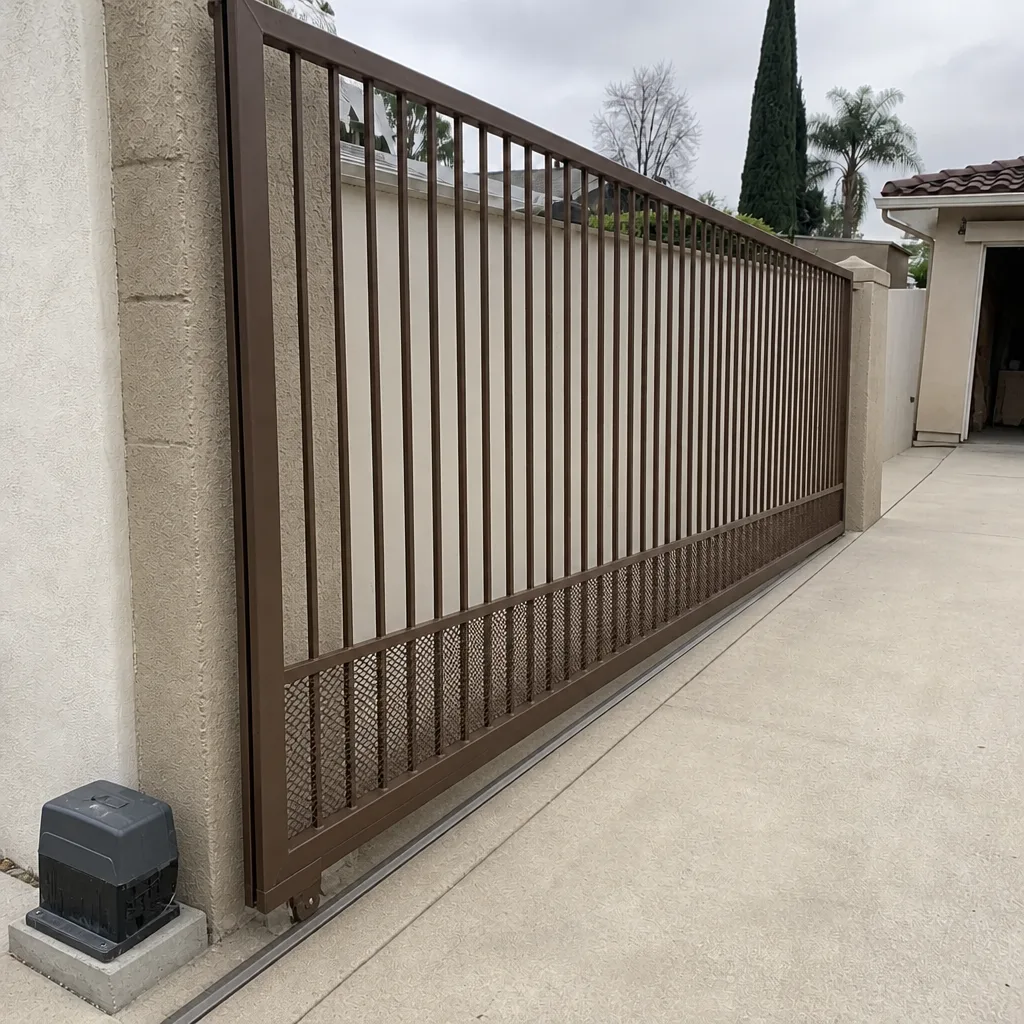 After
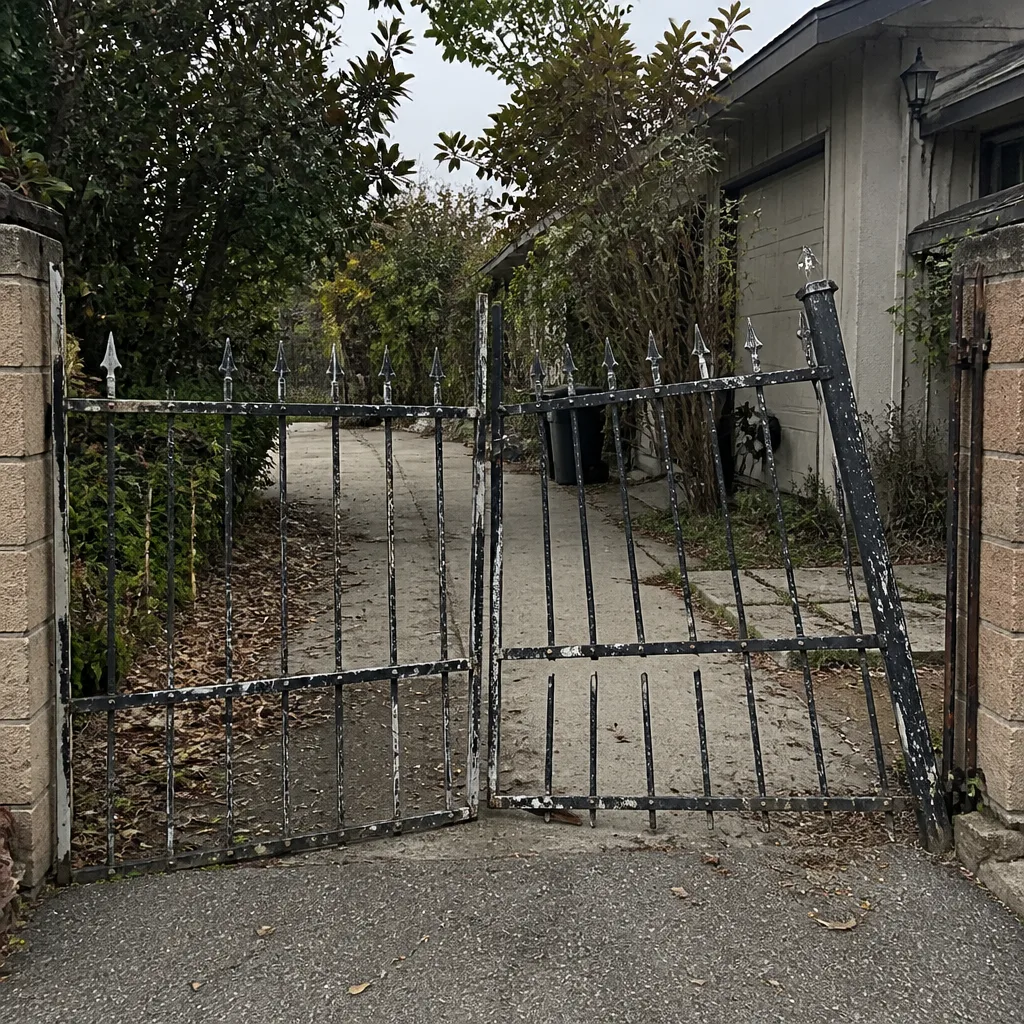 Before
 After
 Before
 After