
Last updated November 4, 2026
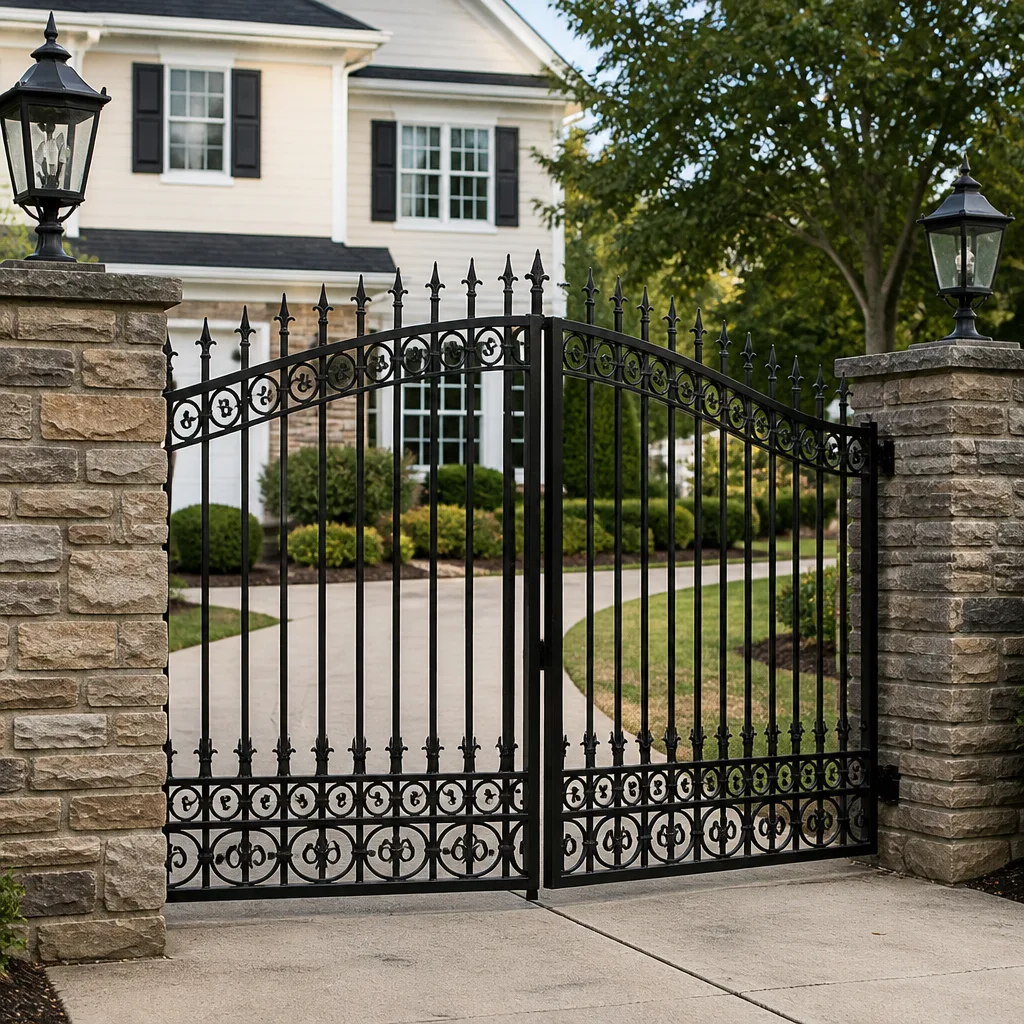 Wrought iron
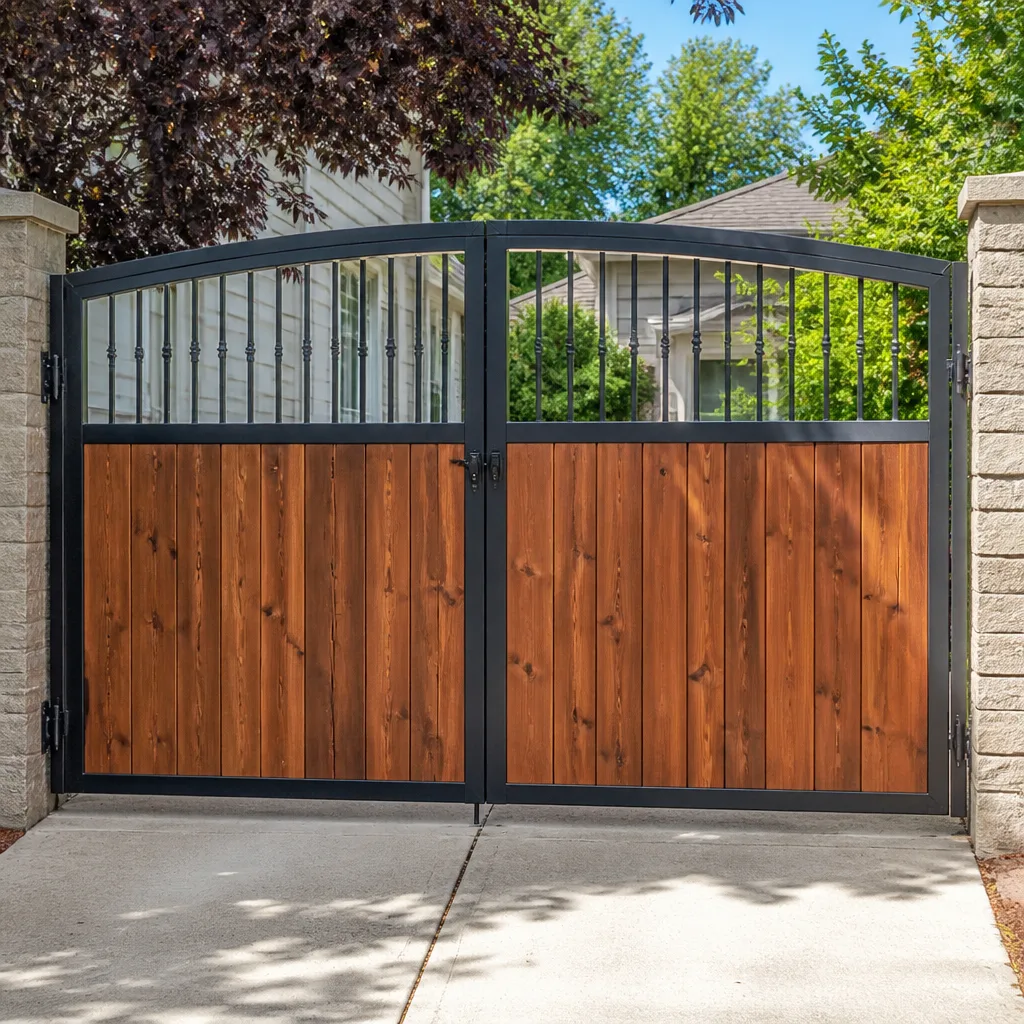 Wood & steel frame
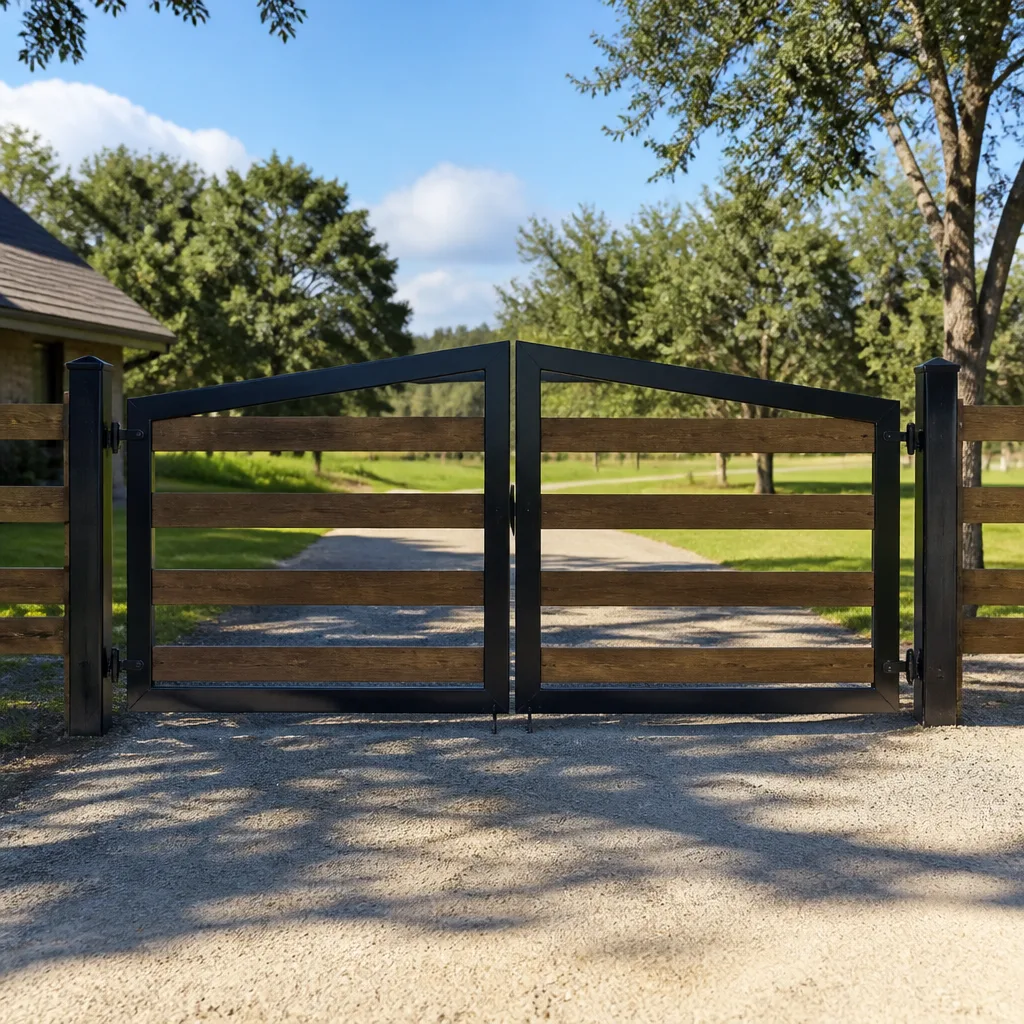 Farm & ranch
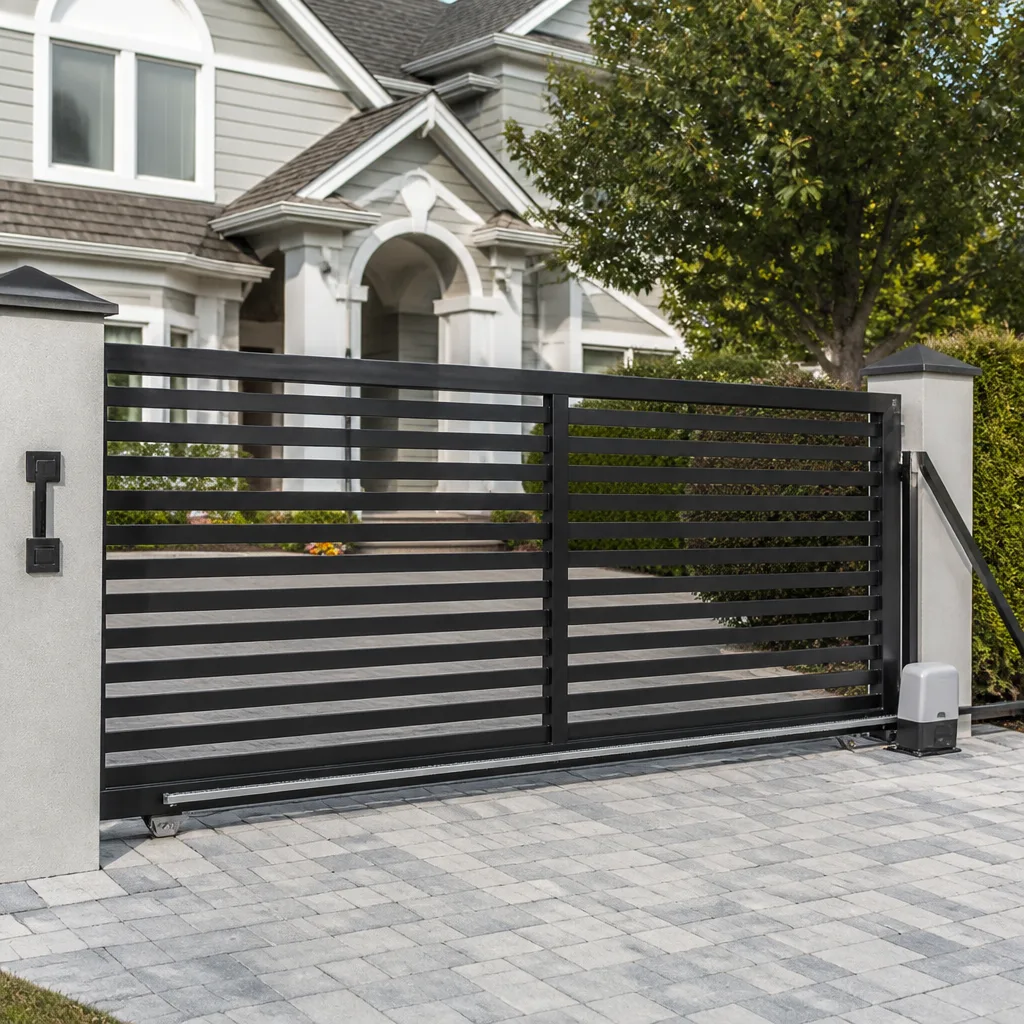 Sliding driveway gates
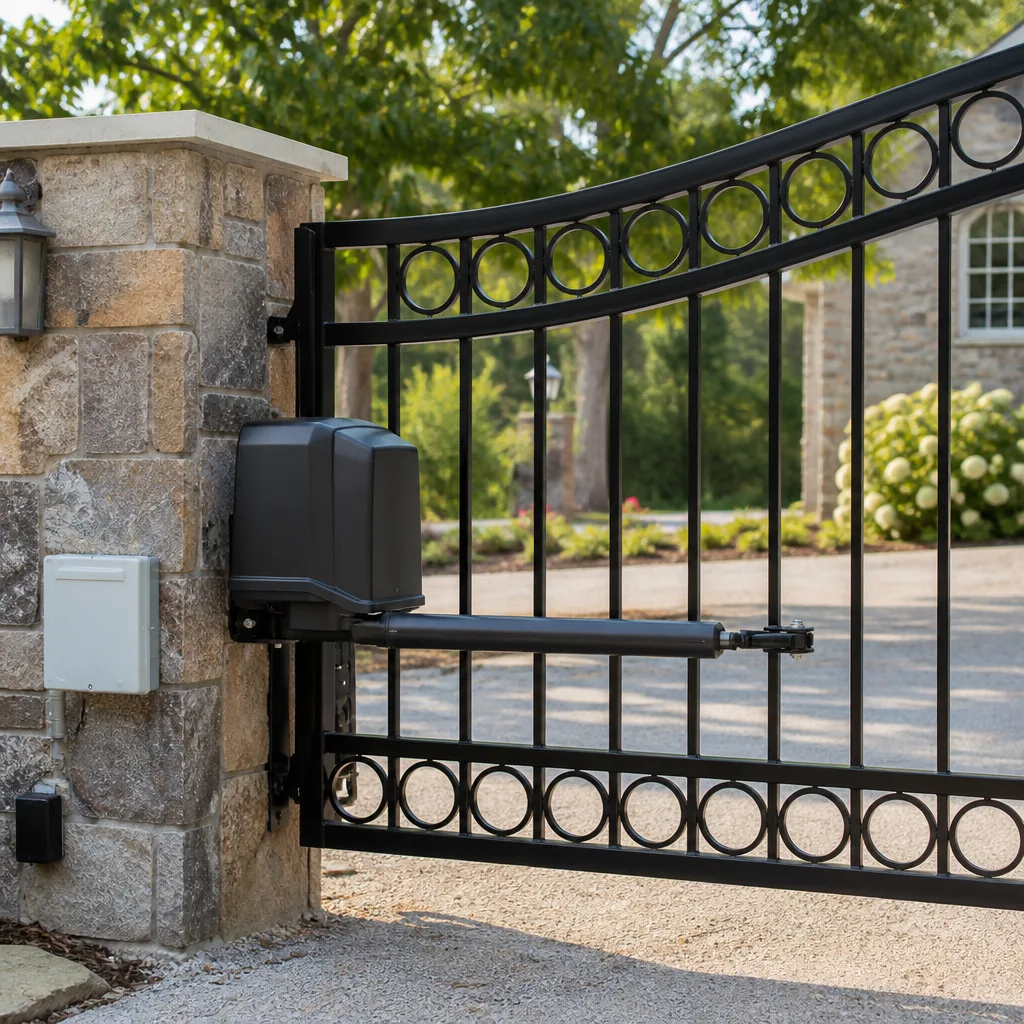 LiftMaster operators
Free on-site gate assessment - hinges, posts, and your LiftMaster or Nice gate operator checked before anything is quoted
The assessment is free and the quote is the invoice.
Get your free estimateGate Repair Warning Signs: A Yorba Linda Homeowner’s Reference Guide
A gate that hesitates for two seconds before moving isn’t just slow. It’s telling you the operator is working harder than it should, which is one of the clearest early indicators of a mechanical binding problem or a failing capacitor. Most gate failures in Yorba Linda don’t happen without warning. They announce themselves through specific sounds, behaviors, and response-time changes that carry direct diagnostic meaning if you know what to listen for. This guide decodes those signals so you can report them accurately to a technician and catch small problems before they turn into a gate that won’t open at all, or worse, one that closes on a vehicle because a safety sensor stopped working. We’ll walk through what your gate is trying to tell you.
Styles & brands we work with
- Wrought iron
- Wood & steel frame
- Farm & ranch
- Sliding driveway gates
- LiftMaster operators
Quick Answer
The most common gate repair warning signs in Yorba Linda are grinding or squealing during travel, a gate that hesitates or moves slower than it used to, a remote that works only at close range, and a gate that reverses direction without being prompted. Any of these means a component is wearing out or binding. Catching them early usually means replacing a small part like a hinge or sensor; ignoring them often leads to a full operator or track failure.
Table of Contents
- Audio Signals: What Your Gate’s Sounds Actually Mean
- Behavioral Warning Signs in Automatic Gates
- Visual Inspection: What Rust, Cracks, and Sagging Actually Mean
- Access Control Warning Signs That Mimic Gate Hardware Problems
- A Failing Gate Versus a Gate That Has Already Failed
- What Yorba Linda’s Climate and Soil Mean for Gate Wear
- Common Mistakes to Avoid
- When to Call a Professional
- Frequently Asked Questions
- The Bottom Line
Audio Signals: What Your Gate’s Sounds Actually Mean
Gates make noise. A quiet hum from the operator while the gate moves is normal. But specific sounds are not just annoying, they are diagnostic. They tell a trained ear which component is failing and how urgent the repair is. Here’s what we listen for when a Yorba Linda homeowner describes a noise over the phone.
A grinding or metallic scraping sound usually points to the gate’s mechanical path: a hinge that has lost its bearing surface, a wheel that is chewing itself against the track, or a slide gate roller that has flattened out. The sound happens because metal is rubbing against metal without the cushioning of a bushing or wheel tread. Left alone, this friction generates heat and wear that can seize a hinge or carve a groove into the track. That’s what turns a routine gate repair into a much bigger job.
Clicking that is rapid and rhythmic, especially when the gate is not moving, is commonly the operator’s motor trying to engage a gear or sprocket that won’t turn. On chain-drive slide gates, a worn sprocket or stretched chain can slip and produce a clicking that sounds almost like a ratchet. On swing gates, a failing capacitor can cause the operator to click repeatedly without generating enough torque to start the arm moving.
A humming without movement is one of the most misread sounds in electric gate repair. The motor is energized and trying to work, but something in the drive train is bound, or the start capacitor has failed and can’t give the motor the kick it needs. A gate that hums and sits still is not “thinking about it.” It is working against a physical restriction or an electrical failure, and leaving it that way can burn out the motor entirely. If you hear this, stop pushing the remote button. Each attempt is another load cycle on a motor that isn’t moving.
A high-pitched squeal, particularly on a belt-drive or screw-drive operator, is often a belt tension issue or a dry lead screw. In Yorba Linda’s dry climate, lubricant on exposed screws and chains can break down or collect fine dust, and that dust acts like a mild abrasive. A squeal that comes and goes with temperature is classic belt slippage.
We work on Linear, Viking, Ghost Controls, and DoorKing systems regularly, and the sound signatures vary by brand. A DoorKing slide operator has a different idle tone than a Ghost Controls swing arm. That’s why a brand-specific ear matters. We diagnose what the sound means, not just what part to throw at it.
Audio Signal Reference
- Grinding or scraping: Hinge, wheel, or roller wear; metal-on-metal contact.
- Rapid clicking, no movement: Worn gear, stretched chain, or slipped sprocket.
- Humming without movement: Failed start capacitor or mechanical binding.
- High-pitched squeal: Belt tension or dry lead screw.
- Intermittent grinding during travel only: Flat spot on a roller or a bent track section.
Behavioral Warning Signs in Automatic Gates
Sounds are one channel of information. The way a gate moves is another, and it often tells you more. An automatic gate should travel at a consistent speed from fully open to fully closed, every time. When that changes, the gate is telling you something specific.
Inconsistent travel speed is one of the earliest warning signs of a gate that is starting to bind. If the gate moves fine for twenty feet and then slows down for the last five, the mechanical load increases at that point in the cycle. That’s almost always a track issue on a slide gate or a hinge issue on a swing gate. A slide gate that slows at the same spot every cycle has a wheel hitting a dip, a kink, or a debris build-up in that section of track. In Yorba Linda, the same wind that combs through the Santa Ana corridor can blow leaves, twigs, and fine grit into exposed track channels, and we see tracks that are mechanically fine but obstructed by organic material.
Stopping mid-cycle is a different thing. If the gate stops and the operator does not reverse, that is often the operator’s obstacle detection or thermal safety circuit doing its job because the motor is drawing more current than it should. The operator does not know why the load is high; it just knows to stop. That means the gate was already working harder than designed, and the stop is a symptom, not a random glitch. We’ve seen operators that stop mid-cycle for weeks before a hinge finally seizes completely.
Reversing without an obstruction is something else. Safety reversing mechanisms on automatic gates are designed to protect people and vehicles. When a gate reverses with nothing in its path, a sensor is misaligned, a photo eye lens is dirty, or an inductive loop detector is picking up a false signal. It is a safety system behaving erratically, and that is a different urgency than a mechanical bind. A gate that reverses on its own can close on something because the reversal signal is now untrustworthy. This is a repair to schedule quickly, not something to live with.
Remote range reduction gets blamed on battery life more often than it should. Yes, a dying remote battery shortens range. But if a fresh battery restores the range, the remote is fine, and if it doesn’t, the problem is usually the receiver antenna or interference. Antennas on gate operators sit outside in the Yorba Linda sun year after year, and the coaxial connection can corrode, or the antenna can get knocked out of position by a gardener’s trimmer or a delivery truck. If one remote works at full range and another doesn’t, the remote is the issue. If every remote in the household loses range at the same time, the problem is at the operator.
One behavioral sign that commonly gets missed is a gate that drifts after it parks. A slide gate should stay put when the operator stops it. If it creeps a few inches after closing, the operator’s brake is wearing or the gate is not level and is pulling itself downhill. A gate that has drifted an inch or two out of its safety stop is not closed, and that changes the whole security picture of the property.
Visual Inspection: What Rust, Cracks, and Sagging Actually Mean
You don’t need tools to do a useful visual inspection of a gate. You need to know what you’re looking at and what it means structurally. Most homeowners see surface rust and think “cosmetic.” A technician sees rust streaking in a specific location and thinks “water is pooling inside a joint and migrating out.” Same sign, very different conclusion.
Here is a step-by-step visual inspection you can do in about ten minutes. This is not a repair guide; it’s a reporting checklist. You’re collecting observations to describe accurately over the phone, which saves a diagnostic visit from turning into a second visit for a part that could have been ordered the first time.
- Look at the hinge side of a swing gate first. The lower hinge carries most of the weight. Rust streaking downward from the hinge barrel means water has gotten inside and is wicking out through the bearing. That hinge is wearing from the inside.
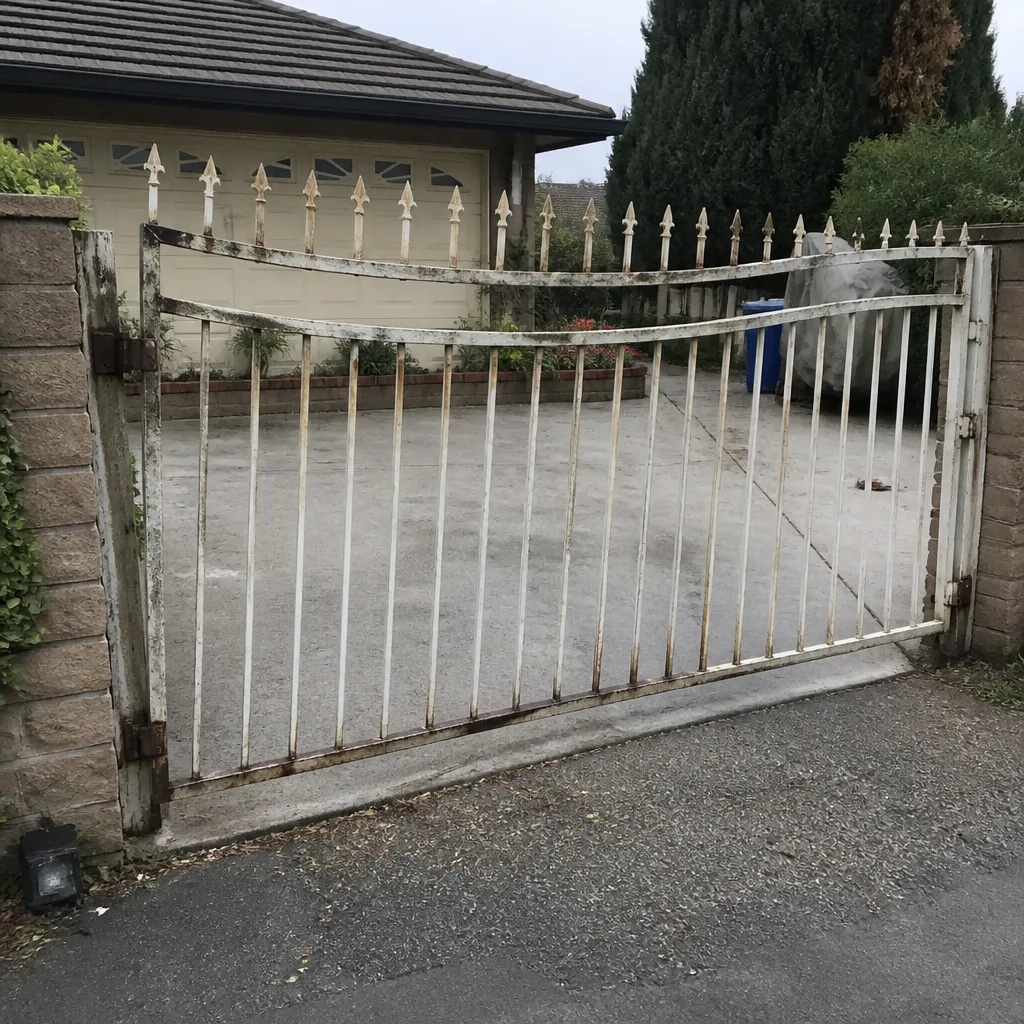
- Run your eyes along the top rail, then the bottom rail. You’re looking for a change in the line. A gate that sags will show a subtle curvature, even a quarter-inch, where the frame has begun to deform. The gap between gate and fence post will be wider at the bottom than the top.
- Look at every weld joint, especially where the hinge plate meets the frame. Paint cracking at a weld is most often a sign the weld is flexing. Paint is brittle; steel flexes. When the paint cracks in a hairline pattern around a weld, the metal underneath is moving more than it should.
- Check the wheels or rollers on a slide gate. Worn rollers have flat spots you can see if you roll the gate by hand with the operator disengaged. Flat spots make a rhythmic bumping sound during travel. They also force the gate to ride lower in some sections, which can make it scrape the track cover.
- Look at the ground clearance. A gate that has lost an inch of clearance on one side but not the other is not evenly supported. On a level Yorba Linda driveway, uneven clearance almost always means a wheel, hinge, or frame issue, not the ground.
Visible sag at hinges is the one visual sign that should stop you from using the gate until it’s addressed. A swing gate that sags is suspended at an angle, which means the operator is lifting a load it wasn’t designed for on every cycle. It also means the latching mechanism is out of alignment, which affects security. The gate may look like it’s closed, but a misaligned latch can pop open with moderate pressure.
In dry inland climates like Yorba Linda’s, rust is less aggressive than on the coast, but it still happens wherever water sits against steel. Sprinkler overspray, rain on uncoated welds, and condensation inside tubing all create the same chemical reaction. When you see rust on a gate, ask where the water came from, not how bad the rust looks. Rust at a flat surface is a coating failure. Rust at a joint is a water trap.
Access Control Warning Signs That Mimic Gate Hardware Problems
When a gate won’t open, the gate itself is not always the problem. A lot of “gate repair” calls in Yorba Linda are actually access control issues. The gate is mechanically fine and the operator is fine, but the device telling the operator to move has failed. Knowing the difference saves you from replacing a good operator.
A keypad that works intermittently is usually a keypad issue, not a gate issue. Keypads live outside in direct sun, and the membrane buttons degrade. Over time, the conductive layer under the buttons breaks down, and certain numbers become harder to trigger. A homeowner types the code, nothing happens, types it again harder, and maybe it works. The gate did not fail. The input device failed. The fix is usually a new keypad, not an operator repair.
One remote working while others don’t is a strong signal that points to the remote itself. Remotes get dropped, sat on, left in hot cars, and run through washing machines. If three remotes work and one doesn’t, the problem is not the receiver on the operator. If you have a Linear or Viking system, replacement remotes are widely available and straightforward to program. We carry knowledge and parts for Ghost Controls and DoorKing as well, which covers most of the residential and light-commercial systems around Yorba Linda.
Loop detectors that stop sensing vehicles produce a very specific failure pattern. A vehicle pulls up to the exit gate and nothing happens. The driver sits there. Then maybe they pull forward and back, and the gate finally opens. The loop detector is a wire embedded in the pavement that senses the metal mass of a vehicle. When that loop breaks or the detector module drifts out of calibration, it becomes unreliable. The gate operator is working exactly as it is told; it is just not being told that a car is present. This is an electrical repair at the point of the loop, not a mechanical repair at the gate.
Photo eyes that are dirty or misaligned cause the gate to refuse to close or to reverse during closing. A photo eye that has been nudged by a trash bin, or a lens that has picked up a film of dust from a dry spell, will produce a false obstruction signal. Cleaning the lens and checking the alignment is a five-minute fix and the kind of thing gate repair technicians check before assuming the operator board is at fault.
The point is that a gate system is several separate components, and they fail at different rates. The operator motor might last a long time, while the keypad is a wear item that will need replacing more often. When you describe the symptom accurately, “one remote works, two don’t” or “the gate opens on exit but not on entry”, you’ve already done half the diagnosis.
A Failing Gate Versus a Gate That Has Already Failed
There’s a distinction that matters for safety. A gate that is failing is still doing its job, but doing it more slowly, more loudly, or more reluctantly each week. A gate that has already failed is operating in a degraded state where a safety mechanism is compromised, and that’s a different situation entirely.
Think about a gate with a misaligned photo eye. The gate still opens and closes. The homeowner may have noticed it reverses sometimes for no reason. The gate is “working.” But the reversing safety is now unreliable. A gate that closes when it shouldn’t is not a gate that has failed to be convenient; it’s a gate that has failed to be safe. The difference between a nuisance and a hazard is whether the failing component is cosmetic, like a rust spot on a non-structural rail, or functional in the safety path, like an obstacle sensor.
A hinge that squeals is failing. The gate still swings. It’s annoying, and the fix is inexpensive. A hinge that has worn enough to drop the gate two inches is no longer failing; it has failed in its job of carrying the load safely. The gate is now wearing the operator, the latch, and the second hinge unevenly, and every cycle does a little more damage. It’s also now possible for the gate to bind mid-travel and present a pinch hazard where the gate meets the post.
A Gate Repair Yorba Linda technician’s job is to catch gates while they’re still in the failing stage. That’s why we ask about sounds and response times, not just whether the gate opens. Small parts are inexpensive compared to a new operator. Waiting until a gate stops moving entirely often means the difference between replacing a hinge and replacing a motor that burned itself out working against that hinge for six months.
What Yorba Linda’s Climate and Soil Mean for Gate Wear
Yorba Linda is inland, with hot dry summers and mild winters. That shapes how gates wear here in specific ways that a coastal city like Huntington Beach doesn’t see, and that a mountain town doesn’t see.
Dry heat and direct sun exposure are hard on plastics and electronics. Keypads, remote housings, photo eye lenses, and rubber seals all degrade faster in sustained heat. A gate that faces south or west in Yorba Linda gets hours of afternoon sun, and the operator’s internal temperature can climb well above ambient air temperature. Capacitors are particularly heat-sensitive, and a capacitor that is already aging will fail sooner in direct sun than one shaded by a tree or a wall. This is why we see hum-without-movement failures more often on exposed gates.
Rain is infrequent but can be intense for short periods. Flash downpours during the winter months run water through gate posts, along the top rail, and into any opening that isn’t sealed. In a dry climate, people tend to think of water damage as less of a concern. But water that gets into a hinge or a post and has no way to drain sits there, and the rust cell starts. The next rain washes it in again. Over a few years, the inside of a hinge can be far more damaged than the outside appearance suggests.
Soil movement in the Yorba Linda area is generally modest, but clay-rich soils can shrink and swell with moisture changes. A gate post set in clay can shift slightly between the dry season and the wet season. That shift can misalign a gate just enough to make the latch stiff or change the clearance at the top of the frame. It’s one reason a gate that worked perfectly in August might suddenly seem “off” after a week of rain.
Wind and dust are real factors too. Santa Ana winds move through the canyons east of Yorba Linda and carry fine dust that settles on exposed operator gears, chains, and lead screws. That dust mixes with existing lubricant and forms a paste that accelerates wear. A chain that gets a dust-and-grease buildup runs rough and can jump teeth on the sprocket. The fix is routine cleaning and re-lubrication, which is included in a Yorba Linda gate repair service visit when mechanical wear is present.
Common Mistakes to Avoid
- Lubricating without cleaning first. Spraying new lubricant over a dust-and-grease mixture turns it into grinding paste. The right sequence is clean first, then lubricate. On a slide gate track, wiping the track clean matters more than oiling it.
- Ignoring a new sound because the gate still works. A sound is the earliest diagnostic signal. Every month a hinge squeals, it wears a little more, and the load on the operator goes up. The cheapest repair is the one done before the part fails.
- Replacing the remote when the range was never the problem. A remote that works at close range but not from the street could be a receiver issue or antenna damage. New remote, same problem, wasted money. Test with a fresh battery first, and if every remote behaves the same way, suspect the receiver side.
- Pushing the button repeatedly when a gate hums without moving. Each attempt sends another high-current start cycle into a motor that can’t turn. You can burn out a capacitor or overheat a motor winding in a few tries. Stop and call a technician.
- Treating a reversing gate as a quirk. A gate that reverses with no obstruction is a safety system giving false readings. Maybe it’s a dirty photo eye, maybe it’s a failing loop detector. Either way, the safety logic is not trustworthy until it’s fixed.
- Waiting for a full failure. The most expensive gate repairs we do in Yorba Linda are the ones where a homeowner lived with a warning sign for six or nine months. What would have been a hinge replacement becomes an operator replacement, a track repair, and a latch realignment.
- DIY electrical work on operators. Electric gate operators run on line voltage and carry enough current to cause serious injury. If the problem is the board, the capacitor, or the motor, call someone who does electric gate repair every day. Checking a photo eye or a keypad battery is fine; opening a cabinet and probing wires is not a homeowner task.
When to Call a Professional
Some things are worth a closer look on your own: a remote battery, a keypad code, a photo eye lens, a track with a branch in it. But certain signs mean a trained technician should look at the gate. If your gate is humming without moving, if it reverses with no obstruction, if it sags visibly at the hinge, or if it stops mid-cycle, stop using it and book a service visit. Those are not intermittent quirks; they are component failures in progress. A grinding or squealing sound that persists after cleaning is also a call, because you’ve already eliminated the simplest cause. Gate Repair Yorba Linda offers free estimates in Yorba Linda. Call (855) 382-4716 and describe the sound or the behavior you’re seeing. We answer 24/7. Fast dispatch from 7am to 7pm, Sunday through Friday. The price is quoted and agreed before any work starts, so you’ll know the cost before a technician turns a wrench.
Frequently Asked Questions
Gate repair in Yorba Linda typically costs $150 to $450 for common fixes like hinge replacement, photo eye alignment, or keypad repair. Operator repairs, like a new capacitor or control board, generally run $300 to $900 depending on the brand and whether parts are on hand. Replacing an entire operator or a badly worn track can go higher, and we give you a written estimate before any work starts so there are no surprises. Call (855) 382-4716 for an exact quote. Estimates are free.
In most cases, yes. We answer 24/7 and fast dispatch from 7am to 7pm, Sunday through Friday. Common repairs like a misaligned sensor, a new keypad, or a hinge replacement are often completed in one visit. A call outside dispatch hours is booked into the next opening. Call (855) 382-4716 and describe what the gate is doing; the more specific the description, the more likely the technician arrives with the right part on the first trip.
A new gate installation includes a free on-site measure, a written quote based on the gate type and size, post setting to proper footing depth, frame and panel installation, and hardware mounting. If the gate is automated, the installation also includes the operator, safety sensors, and the wiring run. The exact scope is spelled out in the estimate before work begins.
Yes. Running power to the operator, installing photo eyes and safety edges, and wiring the access control are all part of what we do on automatic gate work. This is the part of the job that general contractors often hand off, but electric gate repair and installation involves the full electrical scope so the system works as one piece.
A gate that responds to one remote but not another almost always means the unresponsive remote itself is the problem. Start with a fresh battery, and if that doesn’t fix it, the remote likely needs replacement or reprogramming. If every remote loses range at the same time, the issue is on the receiver side of the operator. Call (855) 382-4716 and we’ll help you sort which side the problem is on.
Yes. A swing gate that sags is no longer carrying its weight through the hinges the way it was designed to, which means the load now goes into other components, including the operator and the latch. The gate can also bind mid-travel and create a pinch point at the post, and a misaligned latch can fail to hold the gate closed. If you see visible sag, stop using the gate until a technician has looked at it.
The Bottom Line
Gate failures in Yorba Linda are almost never sudden. They show up as sounds, slow responses, hesitation, sagging, and intermittent access control problems that each mean something specific. Learning to read those signs means you can describe the problem accurately, catch failures before they get expensive, and in some cases prevent a safety incident before it happens. When the sound or behavior points to a mechanical or electrical issue, call a gate specialist who works on your brand. We work on Linear, Viking, Ghost Controls, and DoorKing systems daily, and we carry parts and knowledge for those and other major brands across Yorba Linda. Call (855) 382-4716 for a free estimate. We answer 24/7. Fast dispatch from 7am to 7pm, Sunday through Friday.
Written by the team at Gate Repair Yorba Linda, serving Yorba Linda since 2011.
See the difference
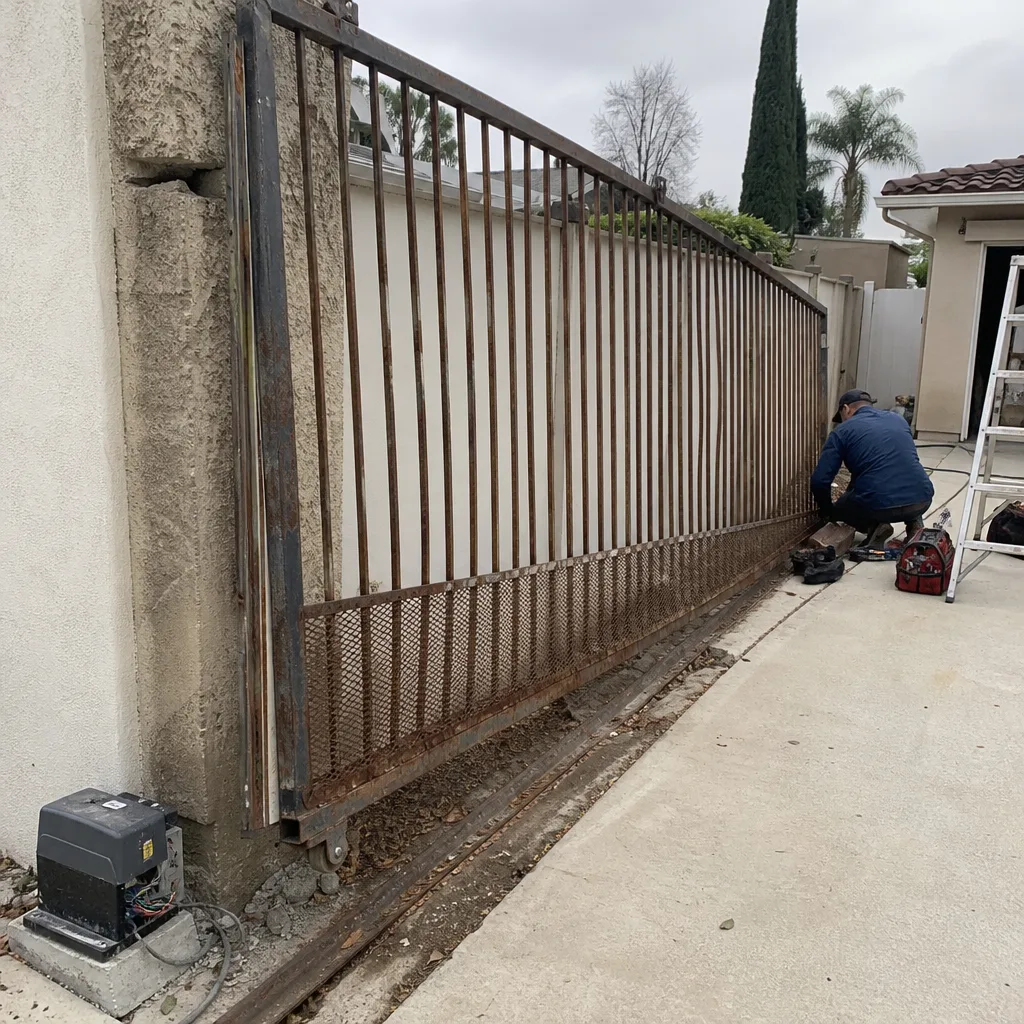 Before
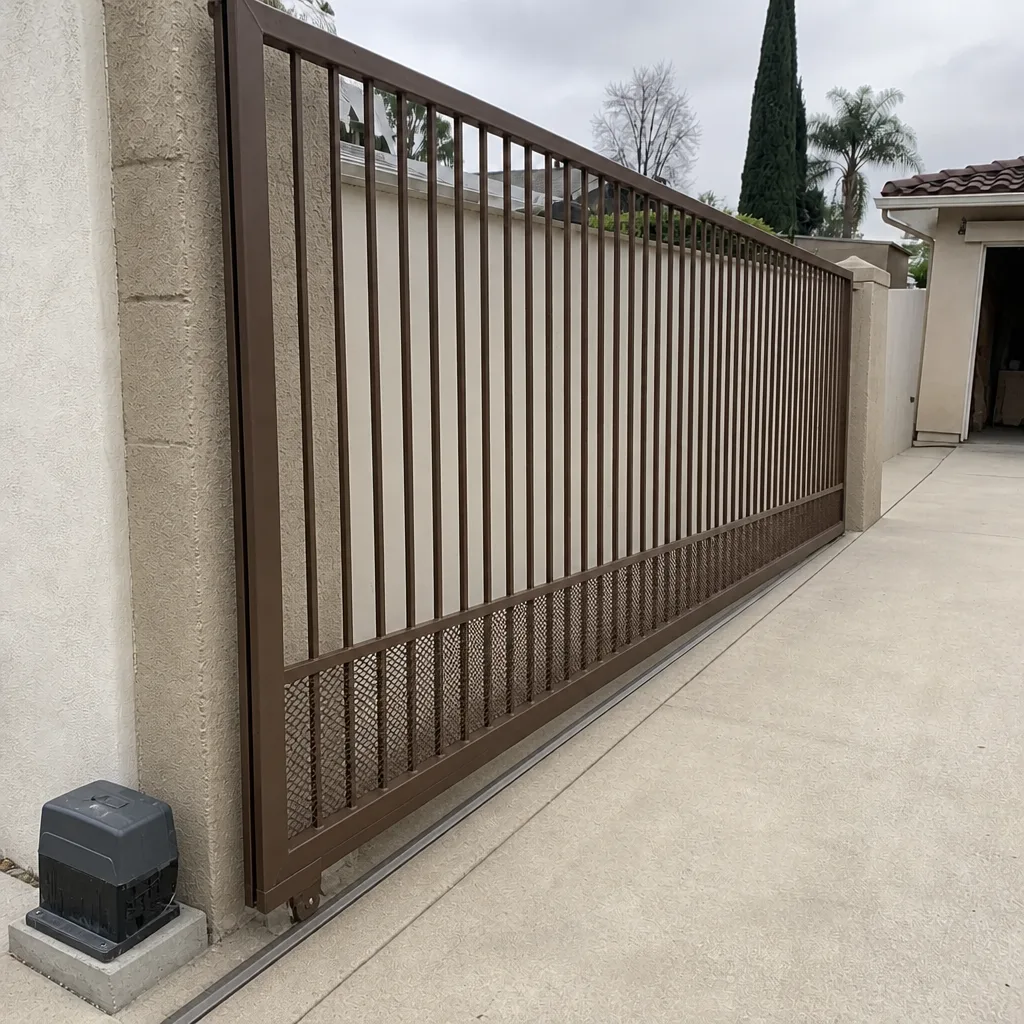 After
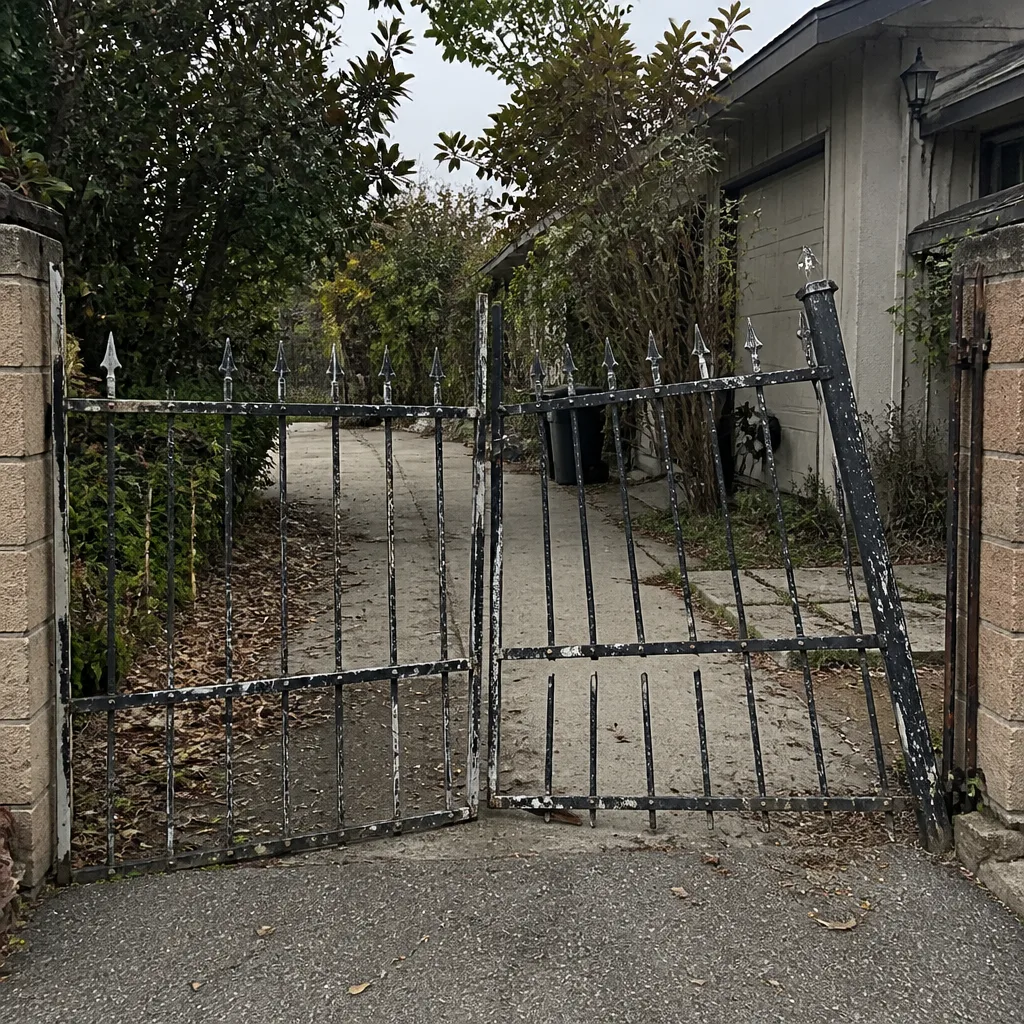 Before
 After
 Before
 After