
Last updated November 4, 2026
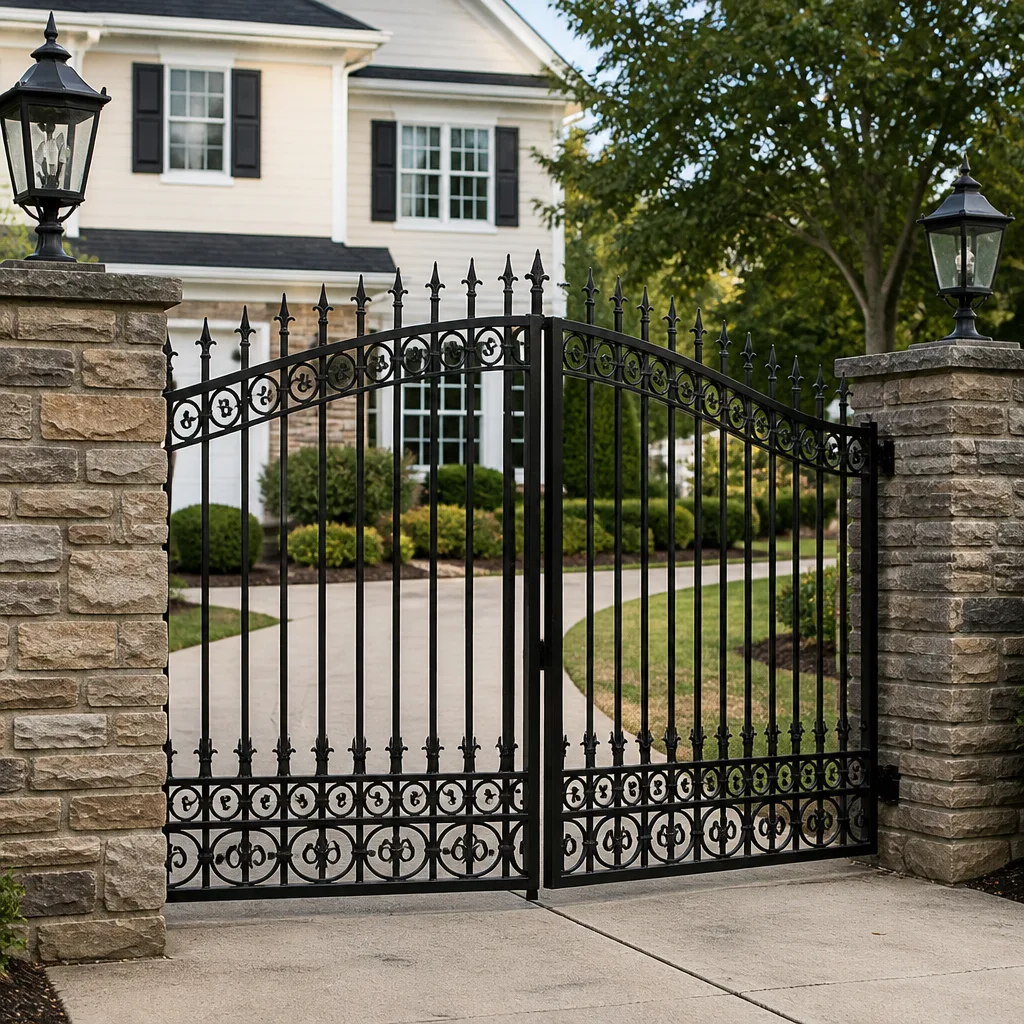 Wrought iron
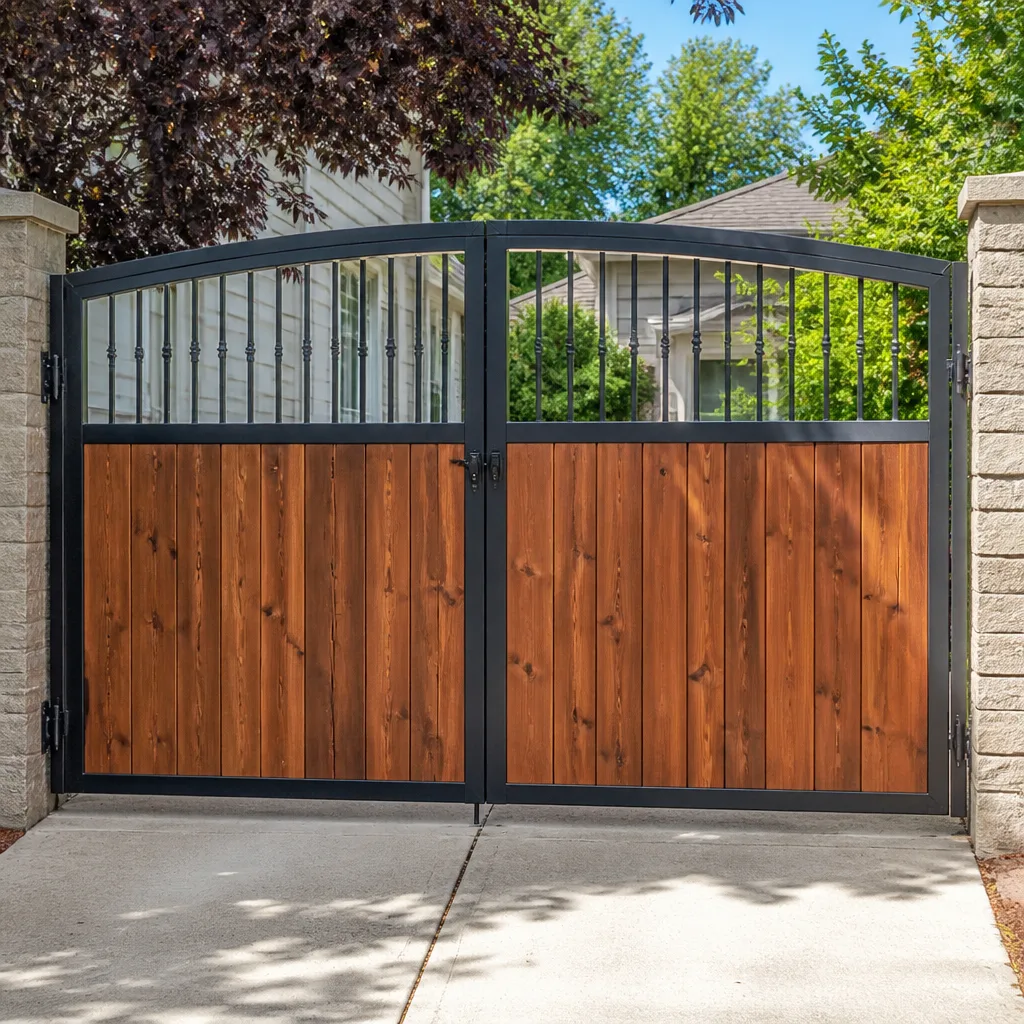 Wood & steel frame
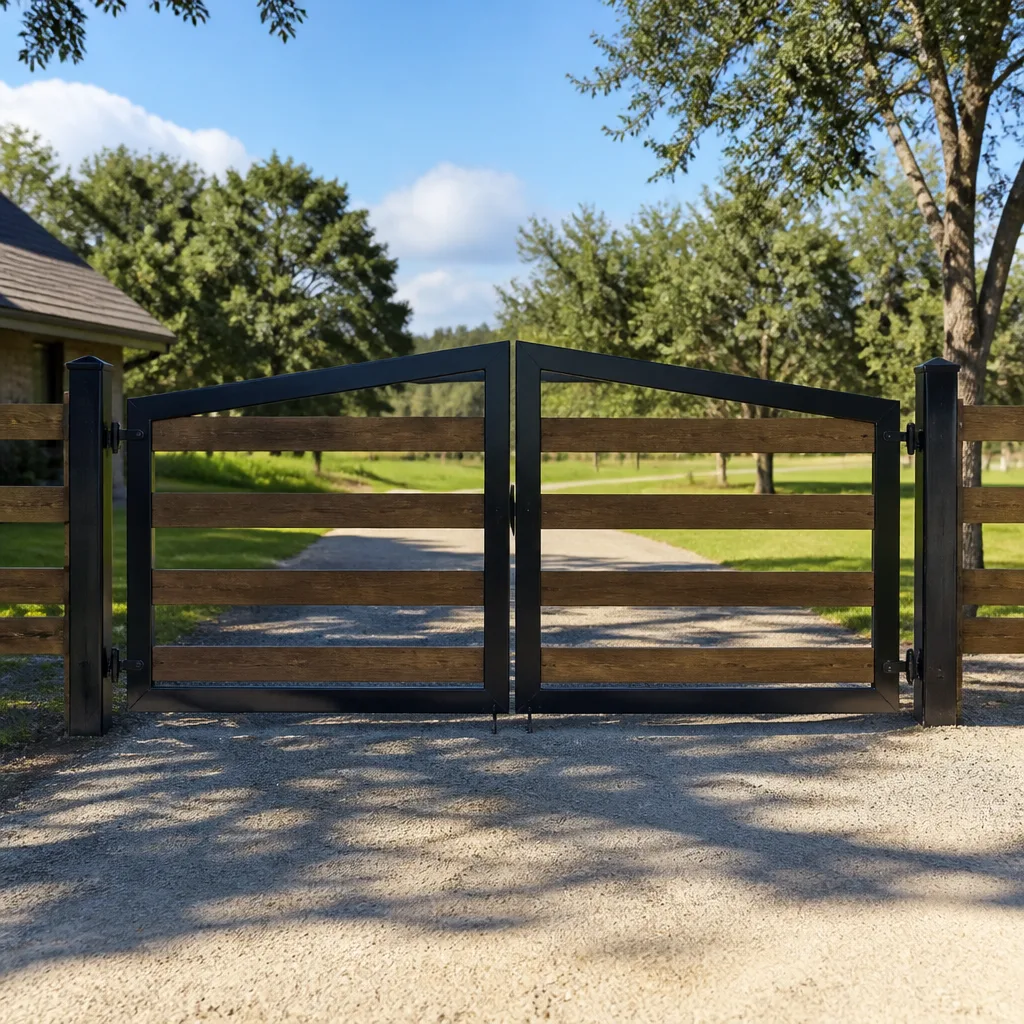 Farm & ranch
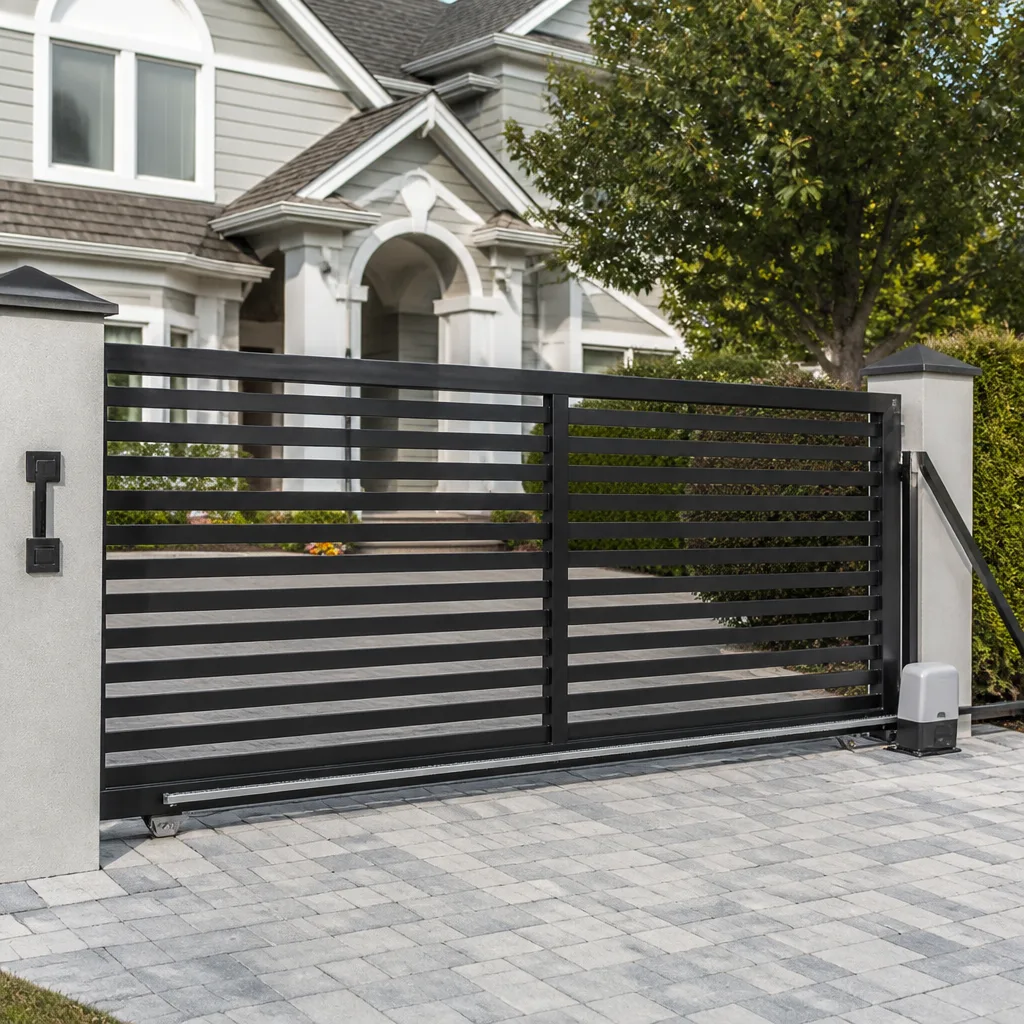 Sliding driveway gates
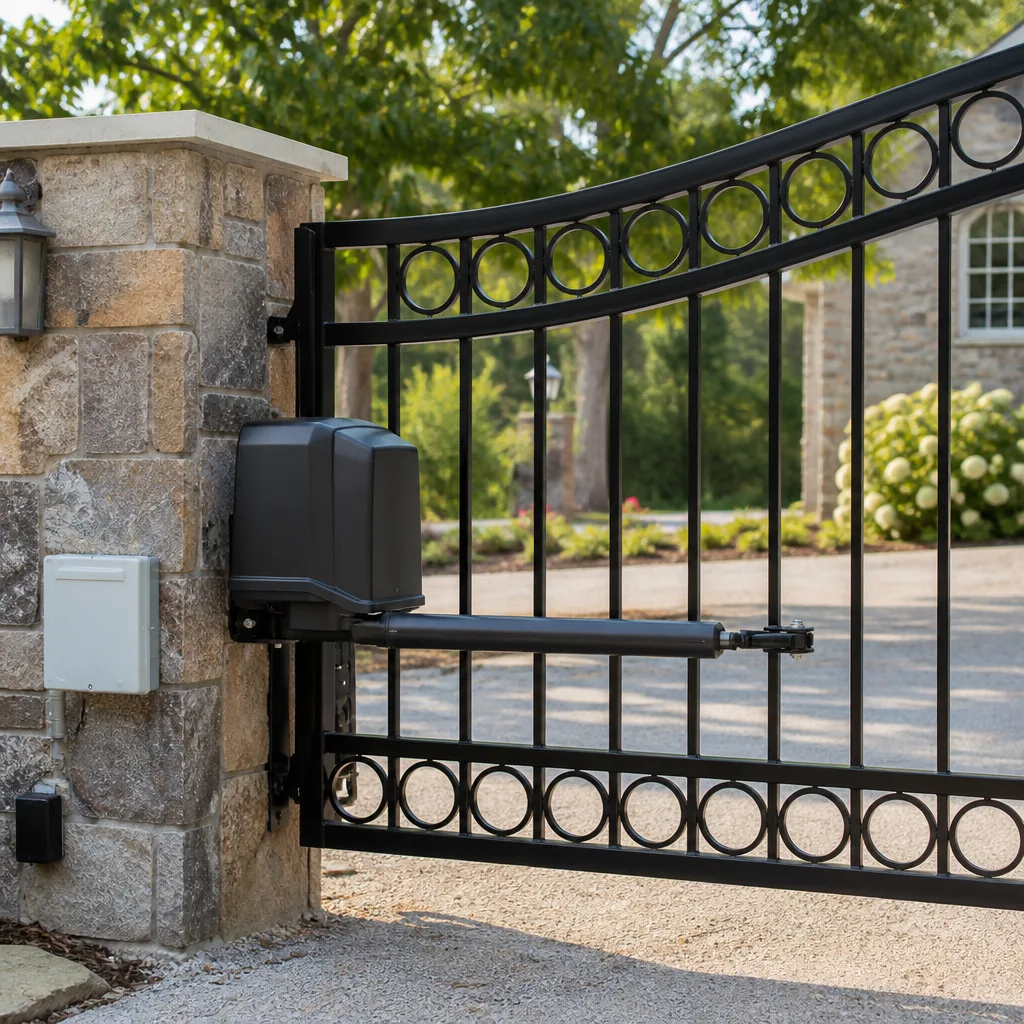 LiftMaster operators
Free on-site gate assessment - hinges, posts, and your LiftMaster or Nice gate operator checked before anything is quoted
The assessment is free and the quote is the invoice.
Get your free estimateGate Repair Permits, Codes & Inspections in Yorba Linda, CA: What You Need to Know
Most Yorba Linda homeowners assume a gate repair never needs a permit. That assumption holds for greasing hinges or replacing a broken wheel, but it falls apart the moment you modify the gate’s structure or swap out an automatic operator. An unpermitted gate installation can surface years later during escrow, when a buyer’s inspector flags the work, or worse, after an incident where an insurance adjuster discovers the gate was never code-compliant. This guide explains exactly where the line sits in Yorba Linda and Orange County, what inspectors actually check, and how to handle HOA requirements before you touch anything.
Quick Answer
In Yorba Linda and Orange County, routine gate repairs like replacing hinges, sensors, or an operator board typically do not require a permit. But structural changes like new posts, new gate framing, or a full gate installation almost always do, and any automatic gate operator must meet current UL 325 entrapment-protection standards. When in doubt, call the Yorba Linda Building Division before work starts, and check with your HOA if your home sits in one of the city’s many planned communities.
Styles & brands we work with
- Wrought iron
- Wood & steel frame
- Farm & ranch
- Sliding driveway gates
- LiftMaster operators
Table of Contents
- Repair vs. Alteration: Where Yorba Linda Draws the Line
- UL 325 and Automatic Gate Operators: The Code You Can’t Skip
- HOA Approval vs. City Permits in Yorba Linda’s Planned Communities
- What a Yorba Linda Inspector Actually Checks
- How to Retroactively Permit Work Done by a Previous Owner
- Permit Costs and Timelines in Yorba Linda
- DIY Gate Work and When It Becomes a Liability
- Common Mistakes to Avoid
Repair vs. Alteration: Where Yorba Linda Draws the Line
The practical dividing line in Yorba Linda comes down to whether the work restores what already exists or changes it. Replacing a worn hinge, swapping a failed circuit board, realigning a slide gate that has drifted off its track – these are repairs. The gate stays the same gate, in the same location, with the same basic structure. No permit needed.
Things get more serious when the work alters the gate’s footprint or structure. Setting new posts in concrete, widening a driveway gate opening, replacing an entire gate frame, or adding a pedestrian gate where none existed all move the project into alteration territory. At that point, Yorba Linda’s Building Division expects a permit, just as it would for any new structure attached to or bordering your property.
Here’s the breakdown we give Yorba Linda homeowners when they ask us whether a job needs a permit:
- No permit typically required: replacing hinges, rollers, tracks, sensors, keypads, remote controls, operator boards, loop detectors, or wiring repairs to an existing system.
- Permit usually required: new gate installation, changing the gate’s size or swing direction, adding new concrete footings, replacing deteriorated posts, or adding an automatic operator to a gate that was previously manual.
- Gray area, call the city: replacing an old automatic operator with a significantly different model that changes the gate’s force profile or entrapment protection layout.
The reason the third category matters is that an operator swap isn’t always just a swap. If the new operator moves the gate faster, with more force, or requires different safety edge placement, the city may treat it as an alteration rather than a repair. We’ve handled enough gate repair jobs in Yorba Linda to know that calling the Building Division early saves a re-inspection fee later.
UL 325 and Automatic Gate Operators: The Code You Can’t Skip
If you have an electric gate in Yorba Linda, the most important standard you’ve probably never heard of is UL 325. This is the safety standard that governs automatic gate operators, and it focuses on one thing: preventing the gate from crushing, pinning, or trapping a person or vehicle.
UL 325 requires entrapment protection on every automatic gate. For a sliding gate, that means sensors or contact edges that stop and reverse the gate when something blocks its path. For a swing gate, it means the same protection at both the open and close positions, plus proper placement of safety devices so a small child cannot reach the pinch point where the gate meets the post.
Older operators, particularly those installed before current UL 325 revisions, often lack the redundant protection the standard now mandates. We see this regularly with aging systems in Yorba Linda’s more established neighborhoods, where a gate may have been installed in the 1990s or early 2000s and never updated. A homeowner with a non-compliant operator faces two problems: the physical safety risk and the legal exposure if an incident occurs and an attorney or insurer discovers the operator predates current standards.
Here’s what UL 325 compliance means in practice for Yorba Linda gate systems:
- Monitored entrapment protection: modern operators monitor their safety devices continuously, not just when the gate is moving. A fault triggers a stop.
- Inherent reverse on contact: the operator must reverse within two seconds of sensing an obstruction, regardless of whether external sensors are present.
- Minimum and maximum speed and force limits: the gate cannot move fast enough or with enough force to seriously injure a person in its path.
- Safety edge or photo eye redundancy: current standards favor two independent means of entrapment protection, often a contact edge plus a non-contact sensor.
If you’re repairing an electric gate in Yorba Linda and the operator is more than 15 years old, it’s worth having a technician evaluate whether the system still meets UL 325. Some older DoorKing and Elite operators can be updated with current safety devices. Others should be replaced entirely. An electric gate repair that ignores UL 325 isn’t really a repair – it’s a liability transfer to you.
HOA Approval vs. City Permits in Yorba Linda’s Planned Communities
Yorba Linda is unusual in Orange County for how many of its homes sit within HOA-governed communities. East Lake Village, Travis Ranch, Kerrigan Ranch, and numerous smaller enclaves all have architectural guidelines that govern gates, walls, and landscape features. If you live in one of these communities, the HOA process runs parallel to the city permit process, and it’s often the more time-consuming of the two.
The order matters. In most Yorba Linda HOAs, you need architectural committee approval before you submit a permit application to the city. The HOA cares about aesthetics: gate height, material, color, and whether it matches the neighborhood’s approved palette. The city cares about safety and structure: footings, setbacks, electrical compliance, and UL 325. Submitting to the city first doesn’t help you if the HOA rejects your gate design a week later.
Here’s the sequence we recommend to Yorba Linda homeowners in HOA communities:
- Pull your HOA’s architectural guidelines. Look for the section on gates, fences, and driveway features. Note any restrictions on height, material, or automatic operation.
- Submit your gate plan to the HOA architectural committee. Most committees meet monthly, so budget for a 30-day turnaround. Include the proposed gate style, dimensions, finish, and operator location.
- Once HOA approval is in hand, apply for the city permit. Bring the HOA approval letter to the Building Division – it shows the project has already passed a design review.
- Schedule the city inspection after installation. Do not pour footings or set posts until the permit is issued.
Skipping the HOA step is the most common mistake we see in Yorba Linda’s master-planned neighborhoods. The HOA can force you to remove or modify a gate that doesn’t conform, even if the city already signed off. That’s an expensive rework on a project that should have been approved once, correctly, from the start.
What a Yorba Linda Inspector Actually Checks
If you’re installing a new gate or significantly altering an existing one in Yorba Linda, the city inspector will visit at least once, and possibly twice: once after the footings are dug and formed, and again after the gate and operator are installed. Knowing what the inspector examines helps you avoid a failed inspection and the re-inspection fee that follows.
On the footing inspection, the inspector verifies post depth, concrete encasement, and setback from the property line and public right-of-way. In Yorba Linda’s hilly terrain, particularly in areas like Bryant Ranch or Fairmont Hill, footings must also account for slope stability. The inspector will ask about drainage and whether the gate’s mass is properly supported.
On the final inspection, the focus shifts to the operator. The inspector checks that the gate meets current safety standards, that the operator has the correct force settings, and that all controls are installed to code. Here’s the checklist we prepare Yorba Linda clients for:
- Entrapment protection is operational. Photo eyes, contact edges, and the operator’s inherent reverse function all get tested.
- The operator is listed for the gate’s size and weight. A residential operator on a heavy commercial-style gate will fail.
- Electrical wiring is done to code. Dedicated circuit, proper conduit, and weatherproof connections. No extension cords, no exposed splices.
- Manual disconnect is accessible. In a power outage, a homeowner must be able to disengage the operator and move the gate by hand.
- Warning signage is posted. Automatic gates require visible warning signs on both sides of the gate.
The inspection isn’t adversarial. Most Yorba Linda inspectors would rather explain a requirement before you build than flag it after. If you’re working with a gate technician who knows the local requirements, the final inspection usually passes on the first visit.
How to Retroactively Permit Work Done by a Previous Owner
Yorba Linda home sales frequently include a gate that was installed without a permit. The sellers may not even know. The gate works, it looks fine, and the sale proceeds. Then, years later, the new owner discovers the issue during a refinance appraisal, an insurance review, or a project that requires the city to look at the property.
Retroactively permitting gate work is possible, and it’s more common than you’d think. The process starts with a call to the Yorba Linda Building Division to explain the situation. In most cases, the city will allow a “permit after the fact” if the work can be brought into compliance with current code. The gate doesn’t need to have been code-compliant on the day it was installed – it needs to be code-compliant now.
Here’s the typical retroactive permit path:
- Document the existing gate. Photograph the gate, operator, safety devices, and any visible wiring. Note the brand and model of the operator if possible.
- Have a gate professional assess code compliance. The most common failures on unpermitted gates are missing or outdated entrapment protection, undersized footings, and non-compliant electrical work.
- Bring the system up to current standards. This might mean adding photo eyes, replacing an operator, or even resetting posts if the originals are inadequate.
- Apply for the retroactive permit and schedule the inspection. Same inspection process as new work. The inspector verifies the system meets current code.
- Close the permit. Once signed off, the gate is officially permitted work, which clears the title issue for any future sale or refinance.
If you’re buying a home in Yorba Linda and the seller can’t produce a permit for an existing automatic gate, ask your inspector to look at the operator and safety devices specifically. It’s easier to negotiate a repair credit or retroactive permit as part of the sale than to chase it on your own later. As a Gate Repair Yorba Linda specialist, we’ve walked buyers through this more times than we can count, and the fix is usually less expensive than the buyer expects.
Permit Costs and Timelines in Yorba Linda
Every gate project in Yorba Linda gets its price set by written estimate, and permit costs are no exception. The city calculates permit fees based on the valuation of the work, so a simple gate replacement costs less than a full electric gate installation with new footings and a dedicated electrical circuit. We tell Yorba Linda homeowners to ask the Building Division for a fee estimate before applying, because the valuation-based method makes it impossible to give a flat rate without knowing the project scope.
Timeline is easier to predict. A simple over-the-counter permit can be issued the same day if the gate is standard and the HOA letter (when required) is already in hand. A more complex project, like a custom swing gate on a sloped lot in one of Yorba Linda’s hillside neighborhoods, may take one to two weeks for plan review. The HOA architectural committee, as mentioned, often runs on a 30-day cycle regardless of the city’s speed.
Here’s what influences your permit cost and timeline in Yorba Linda:
- Project valuation. Higher cost gate, higher permit fee. The city sets the formula.
- Whether electrical work is involved. Adding a new circuit for an operator can require a separate electrical permit or a combined building permit.
- Slope and soil conditions. Hillside lots may need additional engineering review for footings.
- HOA review period. This runs independently of the city clock and often extends the total project time by several weeks.
The habit of asking for the estimate in writing, before any work starts, applies to the permit process too. A clear written estimate from your gate contractor, plus the city’s permit fee schedule, means no surprises when the final invoice arrives. If you want a specific number for your Yorba Linda project, call us and we’ll walk through the job and the likely permit path before anyone touches a post.
DIY Gate Work and When It Becomes a Liability
Plenty of Yorba Linda homeowners are capable of greasing a gate hinge or replacing a worn wheel. We’d never tell anyone they need a professional for basic lubrication. But automatic gates and structural changes are different. The line between a safe DIY project and a dangerous one is thick, and it’s mostly drawn around electricity, tension, and entrapment zones.
An automatic gate operator runs on line voltage and controls a moving structure that can weigh several hundred pounds. The pinch points on a swing gate, where the moving leaf meets the fixed post, can crush a hand or a child’s arm. The leading edge of a slide gate can trap someone against the fence. The electrical enclosure contains capacitors that hold a charge even after power is disconnected. None of this is meant to scare you off maintenance. It’s meant to help you recognize when a job has crossed into territory where a trained professional with brand-specific knowledge – Ghost Controls, DoorKing, Elite, Mighty Mule, whichever system you own – is the safer call.
Here’s the split we give Yorba Linda homeowners:
- Reasonable DIY: lubricating hinges and rollers, tightening loose bolts, clearing debris from the track, testing the photo eyes and safety edges, replacing remote batteries.
- Call a professional: any repair involving the operator’s internal wiring or control board, any work on safety sensors, any work that requires moving or resetting the gate’s force limits, and anything structural like posts, framing, or track realignment.
The UL 325 standard exists because automatic gates have caused serious injuries. A homeowner who modifies an operator’s force settings to “fix” a gate that’s binding against its track may solve the symptom, but they’ve also created an entrapment hazard. In Yorba Linda, where many homes back up to trails and open space, a gate that fails to stop when a child or pet crosses its path is a preventable tragedy. We’d rather you call us and hear that the repair is simpler than you thought than have you attempt a dangerous fix.
Common Mistakes to Avoid
After years of gate work in Yorba Linda, the same mistakes come up across every neighborhood, from the older homes near the Nixon Library to the newer builds in Vista del Verde. Here are the ones that cost homeowners the most time and money:
- Skipping the HOA architectural review. The city may approve your gate, but an HOA that wasn’t consulted can force removal. In Yorba Linda’s planned communities, this is the single most expensive mistake we see. Get HOA approval first, city permit second.
- Treating an operator replacement as a simple swap. A new operator that handles a gate differently than the old one can push the project into permit territory under Orange County code. The wrong assumption here becomes a disclosure problem when you sell.
- Ignoring UL 325 on an older electric gate. A gate installed 20 years ago almost certainly doesn’t meet current entrapment protection standards. If an incident occurs, the non-compliance becomes your liability, not the original installer’s.
- Pouring footings before the permit is issued. Yorba Linda inspectors need to see the footing forms before concrete goes in. You can’t un-pour a footing to show the inspector what’s below it. An obviously fresh pour on a project with no permit triggers a stop-work order.
- Assuming the seller’s unpermitted gate becomes your problem automatically. It does, but only if the work can’t be brought into compliance. Most retroactive situations in Yorba Linda resolve with a safety device upgrade and a re-inspection.
- Using a general handyman for electric gate work. Gate operators have brand-specific logic boards and safety protocols. A generalist who “figures it out” on your DoorKing or Mighty Mule system is more likely to create a code violation than fix one.
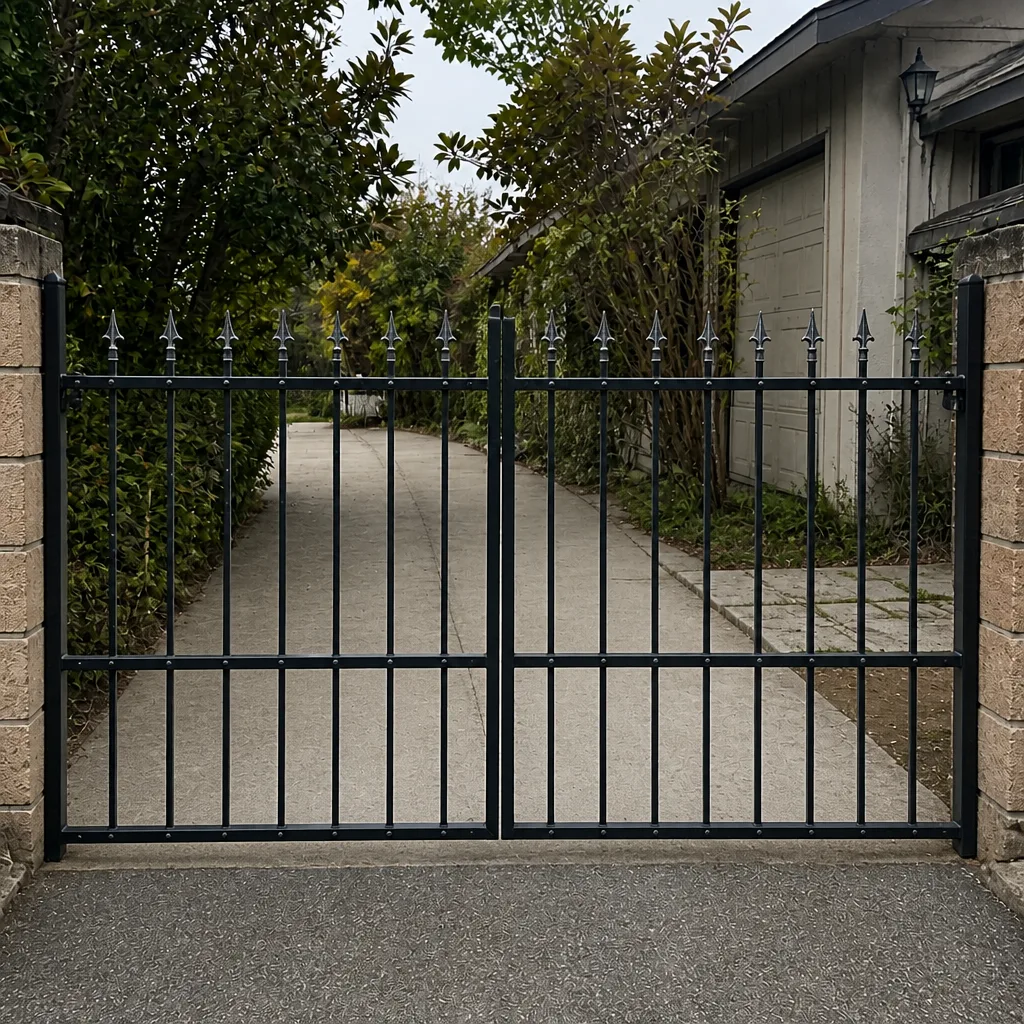
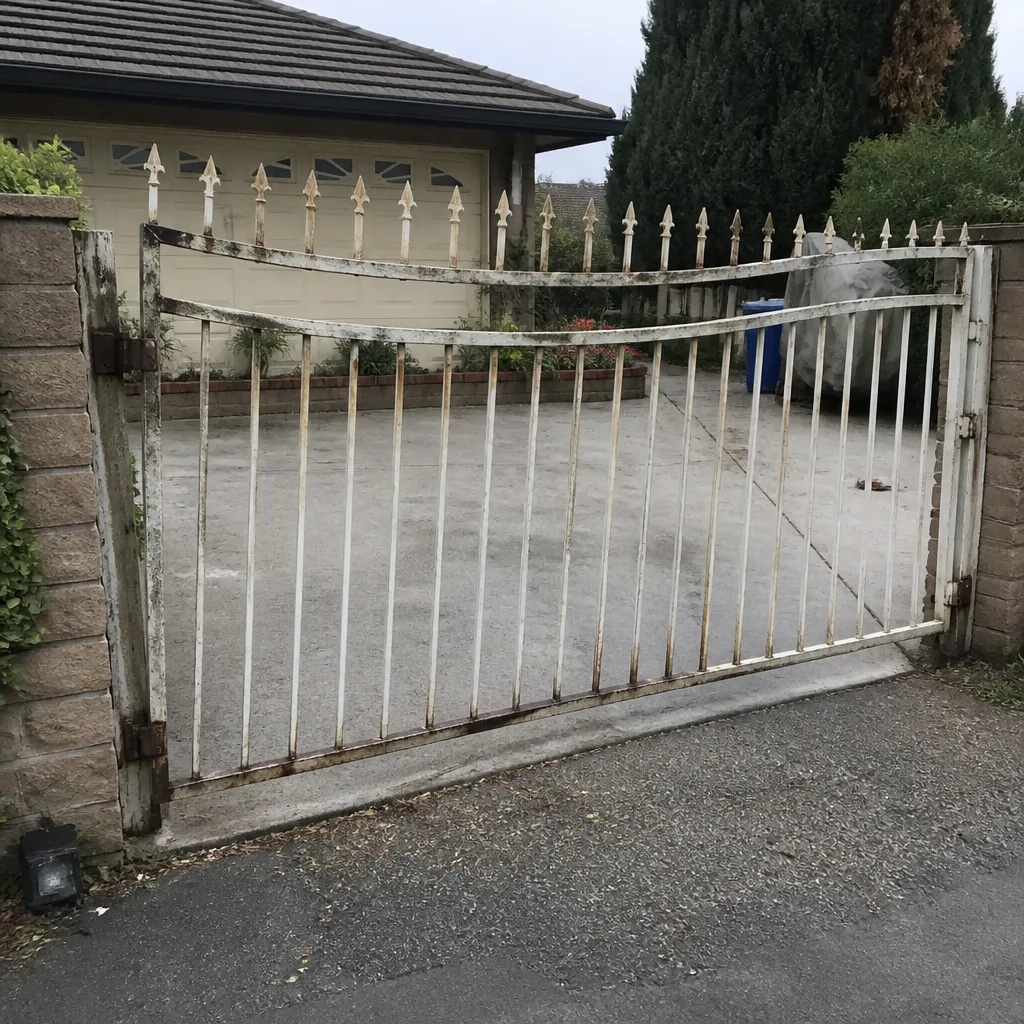
See the difference
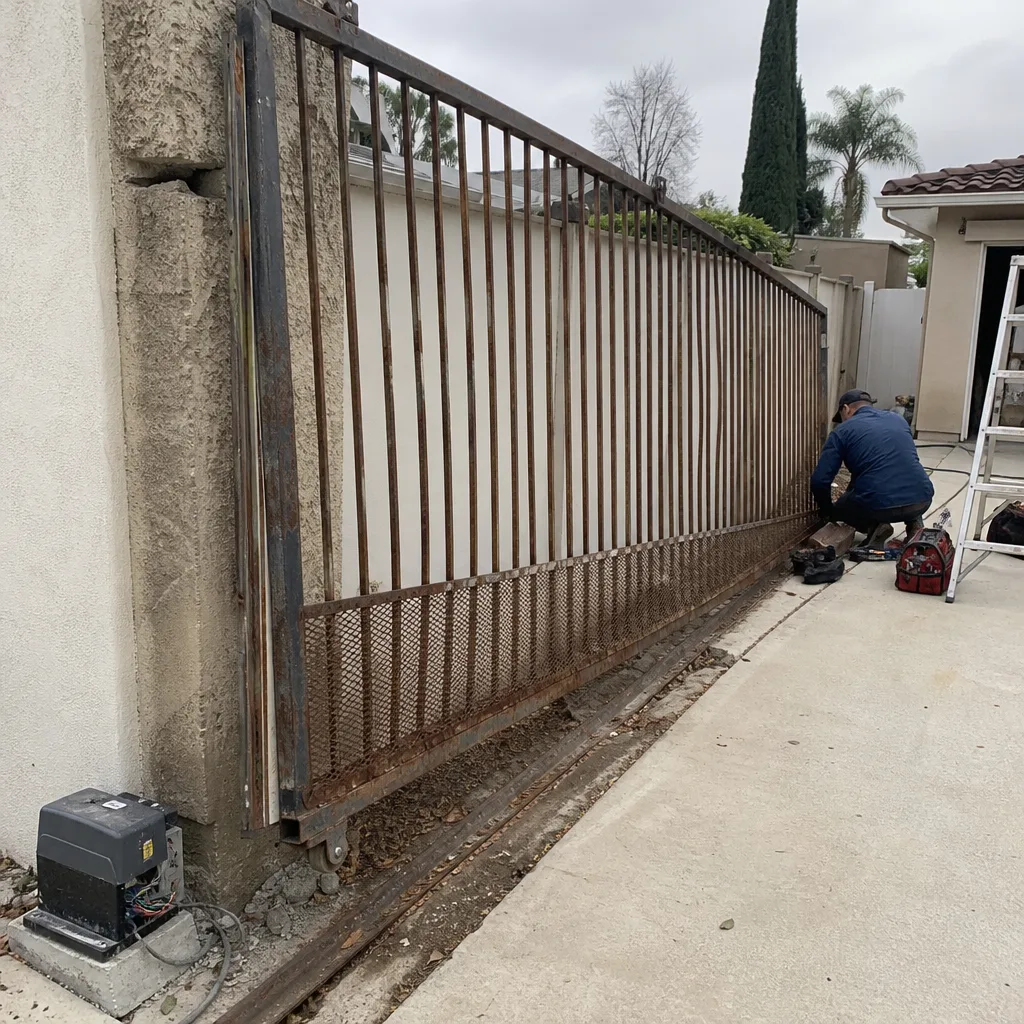 Before
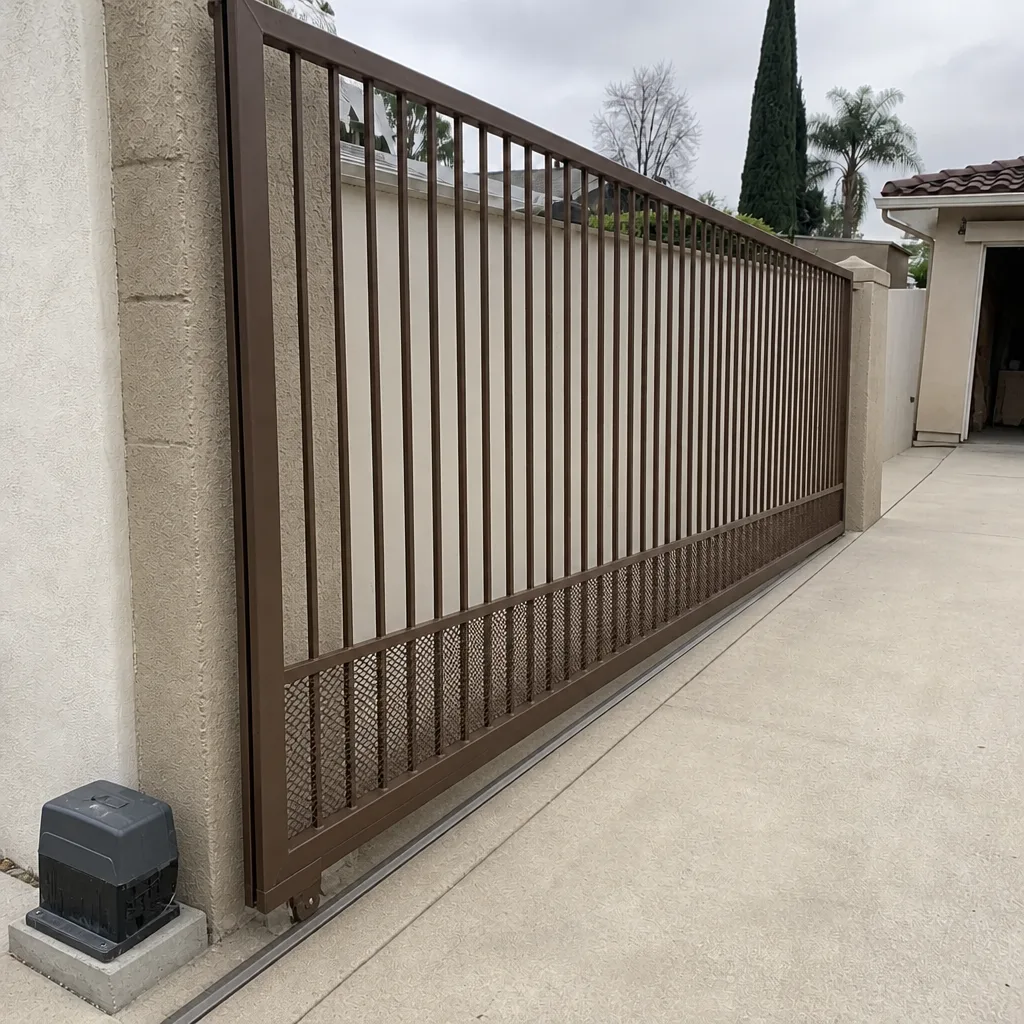 After
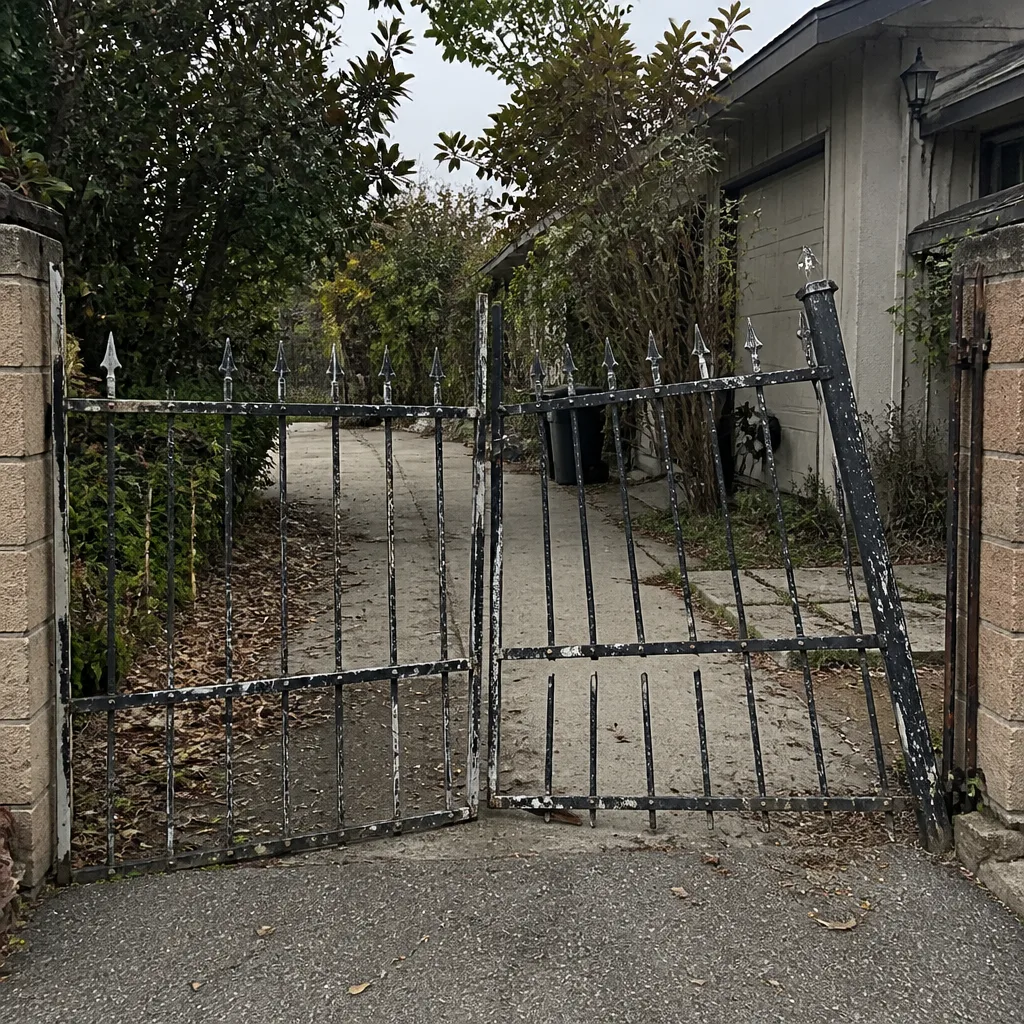 Before
 After
 Before
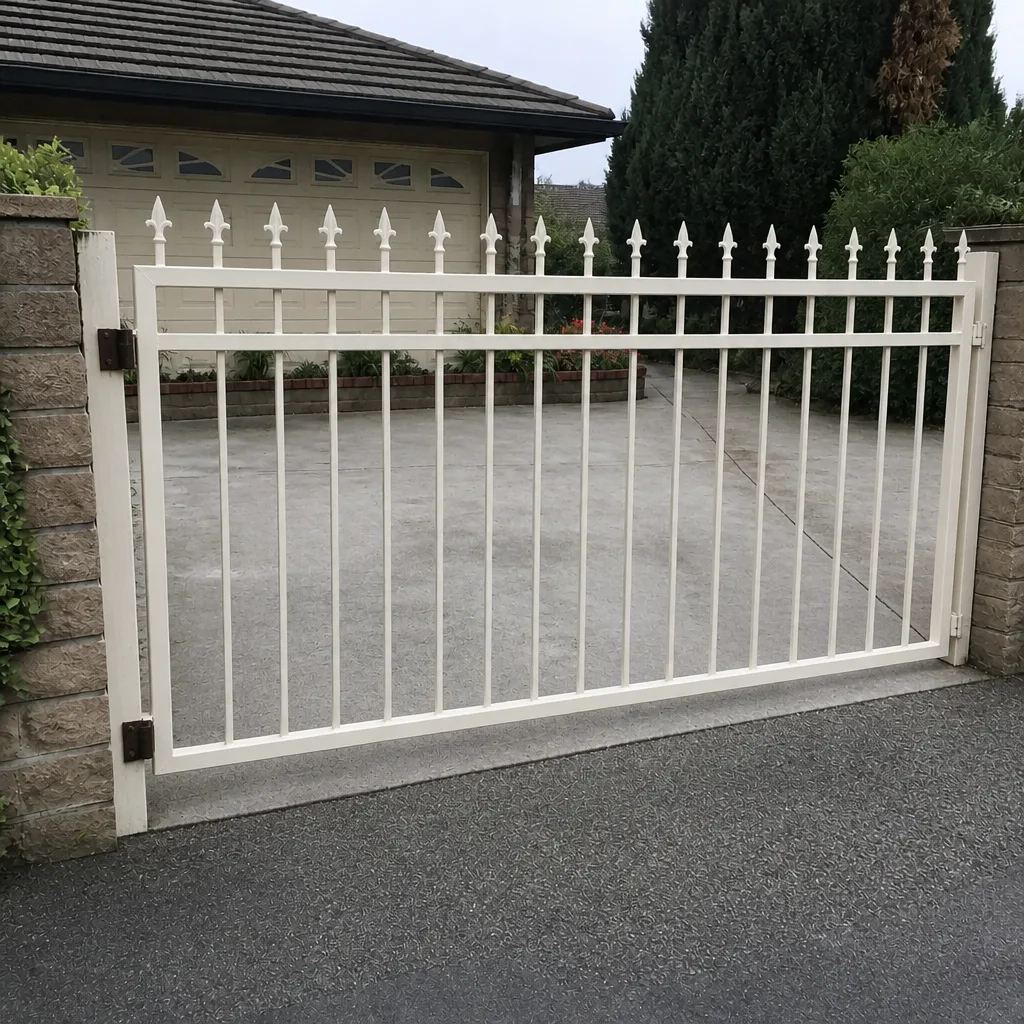 After
When to Call a Professional
Any time you’re unsure whether a gate project needs a permit in Yorba Linda, call someone who does this work daily and can tell you before you commit. That call is especially worthwhile if your gate is automatic, if your home is in an HOA community, or if you’re buying or selling a home with an existing gate that lacks a permit trail. Repairs that would take a homeowner a weekend and two hardware store trips are often done in an afternoon by a technician who already carries parts for the brand on your property. Gate Repair Yorba Linda offers free estimates in Yorba Linda. Call (855) 382-4716. We answer 24/7. Fast dispatch from 7am to 7pm, Sunday through Friday. The price is quoted and agreed before any work starts.
Frequently Asked Questions
Replacing an automatic gate operator with a comparable model usually does not require a permit in Yorba Linda, provided the gate’s structure and safety layout stay the same. If the new operator changes the gate’s force, speed, or entrapment protection requirements, the city may treat it as an alteration. Call the Yorba Linda Building Division with your operator model numbers before the swap, or call us at (855) 382-4716 and we’ll help you assess it.
Yorba Linda calculates permit fees by the valuation of the work, so there’s no flat rate we can quote without knowing the project scope. A basic gate installation permit runs less than a full electric gate with new footings and a dedicated circuit. The written estimate from your gate contractor plus the city’s fee schedule gives you the full picture before work begins. Call (855) 382-4716 for a free estimate.
UL 325 is the safety standard that requires automatic gate operators to include entrapment protection – sensors, contact edges, or both – that stop and reverse the gate when something blocks its path. In Yorba Linda, any automatic gate operator should meet current UL 325 standards, and older systems that don’t create liability for the current homeowner. A professional can evaluate your operator and identify what’s missing.
Yes. Yorba Linda allows retroactive permits for unpermitted gate work if the gate can be brought into compliance with current code. This typically involves upgrading entrapment protection, verifying footings, and scheduling an inspection. It’s a practical fix for home buyers who discover an unpermitted gate during escrow, and the process is more common than most people assume.
If your home is in one of Yorba Linda’s HOA-governed communities, like East Lake Village or Travis Ranch, yes – you need architectural committee approval before the city permit. HOA approval covers aesthetics; the city permit covers safety and structure. Skipping the HOA step can result in being forced to modify a gate the city already approved.
The final inspection on a new or altered gate in Yorba Linda verifies entrapment protection, operator sizing, electrical wiring, manual disconnect access, and warning signage. Inspectors test the photo eyes and safety edges, check that the operator matches the gate’s size and weight, and confirm no exposed or non-code electrical splices. A qualified gate technician can have the system ready for first-visit pass.
The Bottom Line
The gate permit question in Yorba Linda comes down to a clear line: repairs to an existing system, no permit. Structural changes or new installations, permit required. Automatic operators add the UL 325 overlay, which isn’t optional regardless of what the city says, because it’s your liability on the line if the gate injures someone. HOA communities add a parallel approval process that runs before the city’s. None of this is secret knowledge – it’s just easy to miss until a sale, an insurance claim, or an inspection makes it urgent. Call (855) 382-4716 before you start. We answer 24/7 and fast dispatch runs from 7am to 7pm, Sunday through Friday. Every price is set by written estimate, agreed before any work begins.
Written by the team at Gate Repair Yorba Linda, serving Yorba Linda since 2011.