
Last updated November 4, 2026
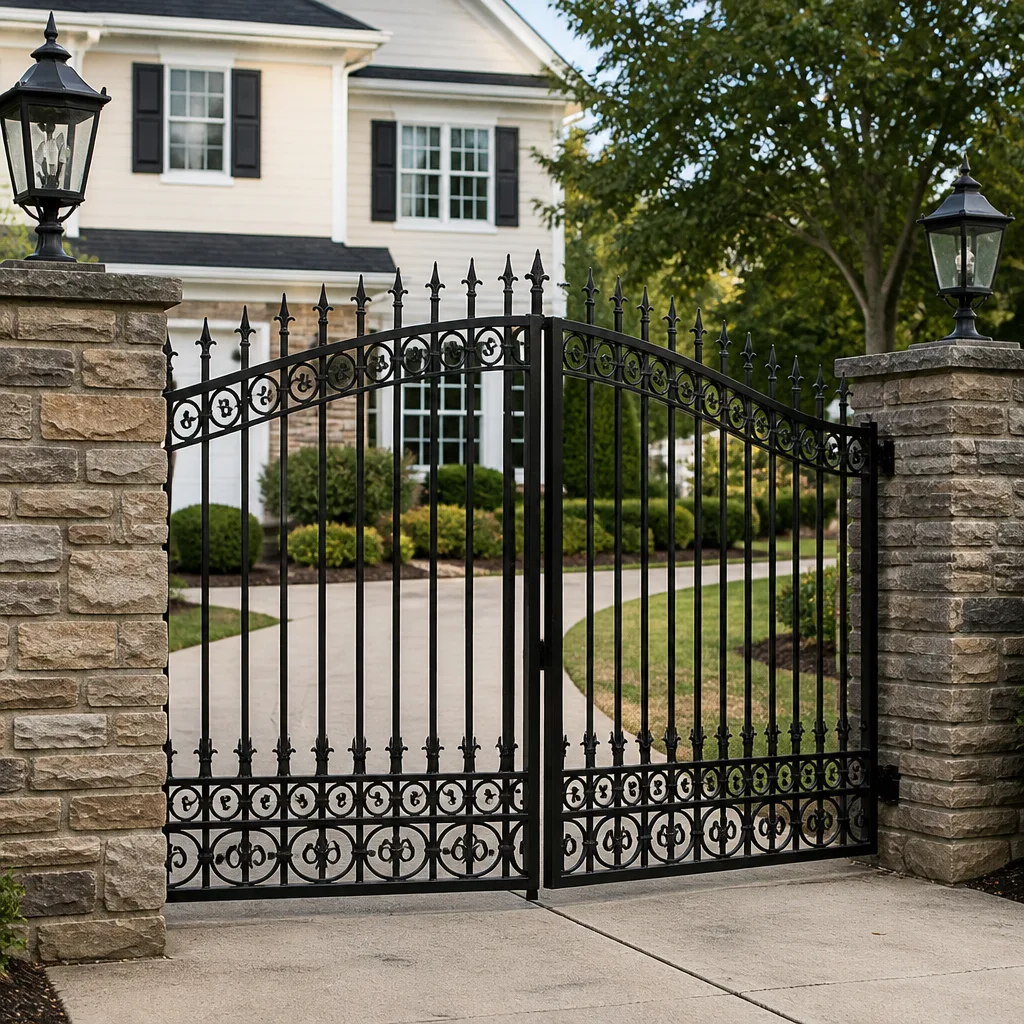 Wrought iron
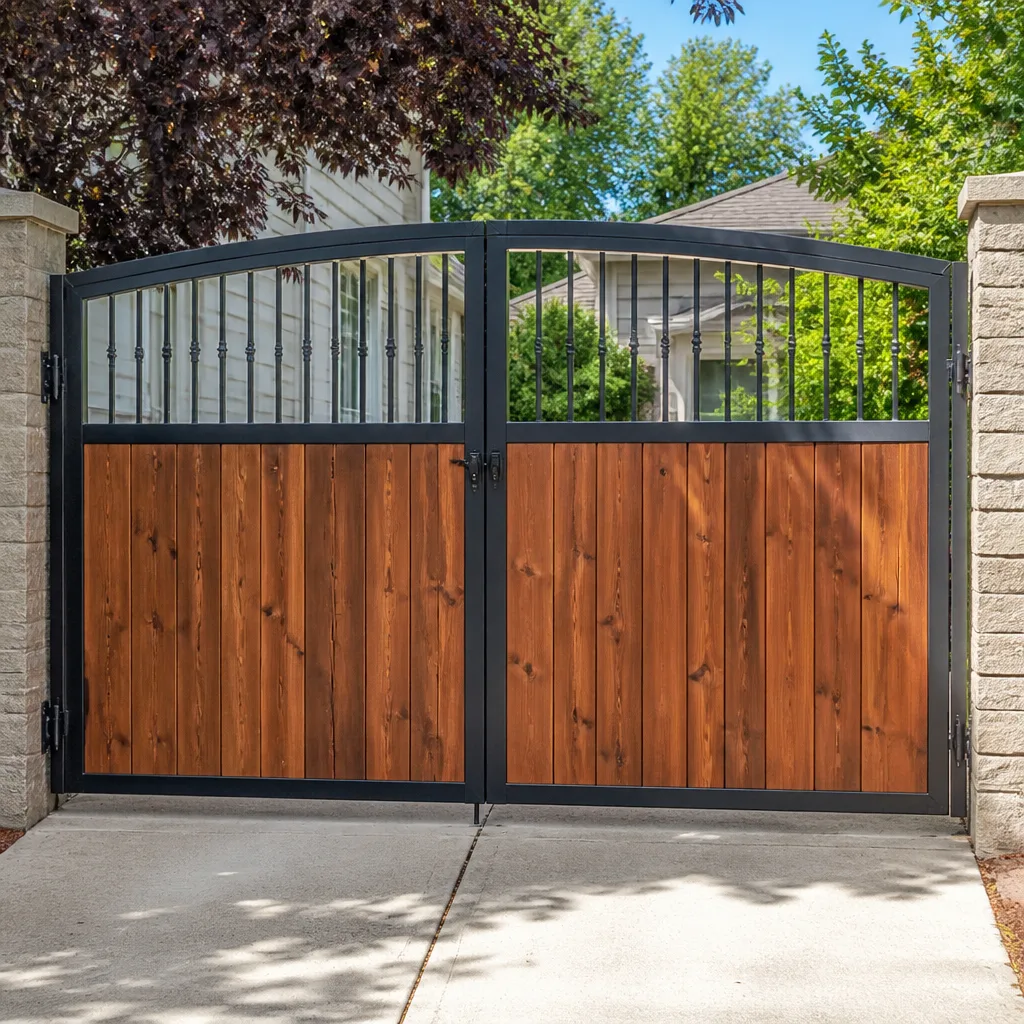 Wood & steel frame
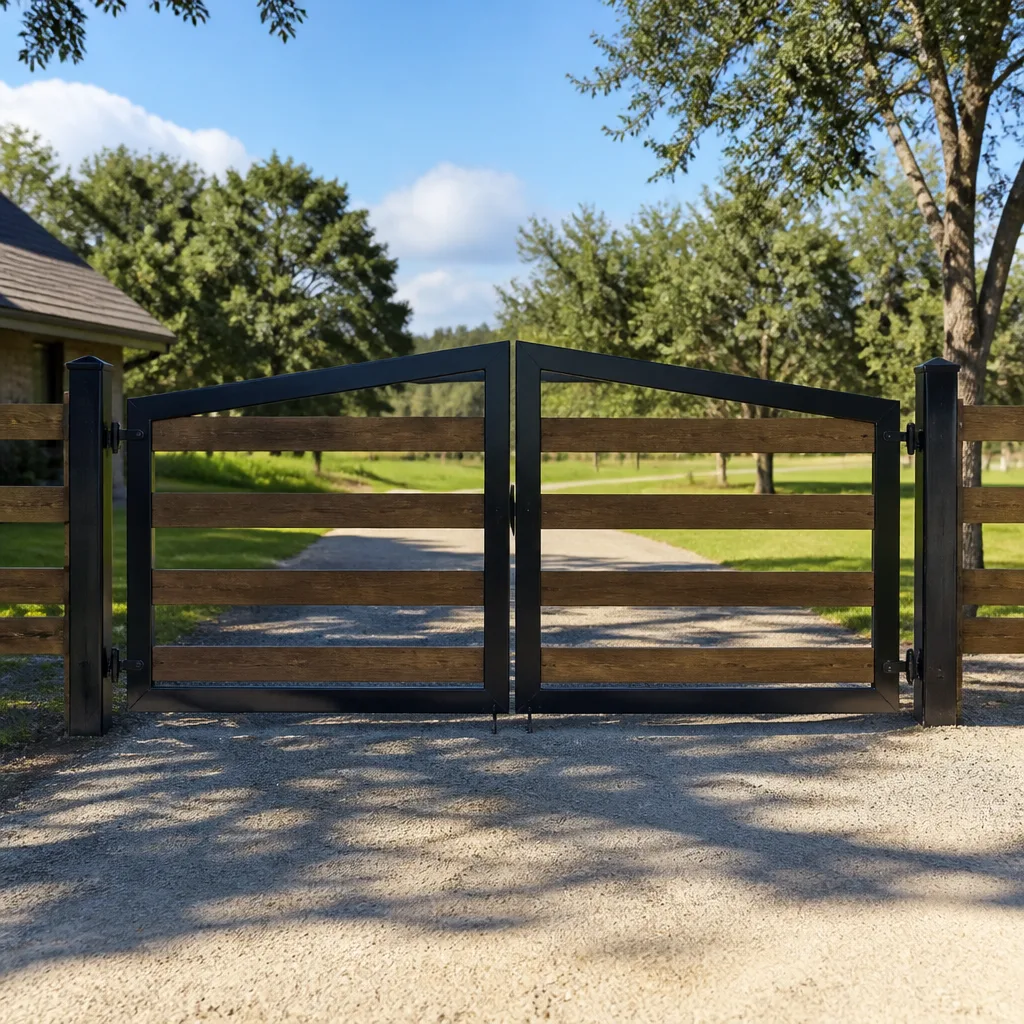 Farm & ranch
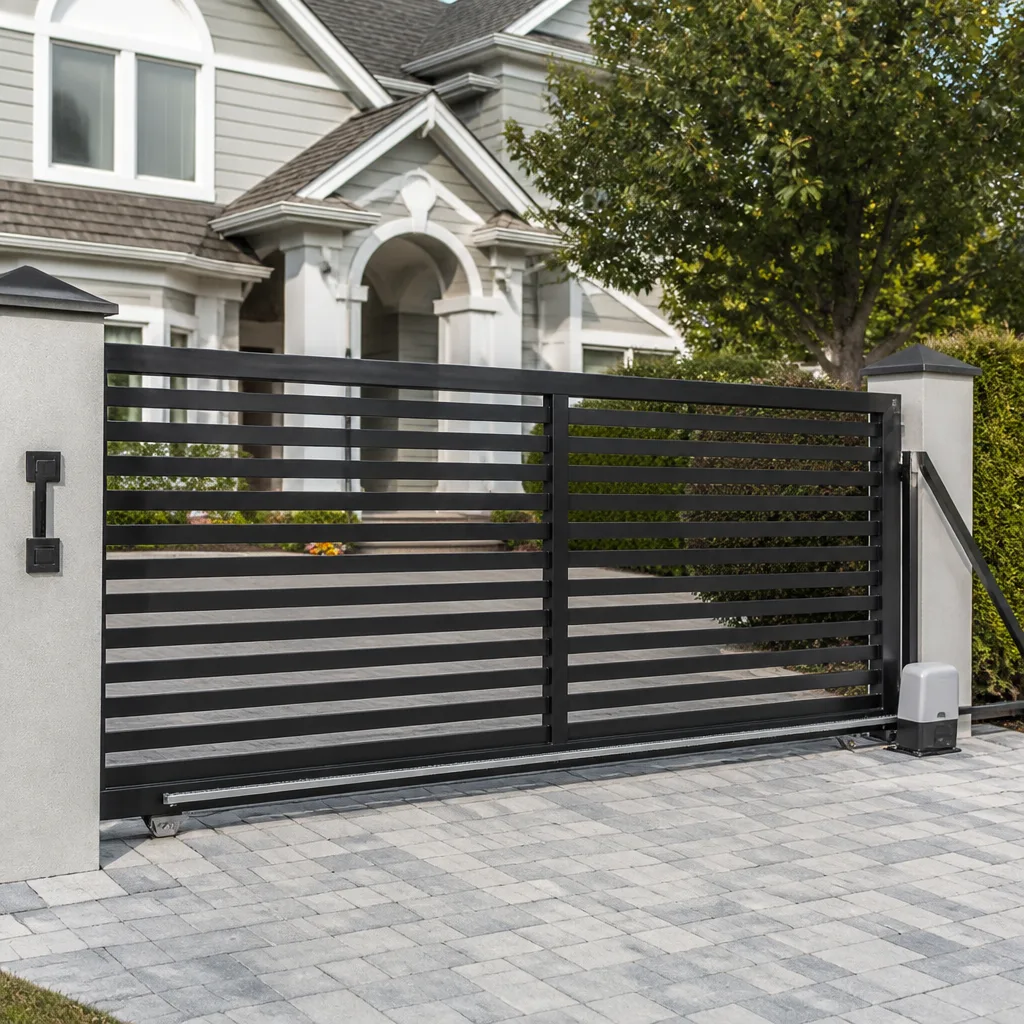 Sliding driveway gates
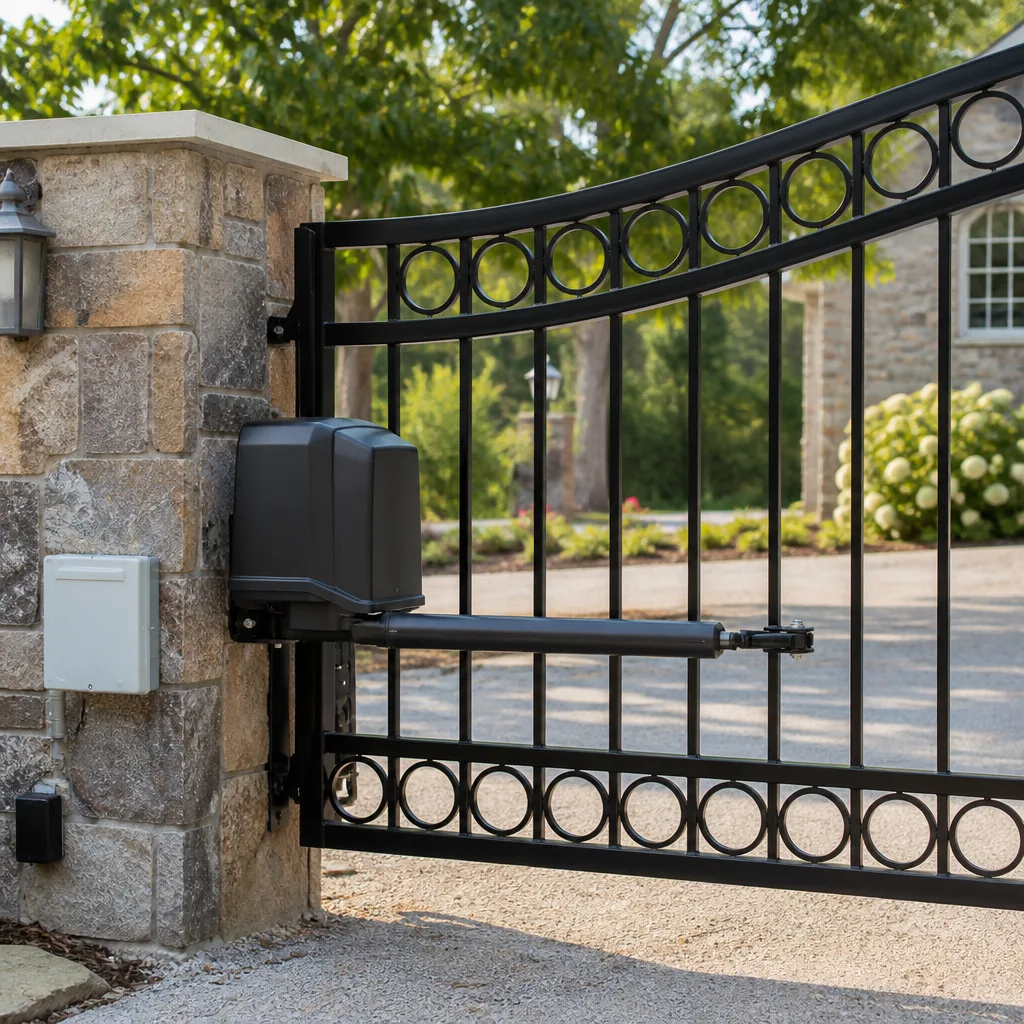 LiftMaster operators
Free on-site gate assessment - hinges, posts, and your LiftMaster or Nice gate operator checked before anything is quoted
The assessment is free and the quote is the invoice.
Get your free estimateSeasonal Gate Repair Care for Yorba Linda: Year-Round Homeowner’s Guide
Summer in Yorba Linda doesn’t just feel hot. Sustained temperatures above 95°F cause aluminum gate frames to expand enough to bind against posts, which is why gates that work fine in March start dragging in July. Most seasonal maintenance advice written for other parts of the country misses this entirely. This guide maps the actual seasonal risk calendar for this ZIP code, so you know what to check, when to check it, and what to leave alone if you don’t want to make things worse.
Quick Answer
Seasonal gate care in Yorba Linda means adjusting for thermal expansion before summer heat peaks, checking hinges and obstruction sensors before the fall Santa Ana wind season, clearing drainage around slide tracks before winter rain, and re-checking post alignment in spring. Most seasonal gate problems here fall into four categories: heat-related binding, wind-related sensor trips, water-related track shifting, and sun glare on photoelectric safety sensors.
Styles & brands we work with
- Wrought iron
- Wood & steel frame
- Farm & ranch
- Sliding driveway gates
- LiftMaster operators
Table of Contents
- Summer Prep: Thermal Expansion and Heat Binding
- Fall Wind Season: Santa Ana Stress on Hinges and Sensors
- Winter Rain Prep: Drainage and Track Leveling
- Spring Reset: Post-Shift Inspection After Soil Movement
- Year-Round Solar Glare: When Sunlight Fools Your Safety Sensors
- Brand-Specific Seasonal Notes: What We See on Viking, Ghost Controls, and DoorKing Systems
- Common Mistakes to Avoid
- When to Call a Professional
- Frequently Asked Questions
Before we get into the seasonal breakdown, a note on scope. This guide covers gate hardware and operators, from residential driveway gates in Yorba Linda to light-commercial access systems. We work on gate repair for a wide range of brands, so the advice below applies whether you have a Viking slide gate, a Ghost Controls swing system, or a DoorKing operator on a multi-unit property.
Summer Prep: Thermal Expansion and Heat Binding
Aluminum expands when it heats up. The coefficient of thermal expansion for aluminum is roughly 0.0000123 per degree Celsius per unit length. What that math means in practical terms: a 12-foot aluminum gate panel that fits perfectly at 70°F will be measurably longer at 100°F. On a driveway gate, that expansion shows up first at the latch side and along the top edge, where the panel can start scraping the post or dragging along the track.
Gates installed in winter or early spring are set with whatever gap tolerance the installer chose at that moment. That gap may be fine for mild weather and frustrating in August. If your gate worked through the winter and started binding in May or June, thermal expansion is the first thing we check.
What summer prep looks like on a typical Yorba Linda property:
- Open and close the gate manually with the operator disengaged. Feel for resistance at any point in the travel arc.
- Look at the gap between the gate panel and the latch post when the gate is closed. If the gap has shrunk since spring, you’re seeing heat expansion.
- Check slide gate rollers for lateral pressure. A slide gate that expands pushes against its guide wheels, which accelerates roller wear.
- Listen to the operator motor during a full cycle. A motor that strains at the middle of the cycle may be fighting thermal binding, not an electrical fault.
Adjusting gap tolerances on a swing gate means loosening hinge hardware and re-setting panel alignment. On a slide gate, you may need to adjust guide rollers or trim a small amount from the leading edge. This is also the right time to lubricate hinges and check the operator’s force settings. A properly adjusted gate should move through a full cycle without stalling, even on a 105°F afternoon.
One more summer-specific issue: heat degrades plastic components faster. Operator housings, sensor brackets, and cable glands get brittle after enough seasons of direct sun. We inspect those parts during summer service calls because a cracked sensor bracket in July becomes a water ingress problem in January.
Fall Wind Season: Santa Ana Stress on Hinges and Sensors
Yorba Linda’s fall wind pattern is predictable enough to plan around. Santa Ana winds come down through the passes from the northeast, gusting hard enough to rattle gates and push them against their stops. The stress points are specific: hinge pins, latch hardware, and the operator’s obstruction detection system.
Wind pushes a swing gate sideways as well as forward. That side load works the hinge bolts loose over time, especially on heavier ornamental steel gates. The first sign is usually a gate that sags slightly at the latch side, then starts scraping the ground or the post. By the time you see daylight around the hinge barrel, the bolts have already been loosening for weeks.
What happens with obstruction sensors during Santa Ana events is less obvious. Most modern operators use either photoelectric sensors across the gate opening or a current-sensing circuit in the motor. High wind gusts can physically move a gate panel enough to change the motor’s current draw, which some control boards interpret as an obstruction. The gate reverses mid-cycle, beeps, or refuses to close completely. The operator isn’t broken. It’s doing what it’s supposed to do, but with bad data.
Fall wind prep steps:
- Inspect all hinge bolts, latch screws, and track brackets for loosening. Tighten anything that moves under hand pressure.
- Check that photoelectric sensors are still aligned. Wind-driven debris or a shifted sensor bracket can break the beam path.
- Test the operator’s obstruction force setting on a calm day. If it’s set too sensitive, wind will false-trigger it all season.
- Remove loose trim, signage, or decorative elements from the gate that can flap in wind and strike the panel.
Latch components wear unevenly in windy seasons. A slam latch that takes repeated wind impacts will eventually fail to secure the gate, which puts the entire system in a half-open state. On HOA properties and multi-unit gate entries with Viking or DoorKing operators, a wind-damaged latch can also trigger repeated cycling as the system tries to confirm the gate is closed. Addressing these problems in late September, before the first strong Santa Ana, is easier than chasing a wind-related intermittent fault in November.
Winter Rain Prep: Drainage and Track Leveling
Winters in Yorba Linda are mild, but rain does come. The relevant problem isn’t freeze damage. It’s water infiltration and soil movement around gate posts and slide tracks.
Slide gates sit on wheels that run along a metal track set into the driveway. When water pools around that track, it works its way into the joint between the track and the surrounding concrete. Repeated wet-dry cycles erode the sub-base under the track, and over time the track shifts. A track that moves even a quarter inch changes how the gate rolls. You’ll notice it as a rough spot in the travel, a gate that slows in one direction, or a growl from the operator motor.
For swing gates, the post footings are the concern. In Yorba Linda’s soil, which includes areas of clay-rich loam in the hills, water absorption causes expansion, and dry periods cause shrinking. A post set into soil that swells and contracts seasonally will move slightly. That movement transfers through the hinge assembly and changes the gate’s alignment.
Winter drainage checklist:
- Walk the slide track before the first heavy rain. Clean out debris, leaves, and compacted dirt from the track channel.
- Check the grade around the track and posts. Water should drain away, not pool. A shovel-grade fix now beats a track reset later.
- Inspect post bases for exposed soil or erosion. If you can see the concrete footing shrinking away from the soil, water has been getting in.
- Test the operator during light rain if you can. Moisture exposure during operation will reveal weak points in seals and connections.
Water inside a control board is less common in Yorba Linda than in coastal cities, but it happens when operator housings crack from years of sun and then get hit with rain. If your gate behaves erratically after a storm, a dry-out and seal replacement on the control board may solve it without replacing the operator.
Spring Reset: Post-Shift Inspection After Soil Movement
By March, Yorba Linda has typically had its wettest months. Soil around gate posts has expanded, contracted, and possibly shifted. The spring reset is an inspection sequence to catch that movement before it damages the operator.
A shifted post doesn’t fail all at once. It moves gradually, and the gate panel compensates by twisting slightly in the hinge or leaning toward one side of the track. The operator then works harder on every cycle to overcome the misalignment. The motor doesn’t care why the gate is fighting it. It just pulls more current, runs hotter, and wears out its gears faster.
Spring inspection sequence:
- Stand at the hinge side of the gate and sight down the top edge. The panel should be dead level. A slope of even 1/8 inch along an 8-foot gate is a sign of post movement.
- Open the gate fully and check the gap under the panel along the full arc. If the gap widens or narrows, the post or the panel has shifted.
- Disconnect the operator and run the gate manually. Feel for binding that wasn’t there in fall.
- Check the operator’s force limiter. If it reverses during a cycle on a gate that moved fine last year, something is misaligned.
- Inspect concrete around post bases. Hairline cracks radiating from a post are a good indicator of seasonal soil movement.
A small post shift can sometimes be corrected by re-shimming hinges or adjusting track rollers. A larger shift means re-setting the post in its footing, which is a bigger job but far cheaper than replacing a burned-out operator. The spring reset catches alignment issues before the summer heat adds thermal expansion on top of them, which is when gates bind most dramatically.
Year-Round Solar Glare: When Sunlight Fools Your Safety Sensors
Photoelectric safety sensors work by sending an invisible infrared beam from a transmitter to a receiver. When the beam is interrupted, the operator interprets that as an obstruction and stops or reverses the gate. The problem is that strong Southern California sun also includes infrared energy, and at certain angles, sunlight can overwhelm the receiver and make it think the beam is broken.
This happens most often on gates that face east in the morning or west in the afternoon, when the sun sits low on the horizon and shines directly into the sensor housing. The gate won’t close, or it closes partway and reverses, and nothing appears to be wrong. This is a classic false-trigger scenario.
What we check when sun glare is suspected:
- Sensor alignment: even a slight shift from wind or vibration changes the beam path, making glare problems more likely.
- Sensor housings: missing or yellowed plastic covers allow more stray light into the receiver. Replacement housings solve a surprising number of these calls.
- Mounting height and angle: sometimes sensors were installed facing the sun at its worst angle. Adding a small shade shield or relocating the sensor can fix it permanently.
- Operator settings: some control boards have sensitivity adjustments that reduce false triggers without compromising safety.
If your gate misbehaves at specific times of day and works fine at others, you’re probably dealing with sun glare, not a mechanical failure. This is worth knowing because the fix is often a $15 shade bracket or a housing replacement rather than a full sensor swap. We see this routinely on gates that run east-west across a driveway in Yorba Linda, where the sun crosses the sensor path twice a day for months at a time.
Brand-Specific Seasonal Notes: What We See on Viking, Ghost Controls, and DoorKing Systems
Gate operator brands have different quirks during seasonal transitions. We work on LiftMaster, FAAC, BFT, Linear, Viking, Ghost Controls, DoorKing, Elite, and Mighty Mule, so these notes come from hands-on repetition across the operator families.
Viking: Viking operators are common on slide gates and commercial entries. We see more current-sensing board sensitivity issues with Viking units during windy periods. The boards are sophisticated, and wind-induced panel movement can cause nuisance reversals that look like operator failures. Checking the force settings and any adjustable sensitivity before fall wind season saves a lot of troubleshooting later.
Ghost Controls: Ghost Controls systems appear on residential swing gates, many of them DIY-installed. The control boards handle basic operation well, but heated summer months expose loose wiring connections and solar panel charging issues on battery-powered models. A Ghost Controls system that charged fine all winter may struggle when the panel draws more current in summer while fighting thermal binding.
DoorKing: DoorKing operators run on everything from residential driveways to apartment and HOA access points. DoorKing control boards tend to log fault codes that are useful for seasonal diagnosis. If you have a DoorKing system and it starts misbehaving, pulling the fault history is the fastest way to see whether the problem is heat, wind, or something else entirely.
Elite: Elite gate operators are less common on residential properties but show up on light-commercial access systems. Their hardware is rugged, but seasonal drainage around mounting pads matters because the motor and gearbox sit lower in the housing. Standing water around the operator base after winter rain is a red flag.
Brand-specific knowledge matters because a Viking control board and a Ghost Controls control board respond differently to the same conditions. A technician who works on all of them knows which adjustments to make and which symptoms point to real failure versus seasonal environmental response.
Common Mistakes to Avoid
- Lubricating everything with WD-40. WD-40 is a water displacer, not a gate lubricant. Using it on hinges and rollers strips the existing grease and leaves the joint dry. Use a proper lithium grease on metal-to-metal joints and a silicone spray on plastic guides.
- Over-tightening hinge bolts to fix sag. Sagging usually means a shifted post or worn hinge bushing, not a loose bolt. Cranking down on the bolt masks the problem and can distort the hinge plate, which makes the real repair harder later.
- Ignoring intermittent reversal. A gate that reverses occasionally on a windy day or in direct sun is telling you something. Waiting until it fails completely means a bigger repair bill.
- Adjusting the operator force settings without understanding them. Force limiters are safety features. Setting them too high to overcome a binding gate creates a crush hazard and strains the motor. The alignment should be fixed first.
- Sealing every seam on the operator housing with caulk. Operator housings need ventilation. Trapping moisture inside is worse than rain getting in. Replace cracked housings or gaskets rather than gluing everything shut.
- Assuming the operator failed when the gate won’t close in wind or sun. Nuisance triggers from wind and solar glare are common in Yorba Linda. Before buying a new operator, have someone verify whether the control board is receiving a false obstruction signal.
- Skipping seasonal alignment checks on a gate that “works fine.” Gates degrade gradually. By the time a homeowner notices a problem, the misalignment has usually been stressing the operator for months.
When to Call a Professional
Some seasonal checks are fine to do yourself: cleaning tracks, clearing drainage, noting when the gate binds or reverses. But when you find a shifted post, a sagging hinge with visible wear, a track that won’t stay level, or an operator that resets or reverses unpredictably, it’s time to bring in someone who works on gates every day. Misalignment repairs require experience with hinge geometry and track leveling. Operator diagnosis goes faster when the technician knows the specific brand and its fault codes.
Gate Repair Yorba Linda offers free estimates in Yorba Linda. Call (855) 382-4716. We answer 24/7. Fast dispatch from 7am to 7pm, Sunday through Friday. Same-day service is available for gate failures that leave a driveway inaccessible or a property unsecured.
Frequently Asked Questions
In Yorba Linda, the most common cause is thermal expansion of the aluminum gate panel. Aluminum expands measurably when temperatures climb above 95°F, and a gap that works at 70°F can close completely by July. The fix is an alignment adjustment that opens the gap tolerance, and it’s easiest to do before the hottest stretch of the year.
Wind pushes the gate panel and changes how much current the motor draws. Control boards, especially those with sensitive obstruction detection, can mistake that current change for an obstruction and reverse the gate. This is common in Yorba Linda during Santa Ana wind season. The fix usually involves adjusting the operator’s force settings or confirming the sensors are aligned. Call (855) 382-4716 for an exact diagnosis, and your estimate is free.
Clear the track channel before the first heavy rain, check that water drains away from the track and posts, and repair any soil erosion at the track edges. Water that pools around the track eventually erodes the sub-base and shifts the track level. If your track has already shifted, or you suspect water has gotten under it, have a technician check the alignment and drainage. Call (855) 382-4716 to schedule a free estimate.
That pattern is usually caused by solar glare interfering with the photoelectric safety sensor. When the sun lines up directly with the receiver, infrared light overwhelms the beam and the operator thinks something is in the path. Yorba Linda sun can cause this for months on gates that face east or west. A shade shield, sensor relocation, or housing replacement usually solves it.
Yes. We work on Ghost Controls, Viking, DoorKing, Elite, LiftMaster, FAAC, BFT, Linear, and Mighty Mule systems across Yorba Linda and the surrounding area. Electric gate repair is one of our core services, not an add-on, so troubleshooting is based on the specific brand’s control logic and failure patterns.
Pricing is per job based on the written estimate. A seasonal alignment check and adjustment typically costs less than replacing an operator that burns out from years of fighting a misaligned gate. Estimates are free, and the price is quoted and agreed before any work starts. Call (855) 382-4716 for a free on-site estimate.
The Bottom Line
Yorba Linda’s gate care calendar lines up with the seasons in ways that general home maintenance advice misses. Summer heat expands aluminum panels and makes gates bind. Fall winds loosen hardware and trip obstruction sensors. Winter rain shifts soil around posts and tracks. Spring is the window to catch post movement before it destroys an operator. And the low-angle Southern California sun can fool safety sensors at certain times of day in any season. If you walk through the seasonal checks in this guide, you’ll catch most issues while they’re still cheap to fix.
When a gate problem goes beyond a cleaning or visual check, call (855) 382-4716. We answer 24/7. Fast dispatch from 7am to 7pm, Sunday through Friday. Same-day service is available for gate failures, and estimates are always free.
Written by the team at Gate Repair Yorba Linda, serving Yorba Linda since 2011.
See the difference
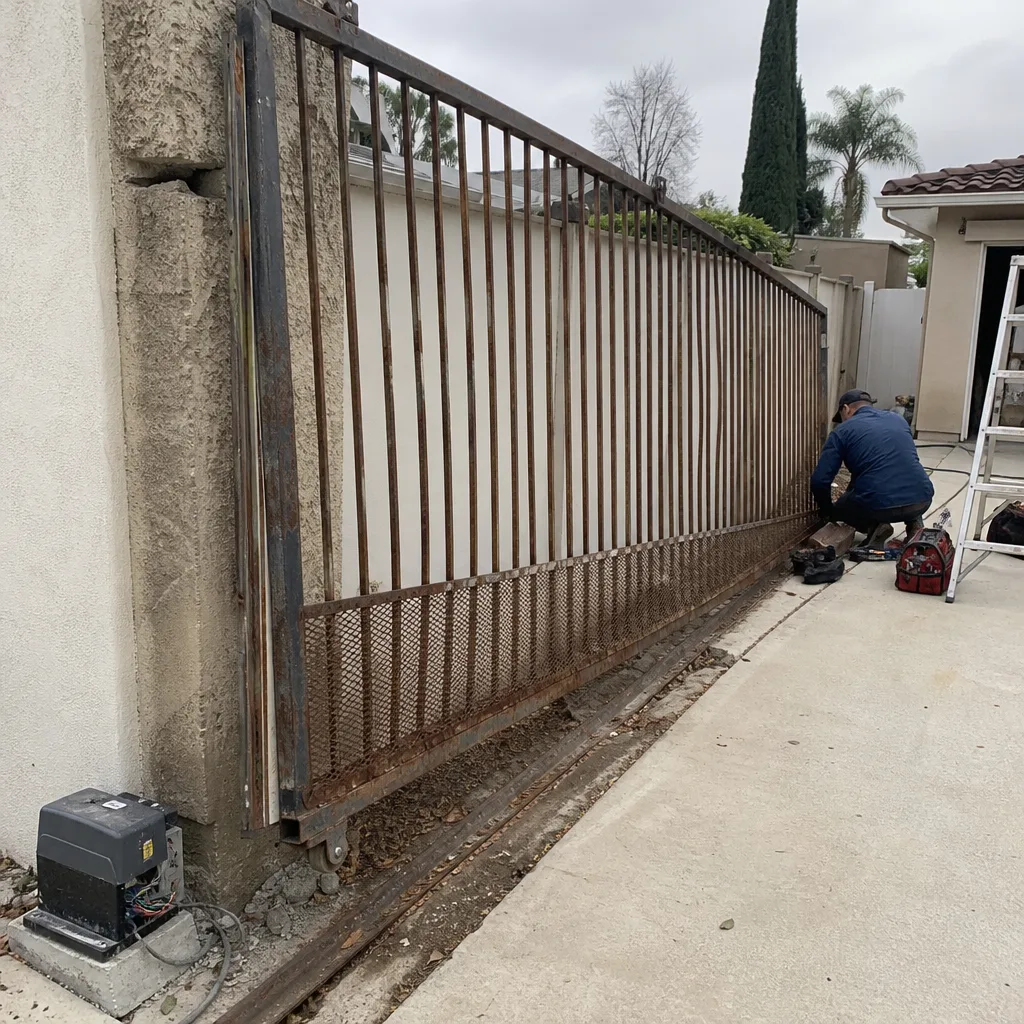 Before
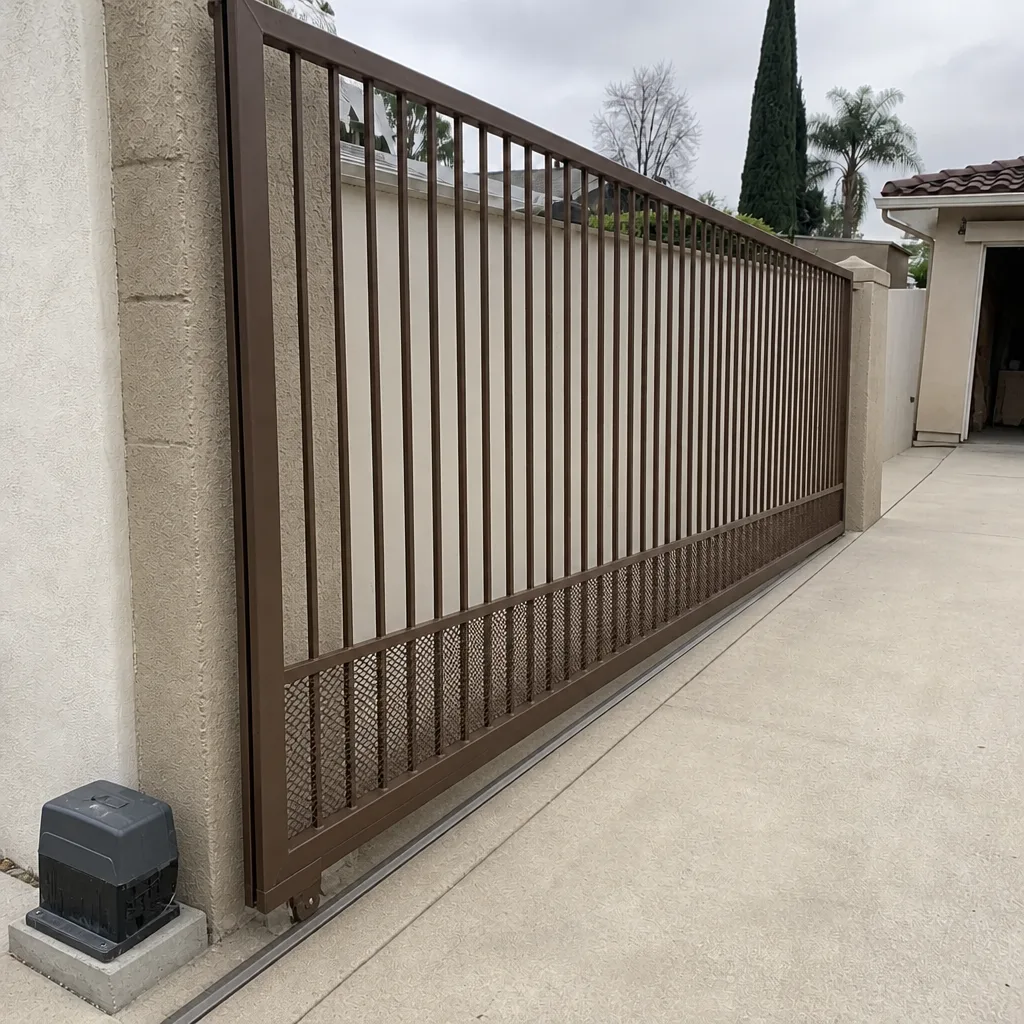 After
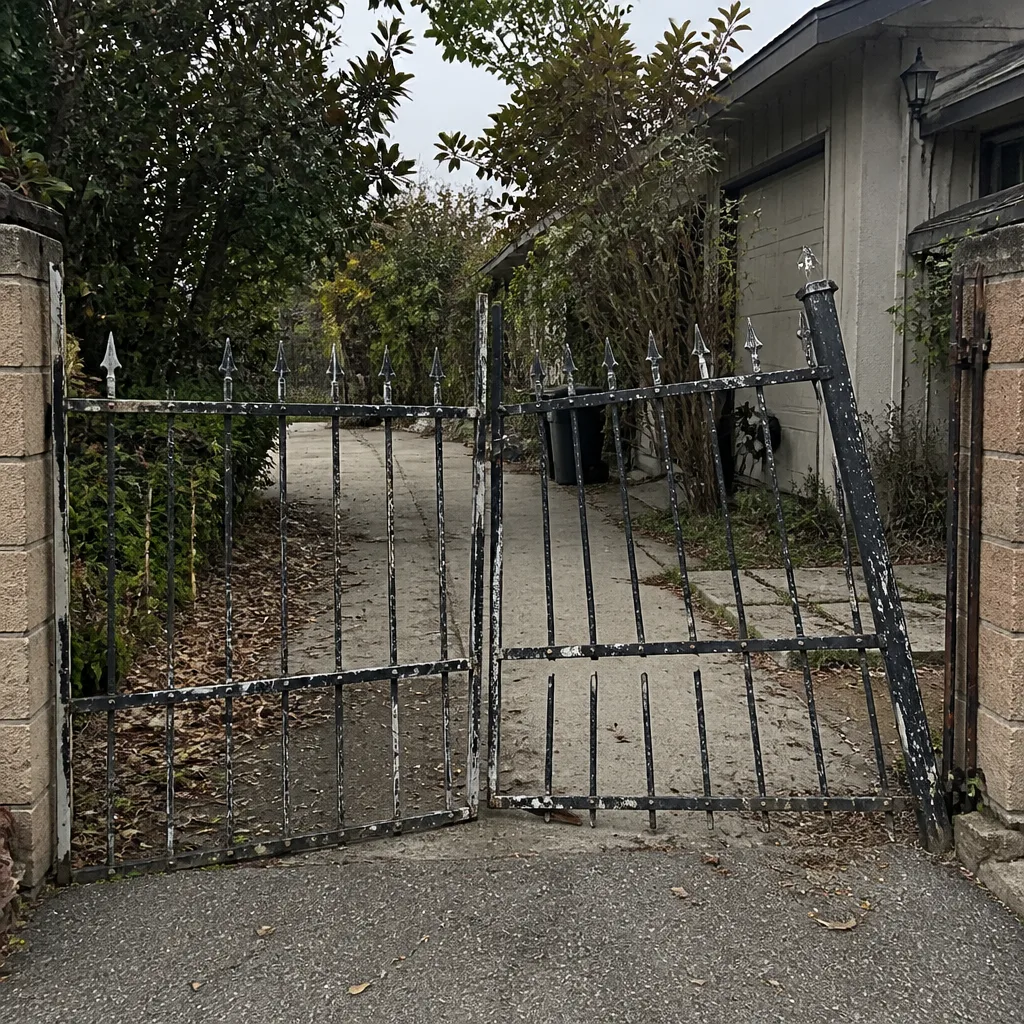 Before
 After
 Before
 After