
Last updated November 4, 2026
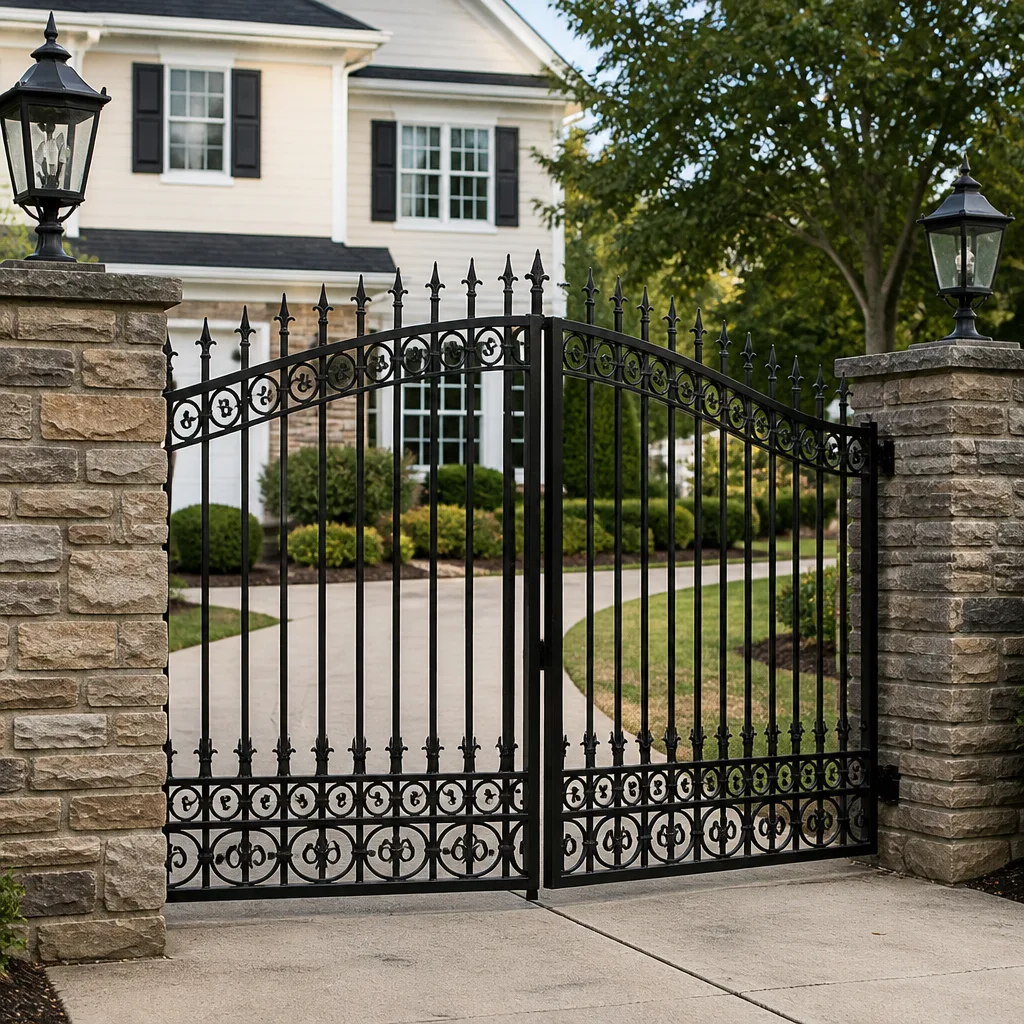 Wrought iron
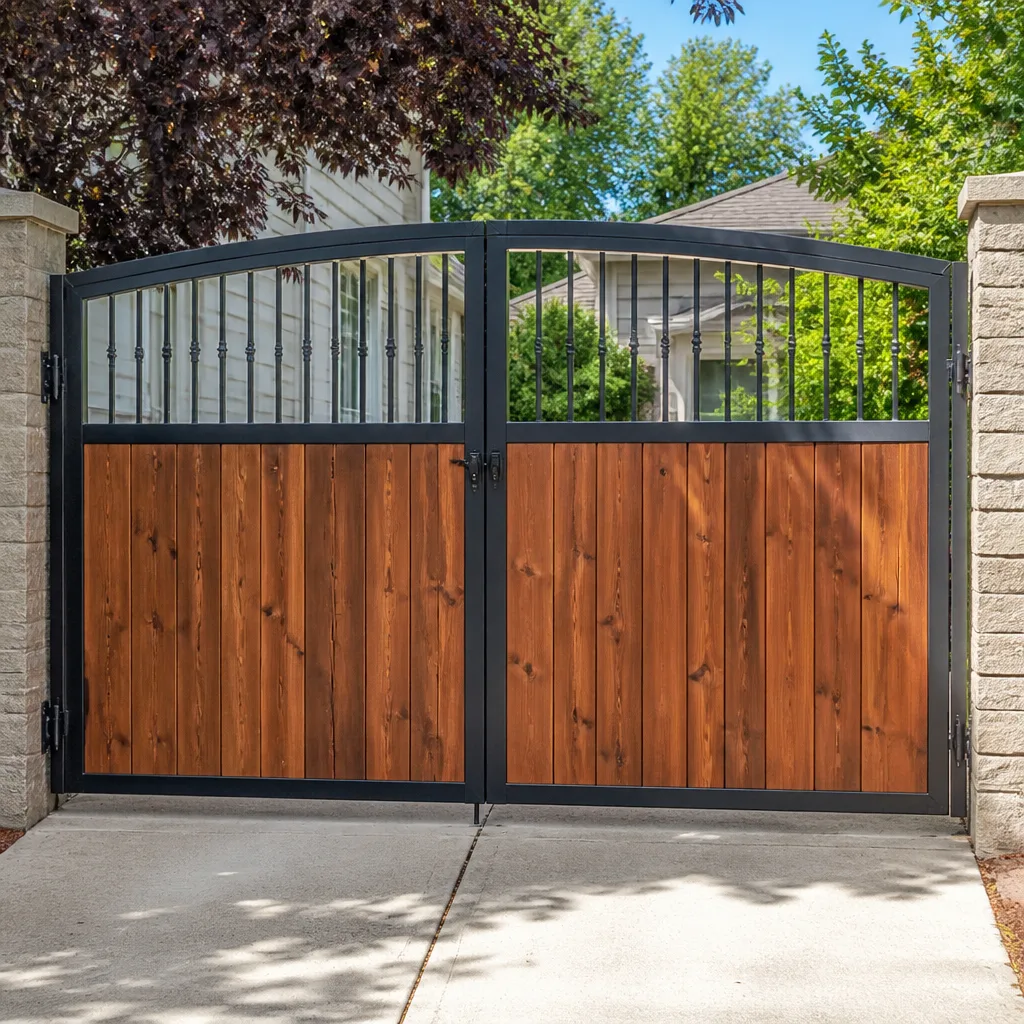 Wood & steel frame
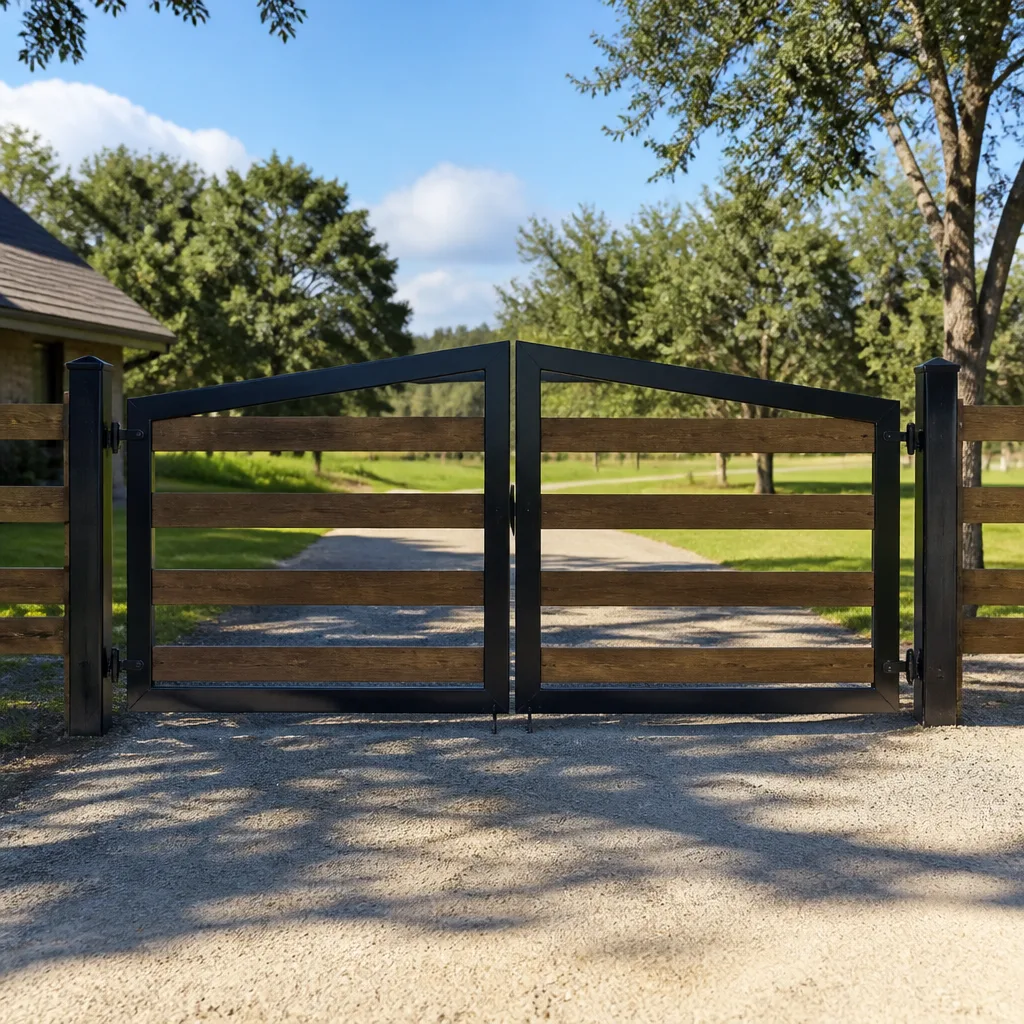 Farm & ranch
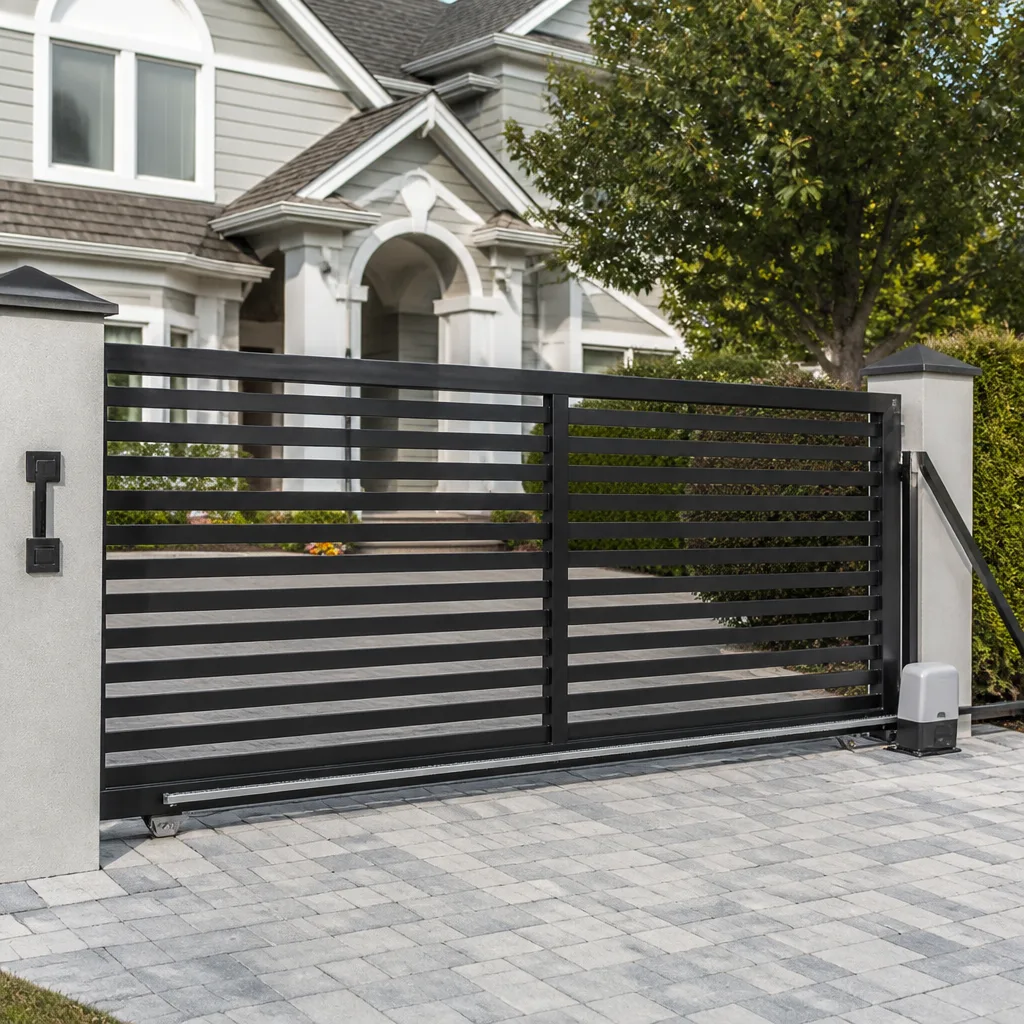 Sliding driveway gates
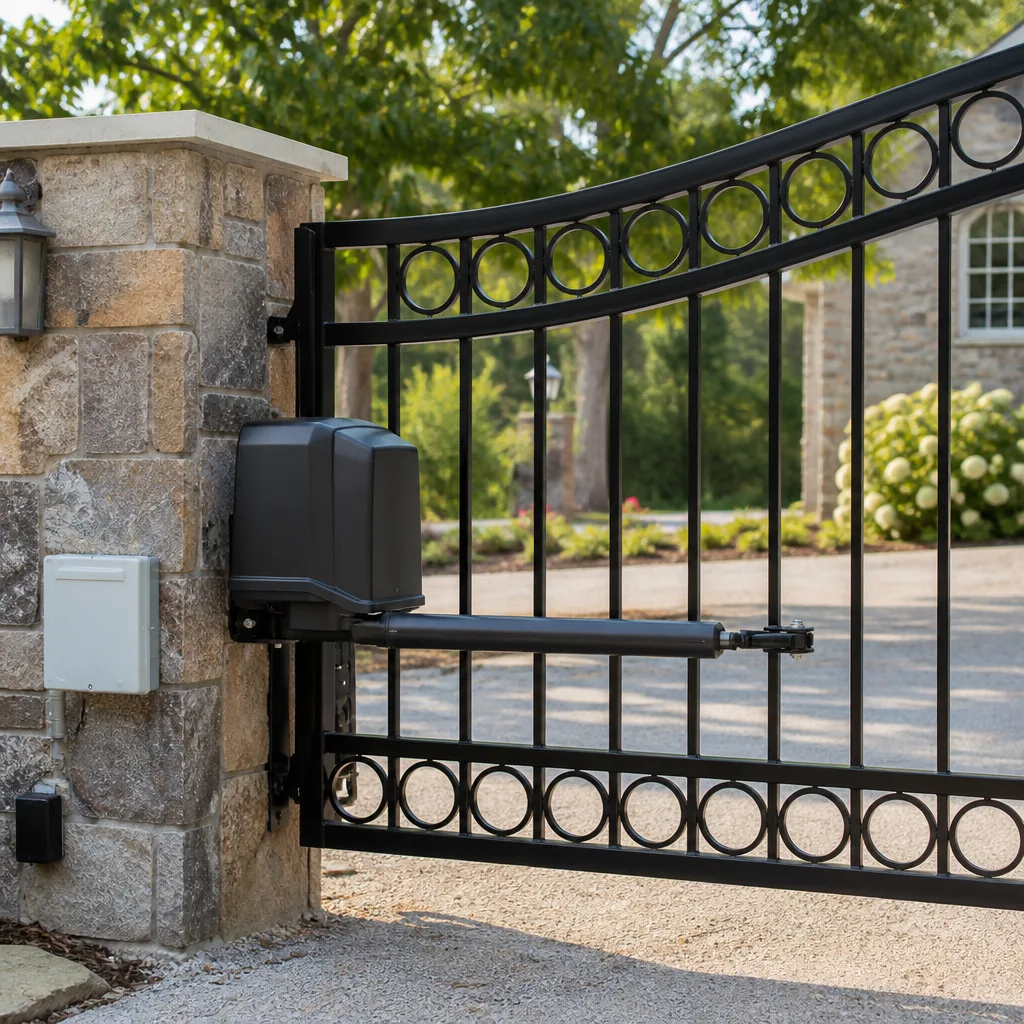 LiftMaster operators
Free on-site gate assessment - hinges, posts, and your LiftMaster or Nice gate operator checked before anything is quoted
The assessment is free and the quote is the invoice.
Get your free estimateThe Complete Guide to Gate Repair in Yorba Linda
Most gate failures in Yorba Linda don’t happen overnight. A hinge that’s been squeaking for three months, a slide gate that has drifted half an inch off its track every week, a keypad that needs three presses before the gate budges, these are the warnings. The gate usually tells you it’s failing long before it actually stops. What matters is recognizing the signal while the fix is still inexpensive. This guide walks you through the three real root causes of gate failure: hardware fatigue, operator miscommunication, and deferred maintenance. By the end, you’ll know whether you need a part, a recalibration, or a technician. And you’ll know which one before you make the call.
Quick Answer
Gate repair in Yorba Linda usually comes down to one of three things: worn mechanical hardware, an electric operator that has lost its settings or failed outright, or an access control device like a remote or loop detector that stopped communicating. Most mechanical problems, noisy hinges, sagging gates, wheels that bind, are repairable the same day by a gate specialist. Electric problems, dead boards, failed motors, sensors that won’t read, are equally fixable but require a technician who actually knows your operator brand. The fastest way to avoid a small problem becoming a big one is to stop ignoring the noise. Call us at (855) 382-4716 for a free estimate in Yorba Linda. We answer 24/7. Fast dispatch from 7am to 7pm, Sunday through Friday.
Styles & brands we work with
- Wrought iron
- Wood & steel frame
- Farm & ranch
- Sliding driveway gates
- LiftMaster operators
Table of Contents
- Self-Diagnosis: Mechanical, Electrical, or Access Control?
- How Yorba Linda’s Climate Ages a Gate
- Repair vs. Recalibration: The Fix Most Gates Actually Need
- Brand-Specific Failure Patterns: Why Your Gate Brand Matters
- Repair or Replace: The Straight Cost-Per-Year Math
- What You Can Safely Do Yourself, and What You Shouldn’t
- Light-Commercial Gate Repair in Yorba Linda
- What Happens When You Call a Gate Company
Self-Diagnosis: Mechanical, Electrical, or Access Control?
Before you spend a dollar, figure out which system failed. A gate is three separate machines bolted into one: the mechanical frame that hangs and swings or slides, the electric operator that moves it, and the access control that tells the operator when to move. If you call a technician and can say “the motor runs but the gate doesn’t move,” you’ve already saved twenty minutes of diagnosis. If you can say “the gate moves fine manually but won’t respond to the remote,” you’ve saved thirty. Here’s how to sort it yourself.
Mechanical failures: you’ll see it, hear it, or feel it
A mechanical problem announces itself. You’ll hear grinding, screeching, or a rhythmic squeak as the gate travels. You’ll see the gate lean, sag, or catch at the same point every time. You’ll feel resistance if you disengage the operator and push the gate by hand. The usual suspects:
- Worn hinges on swing gates: the gate sags toward the latch side and scrapes the ground or the post.
- Flattened or split rollers on slide gates: the gate shudders or stalls partway through its travel.
- Bent or misaligned track: the gate runs fine for ten feet, then binds.
- Loose post hardware: the entire gate assembly shifts slightly with every cycle.
These are the repairs that benefit most from a gate repair specialist who sees the same failure patterns every week. A general handyman can sometimes replace a hinge. Diagnosing why that hinge wore out, and whether the post has shifted in Yorba Linda’s dry soil, is the difference between a one-year fix and a five-year fix.
Electrical failures: the operator is confused, dead, or fighting itself
Electric electric gate repair problems generally fall into one of three groups. The operator gets no power at all. The operator receives power but does nothing when triggered. Or the operator triggers but behaves erratically: reverses mid-cycle, stops early, or runs at half its normal speed. Here’s what to check before you call:
- No power: check the breaker, then check the operator’s own fuse. If both are fine and the unit is dead, the control board may have failed or a power surge may have cooked the transformer.
- Power but no respond: usually a board fault, a disconnected safety input, or a wiring break between the operator and the access control device.
- Erratic behavior: force settings or limit switches that have drifted out of calibration. The operator isn’t broken; it’s lost its reference points.
Electric gate repair is one of our core services. We work on LiftMaster, FAAC, BFT, Linear, Viking, Ghost Controls, DoorKing, Elite, and Mighty Mule operators, and we diagnose them differently because each brand thinks differently. A board that shows a “force error” on a Linear operator means something entirely different than the same code on a BFT. The brand matters.
Access control failures: the operator is fine, the command never arrives
If the gate’s motor runs when you push the manual override, the problem is in the command chain, not the operator. The chain runs: remote or keypad or loop detector, then receiver, then wiring, then the operator’s terminal strip. Common breaks:
- Remote works intermittently: weak battery, dying receiver, or antenna interference. If it works from ten feet but not twenty, suspect the receiver antenna.
- Keypad works sometimes: worn contacts, or codes that were accidently cleared from the receiver memory.
- Vehicle loop detector fails to trigger: a wire broken underground, often from dry soil shift in Yorba Linda moving the loop slightly over time.
Access control problems are frequently misdiagnosed as operator failures. The gate company shows up, sees the motor won’t trigger, and replaces a board that was never bad. We start by testing the command chain from the receiver back. It saves you paying for parts that don’t fix the problem. Call (855) 382-4716 and describe exactly when the gate misbehaves, every time, once a day, after rain, after a hot afternoon. That pattern is the diagnostic.
How Yorba Linda’s Climate Ages a Gate
Yorba Linda has a specific climate, and it punishes gates in specific ways. The summers are hot and dry, the afternoons can top 100 degrees for stretches in August and September, and the soil is dry and clay-heavy in many neighborhoods. These conditions produce three failure patterns we see more often here than almost anywhere else.
Heat-expanded aluminum frames
Aluminum is the most common gate frame material in Yorba Linda, and aluminum expands when it’s hot. A black aluminum gate in direct August sun can get hot enough to burn a bare hand, and that heat changes the metal’s dimensions by a visible amount. A gate that clears the post at 7am with an inch to spare can bind against the post at 3pm with nothing to spare. If your gate scrapes or catches only in the afternoon, the frame isn’t broken. It’s expanding. The fix is typically adjusting the clearance and hinge positions for the highest expected temperature, not the lowest.
UV-degraded wiring insulation
Direct sunlight is brutal on insulation here, especially on wiring that was installed without UV-rated conduit. The outer jacket cracks after a few years, then the individual wire insulation cracks, then moisture gets in. The result is a short that trips the operator randomly or a sensor wire that reads intermittently. The confusing part is it can work for days, then fail for an afternoon, then work again. That’s a classic heat-and-moisture short. By the time the problem is visible to a homeowner, the wire casing is often crumbling in your hand. We inspect wiring runs whenever we diagnose an electric fault in Yorba Linda. It’s usually the second thing we check after the board.
Dry-soil gate post shift
Yorba Linda’s soil goes through long dry spells, and clay soil shrinks as it dries out. A gate post set in a concrete-filled hole is anchored in that soil. When the soil around it shrinks and contracts over multiple dry years, the post can tilt, and the gate’s geometry shifts with it. The gate starts to sag toward the latch side, the hinges wear unevenly, and the operator has to work harder on every cycle. This isn’t a seismic event. It’s slow movement measured in fractions of an inch per year. The repair is re-shimming or resetting the affected post, then re-hanging the gate so it sits true again. In our experience, this is the single most overlooked root cause of dead operators in this area. The operator burns itself out working against a gate that no longer hangs straight.
Repair vs. Recalibration: The Fix Most Gates Actually Need
The most common service call we receive is a homeowner who believes their gate is broken because it stops halfway, reverses for no reason, or won’t close all the way. The gate moved fine for years. Now it doesn’t. The instinct is to assume a part failed. The reality, in a large share of cases, is the operator’s settings have drifted and it needs recalibration, not repair.
What “recalibration” actually means
- Limit switches: the operator needs to know exactly where “fully open” and “fully closed” are. If those reference points drift, the gate stops at the wrong position.
- Force settings: the operator needs to know how much resistance is normal. If it’s set too low, the gate reverses every time. Too high, and it slams or fails to reverse when it meets a real obstruction.
- Speed and delay settings: some operators are programmed for a gentle start and stop. If those parameters get reset, the gate jerks or slams.
A technician with brand-specific knowledge can often correct these settings in under an hour. The gate never needed a part. The problem is, many generalist companies don’t carry the diagnostic tooling or the brand-specific programming knowledge to reset a FAAC board versus a DoorKing board versus a LiftMaster board, so they misdiagnose the problem as a failed board and quote a replacement. The board was fine. This is exactly why we call ourselves gate-only specialists. Electric gate repair is one of our core services, and we carry parts and knowledge for LiftMaster, FAAC, BFT, Linear, Viking, Ghost Controls, DoorKing, Elite, and Mighty Mule. When you need a part replaced, we replace it. When you just need a setting adjusted, we adjust it and charge you for the adjustment, not the part.
Brand-Specific Failure Patterns: Why Your Gate Brand Matters
Here’s something you won’t get from a generic gate company: operator brands don’t fail the same way. Each manufacturer’s engineering decisions create predictable failure patterns. If you know the brand, you can narrow the diagnosis before you even open the cover. That’s why we lead with the brands we work on. It saves you time and money.
Linear operators
Linear has been a workhorse brand in Southern California for decades. The most common failure we see on older Linear operators in Yorba Linda is limit switch drift, often accelerated by heat. The gear and motor assemblies are stout, but the control electronics are sensitive to power surges, and older boards can lose their programming after a nearby outage or a brownout. When a Linear gate stops exactly halfway or overshoots the close position, we check the limits and the force settings before we touch anything else. Parts for Linear are widely available in this market, which keeps repair costs down.
Viking operators
Viking builds heavy swing and slide operators used on many larger residential and light-commercial gates. Their failure pattern tends toward mechanical wear on the drive gears and the reduction assembly rather than board failure. A Viking operator that whines or grinds on startup is often a gear set that has run dry or worn past tolerance. The boards are relatively robust. We see more Viking motors fail from user-installed accessories, loop detectors wired incorrectly, bad relays, than from spontaneous board death. If your Viking gate sounds like it’s working harder than it used to, don’t wait. The gear replacement is far cheaper than the complete operator replacement it becomes if the wear is ignored.
Ghost Controls and Mighty Mule
These are the two brands we most often see on DIY-installed residential driveway gates. The operators themselves are decent for lighter gates, but the install is where most problems begin. Poorly anchored brackets, undersized power wiring, and skipped safety external inputs all shorten the life of these units. The classic Ghost Controls failure is the operator losing its travel limits and slamming the gate or stopping short. The classic Mighty Mule failure is stripped plastic drive gears from pushing a gate that was too heavy for the rated capacity. Both brands are repairable and serviceable, and we carry parts and knowledge for both, but the first thing we do is verify the mechanical install. A Ghost Controls box attached to a gate that’s 50 pounds over its rating will fail repeatedly no matter how many times we reset it.
DoorKing
DoorKing is the standard on many HOA and apartment complex gates. The operators are built for high cycle counts, and the boards are durable, but the access control side runs on older telecom wiring in a lot of installations, and that wiring ages poorly. A DoorKing that won’t trigger from the call box may be a receiver problem, a loop problem, or a grounding issue, and diagnosing which one requires methodical testing, not parts swapping. We work on DoorKing manual and electric systems for both residential and light-commercial properties in Yorba Linda.
Repair or Replace: The Straight Cost-Per-Year Math
At some point, repairing an old gate becomes more expensive than replacing it. The trick is knowing where that line is before you’ve spent enough on repairs to pay for a new gate twice. Here’s the framework we walk our customers through. It works for any brand.
Take the cost of the proposed repair and divide it by the number of years the repair is likely to last. A $400 hinge and post adjustment on a gate that then runs trouble-free for four years costs $100 per year. A $250 board replacement on an operator that’s also got worn gears, cracked wiring, and a failing receiver may buy you eight months before the next failure. That’s $375 per year, and the gate still doesn’t work reliably.
The replacement calculation is the same. A new gate and operator installed for $6,500, running with basic maintenance for 12 years, costs about $540 per year. The older the gate, the more each repair costs per year, and the more attractive new equipment becomes. A good rule of thumb we use with our customers: if a single repair costs more than half the installed cost of a new gate, and the existing gate is past half its expected life, replacement is the smarter call. You get new hardware, a new warranty, and no accumulated fatigue from a decade of Yorba Linda summers.
The hard part is being honest about expected life. Most well-built steel or aluminum gates in this climate should last 15 to 20 years with occasional hardware replacement. Most operators should last 8 to 12 years if properly sized and maintained. If your gate is past those ceilings and the repair estimate is climbing, we’ll tell you. The price is set per job by the written estimate, and we will always show you the numbers before any work starts.
What You Can Safely Do Yourself, and What You Shouldn’t
We’re not going to tell you every gate repair needs a technician. Some jobs are homeowner-appropriate. Others are genuinely dangerous. The line between the two is where the weight of the gate meets electricity. Here’s a straight division.
Reasonable homeowner tasks
- Cleaning the track and rollers: slide gates collect debris. Clearing it out and wiping the track with a dry cloth is routine.
- Lubricating hinges and rollers: a silicone or lithium spray on the pivot points, twice a year, does more to extend mechanical life than any other single habit.
- Replacing remote batteries: if your remote works from ten feet but not thirty, the battery is dead. Change it.
- Tightening exposed bolts: if you can see a bolt that’s clearly loose and the gate is disengaged, snug it up. Don’t force it.
Leave these to a technician
- Any electric operator wiring: the operator runs on 110V or 220V. Opening the cover and probing around carries real shock risk. Call a technician.
- Heavy gate panel removal: a swing gate panel can weigh several hundred pounds. The most common serious injury scenario we know of is a homeowner who unbolted a gate and tried to catch it. Don’t.
- Slide gate track work: if the gate has come off the track or the track needs to be reset, the gate has to be safely supported before any bolt is loosened. A slide gate that tips can crush a person.
- Operator gear replacement: opening the gearbox releases shaft tension and a bound gear set can snap. This is a trained-professional job.
We’re a Gate Repair Yorba Linda company. If you’ve started a job and the gate is hanging loose, disengaged, or sparking, call us. We answer 24/7. Fast dispatch from 7am to 7pm, Sunday through Friday. A gate that’s half-taken-apart is more dangerous than a gate that’s simply broken.
Light-Commercial Gate Repair in Yorba Linda
Yorba Linda has a mix of residential neighborhoods and smaller multi-unit properties, HOA access gates, office driveways, condo entry gates, and small industrial lots. These gates live a harder life than residential gates. They cycle dozens of times a day instead of four or five, and they’re operated by people who don’t own them, which means they get treated worse.
Light-commercial gates are where operator brand knowledge matters most. A DoorKing or BFT operator on a 40-unit condo property cycles enough to wear out a residential-grade gear set in months. The failure usually shows up as premature motor death or a board that melts a relay from the cycle load. The fix is correctly speccing the replacement parts, not just swapping in whatever fits. We work on residential driveway gates and light-commercial access systems alike. From residential driveways to multi-unit properties, the diagnosis is the same: figure out what the gate was designed to do, figure out what it’s actually being asked to do, and close the gap with the right hardware.
A note for HOAs and property managers: we work on LiftMaster, FAAC, BFT, Linear, Viking, Ghost Controls, DoorKing, Elite, and Mighty Mule. We carry parts and knowledge for DoorKing and BFT specifically because they’re so common in this area’s multi-unit access points. If your gate is down and residents can’t get in, you’re not waiting on a general contractor to “swing by.” Call (855) 382-4716 and tell us the brand on the operator cover. We’ll know what questions to ask next.
What Happens When You Call a Gate Company
If you’ve never hired a gate repair company before, here’s the sequence you should expect from us, and the sequence to insist on from anyone you hire.
- The phone call: we ask what the gate is doing, what brand the operator is, how old the system is roughly, and whether the problem is constant or intermittent. Your answers shape the visit. We answer 24/7. Fast dispatch from 7am to 7pm, Sunday through Friday.
- The on-site estimate: a technician arrives, disengages the operator, tests the gate by hand, tests the operator with the gate disengaged, then tests them together. You get a written price before we do any work. The estimate is free.
- The diagnosis and the price: we explain what failed, why it failed, what a repair costs, and what the cost-per-year math looks like versus replacement. You decide. The price is quoted and agreed BEFORE any work starts.
- The repair: most mechanical repairs and many electric repairs are done on the spot, same day. If parts have to be ordered, we tell you before you approve anything.
- The follow-through: after the repair, your price doesn’t change. You get the same price you approved. That’s the point of the written estimate.
We don’t charge for showing up to look. We don’t bury fees in fine print. We show you the number, you approve it, and the work gets done. That’s how a gate-only specialist should operate.
Common Mistakes to Avoid
- Ignoring a new noise for months. A squeak is the sound of metal wearing metal. By the time the squeak becomes a grind, the cheap hinge replacement has become an expensive gate rebuild. Yorba Linda’s dry summers make unlubricated metal wear faster, not slower.
- Adjusting the force setting yourself to “just get it working”. High force settings are how a gate crushes a car bumper or worse. The force setting exists to sense an obstruction. If your gate keeps reversing, raising the force is the wrong fix and a genuine safety hazard.
- Replacing the remote before testing the receiver. Intermittent remote response is far more often a dying receiver or a bad antenna connection than a dead remote. We’ve seen homeowners buy three remotes in a year when the receiver board was the problem all along.
- Hiring a general handyman for an electric fault. Gate operators use brand-specific control boards. A generalist who “does gates sometimes” is guessing. We diagnose by brand-specific logic, not guesswork, and we work on all nine major brands: LiftMaster, FAAC, BFT, Linear, Viking, Ghost Controls, DoorKing, Elite, and Mighty Mule.
- Assuming an old gate is grandfathered in permittable condition. Most cities have rules about gate installation and setbacks. Check with Yorba Linda’s building department before ordering a replacement gate. The company that installs it should be able to talk permits with you.
- Skipping the obvious power check before calling. A tripped GFCI or breaker kills more gate calls than you’d think. Before you dial, check the breaker, the operator’s own power switch, and any external kill switch. If those are on and the gate is still dead, call us.
See the difference
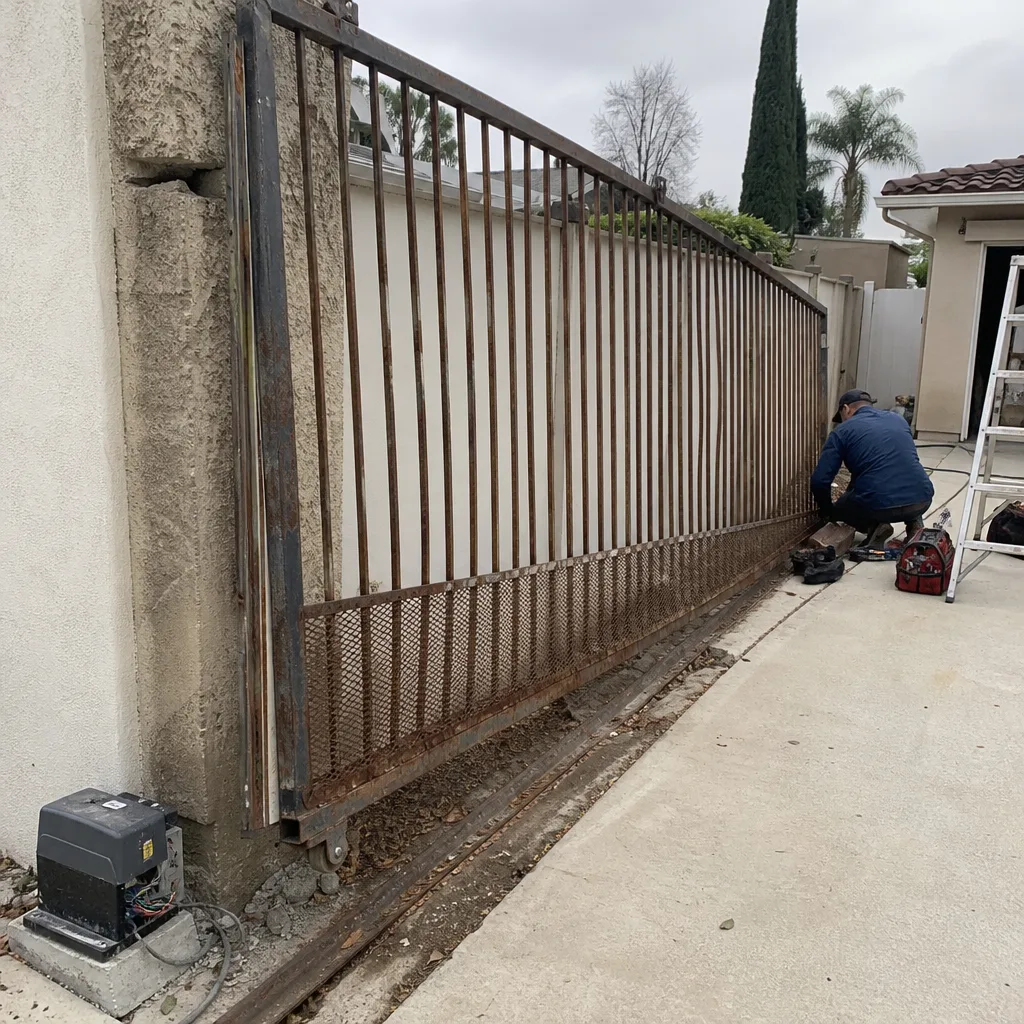 Before
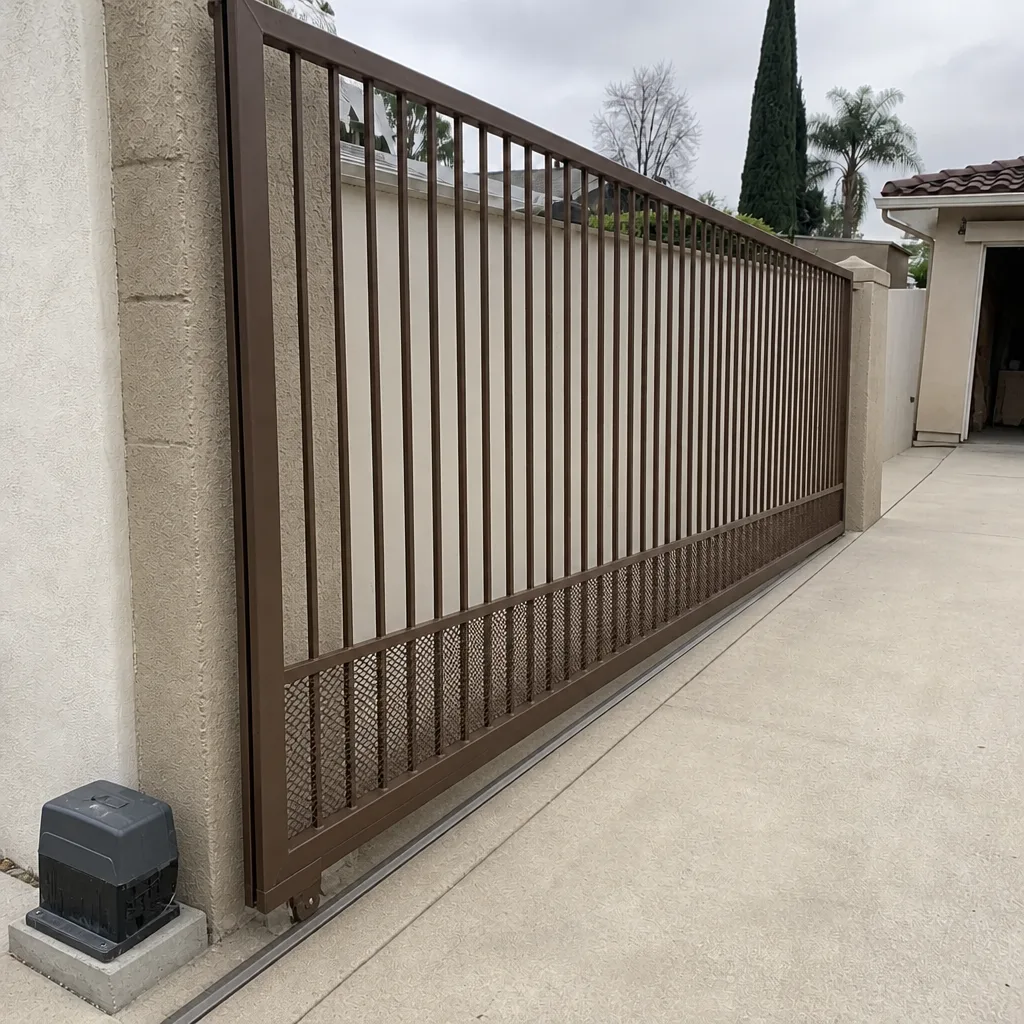 After
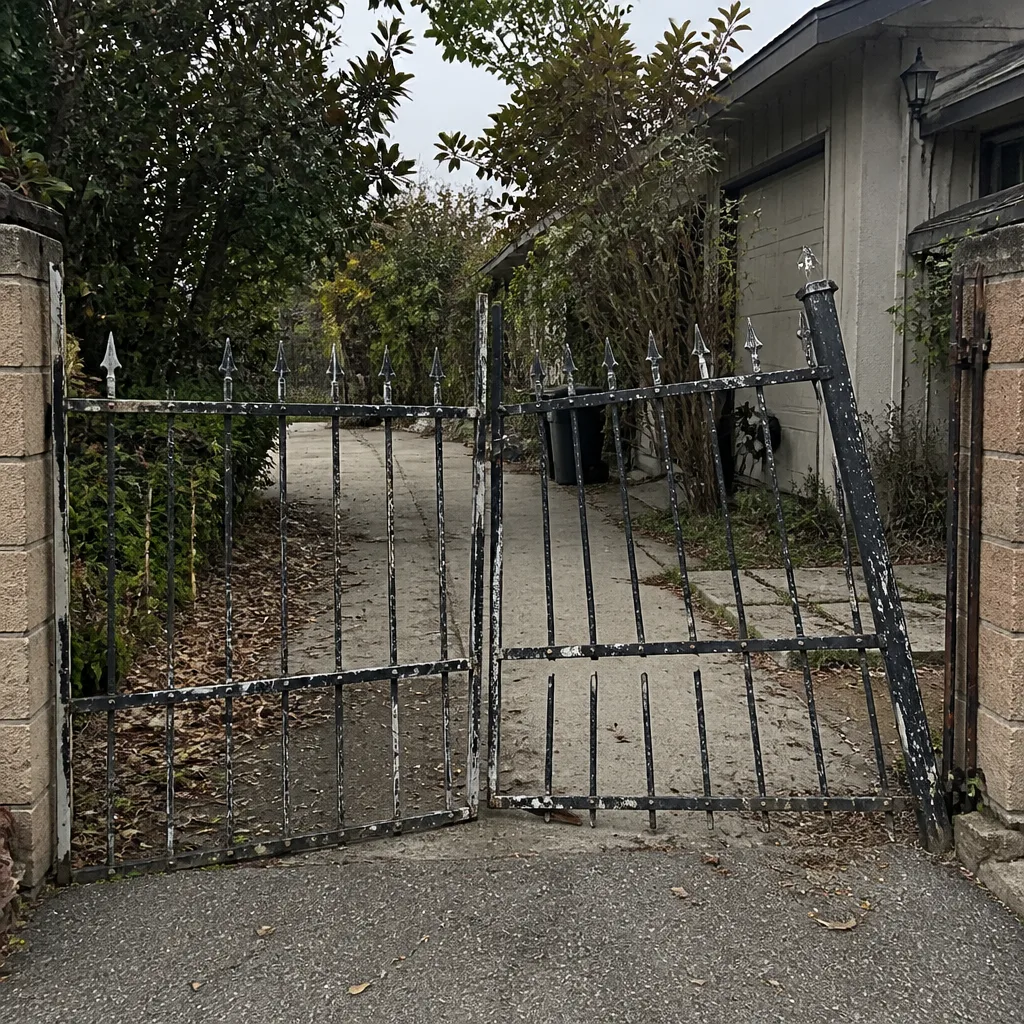 Before
 After
 Before
 After
When to Call a Professional
Call a professional when the gate is heavy and moving unpredictably, whenever electricity is involved, and whenever you’ve tried the simple fixes and the gate still misbehaves. If the gate has come off its track, if the operator sparks, if the gate reverses into a vehicle, or if the keypad stops accepting codes, don’t guess. A gate that fails under power can damage cars, injure people, and leave your property exposed. Gate Repair Yorba Linda offers free estimates in Yorba Linda, call (855) 382-4716. We answer 24/7. Fast dispatch from 7am to 7pm, Sunday through Friday.
Frequently Asked Questions
Gate repair in Yorba Linda typically ranges from $150 for a simple sensor adjustment to $900 or more for a new operator board or motor, with the most common repair, a hinge and alignment job, usually landing between $250 and $500. The price is always set per job by the written estimate, and the estimate is free. We quote the price before any work starts. Call (855) 382-4716 for an exact quote on your gate.
Yes, in most cases. Mechanical repairs and many electric diagnoses are done the same day in Yorba Linda. Fast dispatch from 7am to 7pm, Sunday through Friday. We answer 24/7, so call (855) 382-4716 and tell us what the gate is doing. If we can get there today, we will.
We work on LiftMaster, FAAC, BFT, Linear, Viking, Ghost Controls, DoorKing, Elite, and Mighty Mule. Those nine brands cover the vast majority of residential and light-commercial gates installed in Yorba Linda. If your operator cover has a different brand on it, call us. We’ll tell you honestly whether it’s something we service.
That’s usually heat expansion, and it’s the most common seasonal failure pattern in Yorba Linda. In the afternoon, the aluminum frame has expanded and it drags or binds somewhere. The fix is adjusting the clearances and limit settings for the hottest part of the day, not just the morning. It’s a simple correction once the cause is identified.
Yes. We install new gates, manual and electric, for residential driveways and light-commercial properties. If your old gate has reached the point where repairs cost more per year than a new gate, we’ll show you the math and a written price. From residential driveways to multi-unit properties, we handle the full gate lifecycle.
Yes. We service light-commercial access systems across Yorba Linda, including HOA entry gates and small multi-unit properties. We carry parts and knowledge for DoorKing, BFT, and FAAC, which are common in this area’s access points. Call (855) 382-4716 and have the operator brand ready.
The Bottom Line
Most gate failures in Yorba Linda trace back to hardware fatigue, operator miscommunication, or deferred maintenance. Hardware fatigue shows up as noise and sag, operator miscommunication as erratic behavior and lost settings, and deferred maintenance as small problems that grew expensive. The fix isn’t always a new part. Frequently it’s a recalibration, a clearance adjustment, or a worn hinge caught before it broke something else. What matters is acting on the warning signs before the gate stops completely. If your gate is making noise, moving oddly, or eating remotes, call a gate specialist who knows your brand. Call (855) 382-4716. We answer 24/7. Fast dispatch from 7am to 7pm, Sunday through Friday. The estimate is free and the price is set before any work begins.
Written by the team at Gate Repair Yorba Linda, serving Yorba Linda since 2011.